Escaped youth tracked by Eagle helicopter, found hiding in New Brighton
The young person who escaped from a youth justice facility in Rolleston has been located...

The young person who escaped from a youth justice facility in Rolleston has been located...
A person has been seriously injured on State Highway 75, Christchurch Akaroa Road. A police...

BodyFix Gym Christchurch in Phillipstown has taken out two major honours at the Exercise New...
Local MPs have found areas of agreement on major Resource Management Act reforms, during a...
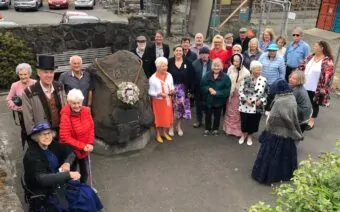
A series of public events have been organised across Christchurch and Lyttelton over the coming...
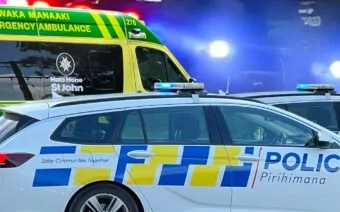
A woman was taken to hospital after a ‘water incident’ at Parakiore Recreation and Sport...
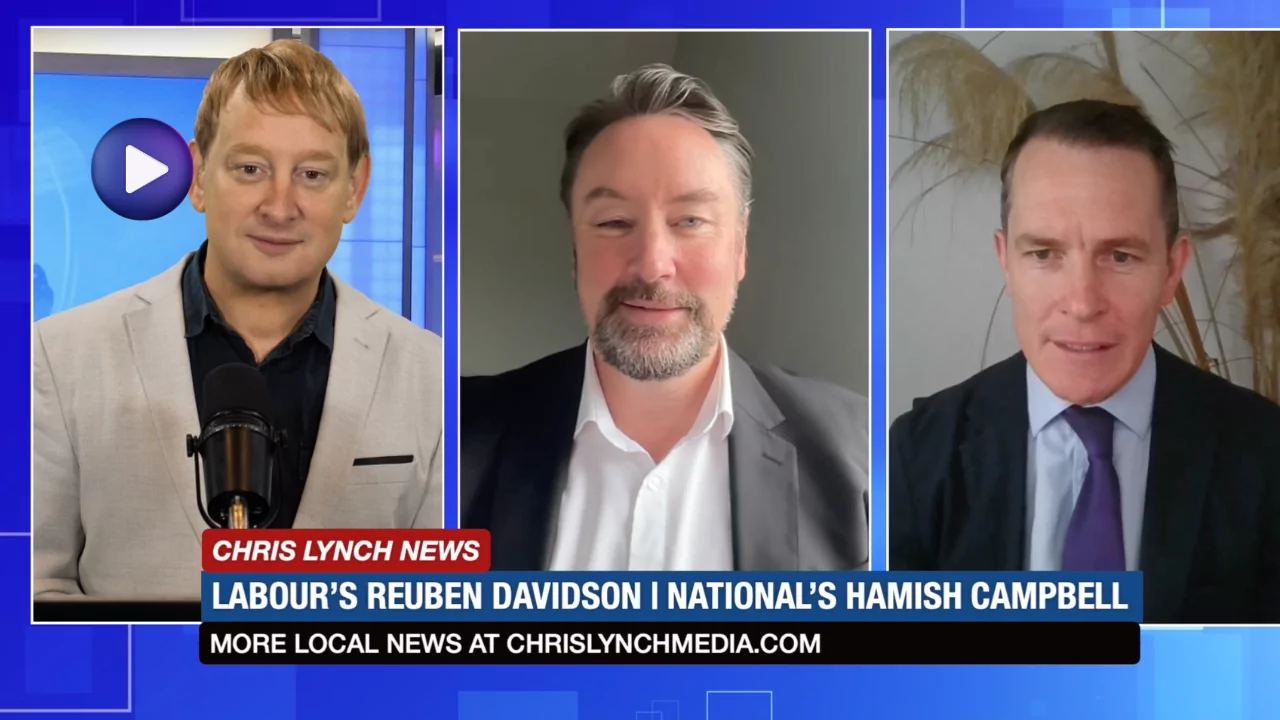
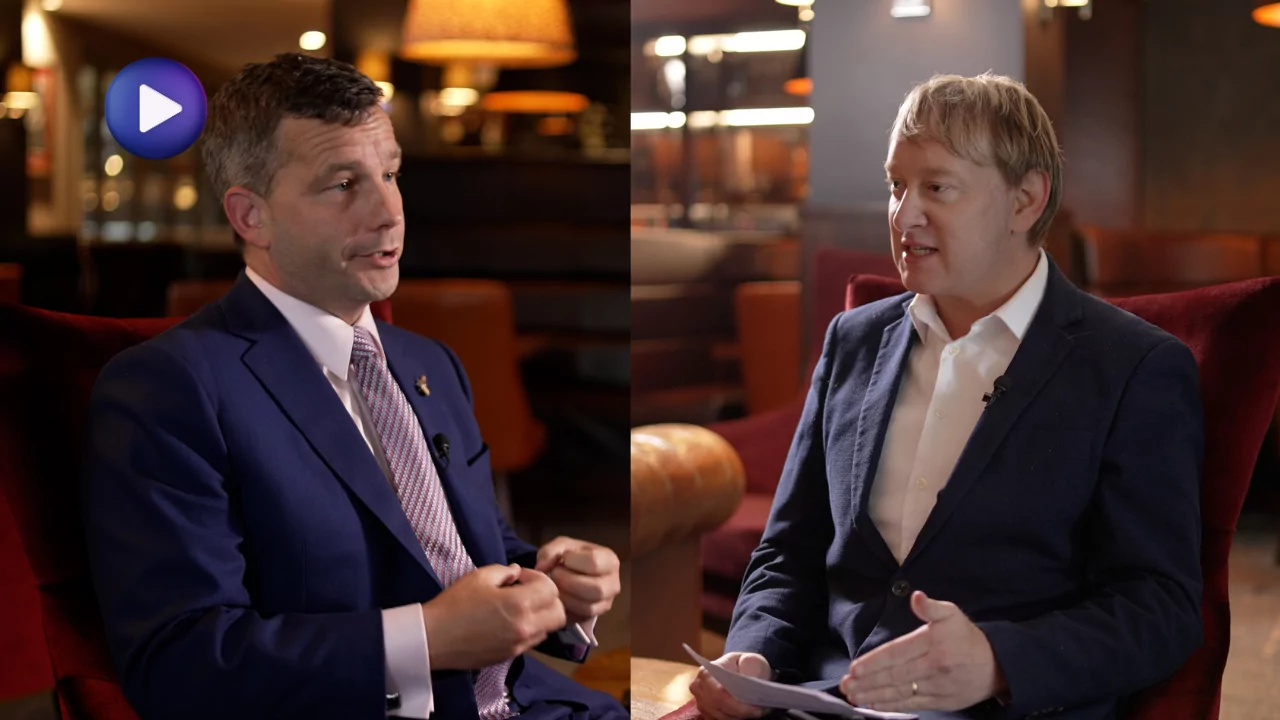
National and Labour MPs have weighed in on Health New Zealand’s abandoned hospital parking proposal, agreeing the plan needed rethinking but differing on whether charging fees was ever justified.
The proposal would have seen patients, staff and visitors charged commercial rates for parking at public hospitals. Consultation was due to close on 18 February, but the policy was withdrawn early.
National MP Matt Doocey said he understood why the proposal raised concern.
“Quite rightly, a hospital needs to deliver safe and secure car parking. That needs to be accessible. And when we have cost of living pressures, quite rightly, people don’t want to see an additional charge,” Doocey said.
“But on saying that, the money’s got to come from somewhere.”
He said some people might prefer a user pays system rather than taking funding from other parts of the health budget and supported pausing the consultation to reconsider the approach.
“I think it’s about getting that balance right,” he said.
Labour MP Tracey McLellan also said access to hospitals was important but argued staff should not shoulder additional costs.
“We do need car parks. It’s important that people can have good access to health services and hospitals, but not on the back of workers,” McLellan said.
“This is what happens when the government puts departments and agencies under pressure, and they go scraping around for half baked ideas to make their budgets add up.”
The discussion touched on whether charging could help manage demand for limited parking spaces. Doocey said many Christchurch workers already paid for parking and suggested funding had to be considered in the wider health context.
McLellan said the business case involved charging commercial level rates similar to the central city and defended union opposition to the plan.
“Remember, unions are organisations that are made up of workers. So it is their job to advocate for ordinary people going to work every day,” she said.
The panel also discussed New Zealand’s drop to fourth place on the Corruption Perceptions Index.
Doocey said the country should remain vigilant.
“I think we should be concerned,” he said. “We are the fourth least corrupt country out of 182 on that table. There is a lot that we can take great pride in, but we shouldn’t be complacent or arrogant about it.”
McLellan said recent findings from the anti corruption taskforce were troubling and warned there could be more misconduct uncovered.
“It’s not good,” she said. “The report also suggests that it’s a bit of a tip of the iceberg and that there could be a lot more uncovered.”
She criticised funding reductions to the Serious Fraud Office and said prevention and detection efforts should be strengthened.
Doocey rejected that claim, pointing to increased investment in tackling organised crime and foreign interference.
The discussion concluded with debate over Finance Minister Nicola Willis’s planned review of monetary policy decisions during the COVID period.
McLellan questioned the timing ahead of the election.
“You would think if Nicola Willis was very keen to learn more and learn some lessons, she would have called for an inquiry when she first became Minister of Finance,” she said.
Doocey said the review followed changes to the Reserve Bank’s mandate and leadership and was aimed at understanding the long term impact of decisions made during the pandemic.