Escaped youth tracked by Eagle helicopter, found hiding in New Brighton
The young person who escaped from a youth justice facility in Rolleston has been located...
Proudly powered by VAST – NZ’s leading digital advertising billboard company. FIND OUT MORE


The young person who escaped from a youth justice facility in Rolleston has been located...

A person has been seriously injured on State Highway 75, Christchurch Akaroa Road. A police...

BodyFix Gym Christchurch in Phillipstown has taken out two major honours at the Exercise New...
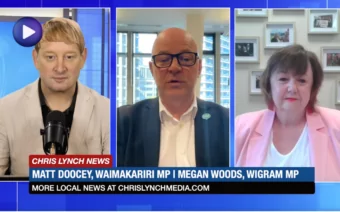
Local MPs have found areas of agreement on major Resource Management Act reforms, during a...

A series of public events have been organised across Christchurch and Lyttelton over the coming...

A woman was taken to hospital after a ‘water incident’ at Parakiore Recreation and Sport...
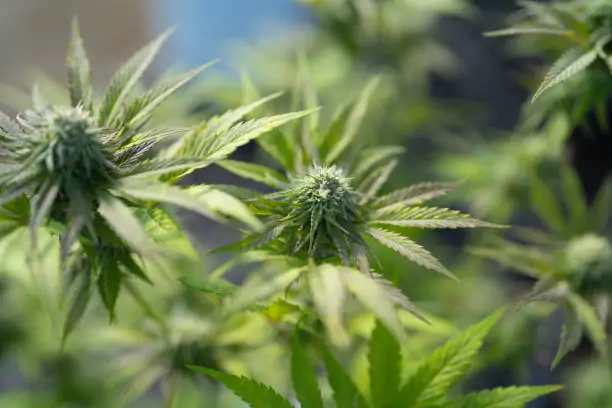
The Government has announced a sweeping reform of industrial hemp regulations, with Regulation Minister David Seymour saying the sector will finally be freed from “outdated, heavy-handed rules” that have constrained growth for nearly two decades.
Cabinet has agreed to scrap the current licensing regime for industrial hemp and replace it with what Seymour describes as a more practical, proportionate system.
He said the existing rules have treated low-THC hemp “like high-risk drugs,” despite the crop’s established use in food, oil, fibre and health products.
According to Government estimates, the changes are expected to deliver a net present value benefit of $7.5 million over the next 10 years, increasing to about $41 million over 20 years as the market expands. Seymour said reducing red tape would lower costs and give growers and investors greater certainty.
The reform is part of a wider regulatory push, with Seymour citing peer-reviewed analysis showing the Ministry for Regulation’s work in its first 18 months could generate between $223 million and $337 million in net public benefit, from around $20 million in expenditure.
Under the new settings, licences will no longer be required to grow or handle industrial hemp, provided crops contain less than 1% THC.
Growers will need to notify both Police and MPI before planting, and hemp biomass, including flowers and leaves, may be supplied to licensed medicinal cannabis producers under strict conditions.
Existing food safety and medicinal cannabis rules will remain in place.
Seymour said the changes will introduce necessary safeguards while removing “absurd” barriers that have unnecessarily burdened the sector. He argued that if the Regulatory Standards Act had been in place when hemp rules were first created, the disproportionate costs of the old system would have been clear.
The Ministry of Health will lead implementation, drafting the new regulatory framework alongside the Parliamentary Counsel Office.
Seymour said the reform reflects the Government’s broader commitment to improving how laws are made and ensuring regulation does not “tax growth” in a high-cost economy.