Escaped youth tracked by Eagle helicopter, found hiding in New Brighton
The young person who escaped from a youth justice facility in Rolleston has been located...
Proudly powered by VAST – NZ’s leading digital advertising billboard company. FIND OUT MORE

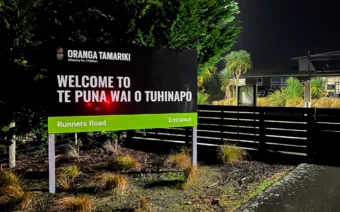
The young person who escaped from a youth justice facility in Rolleston has been located...
A person has been seriously injured on State Highway 75, Christchurch Akaroa Road. A police...

BodyFix Gym Christchurch in Phillipstown has taken out two major honours at the Exercise New...
Local MPs have found areas of agreement on major Resource Management Act reforms, during a...

A series of public events have been organised across Christchurch and Lyttelton over the coming...

A woman was taken to hospital after a ‘water incident’ at Parakiore Recreation and Sport...

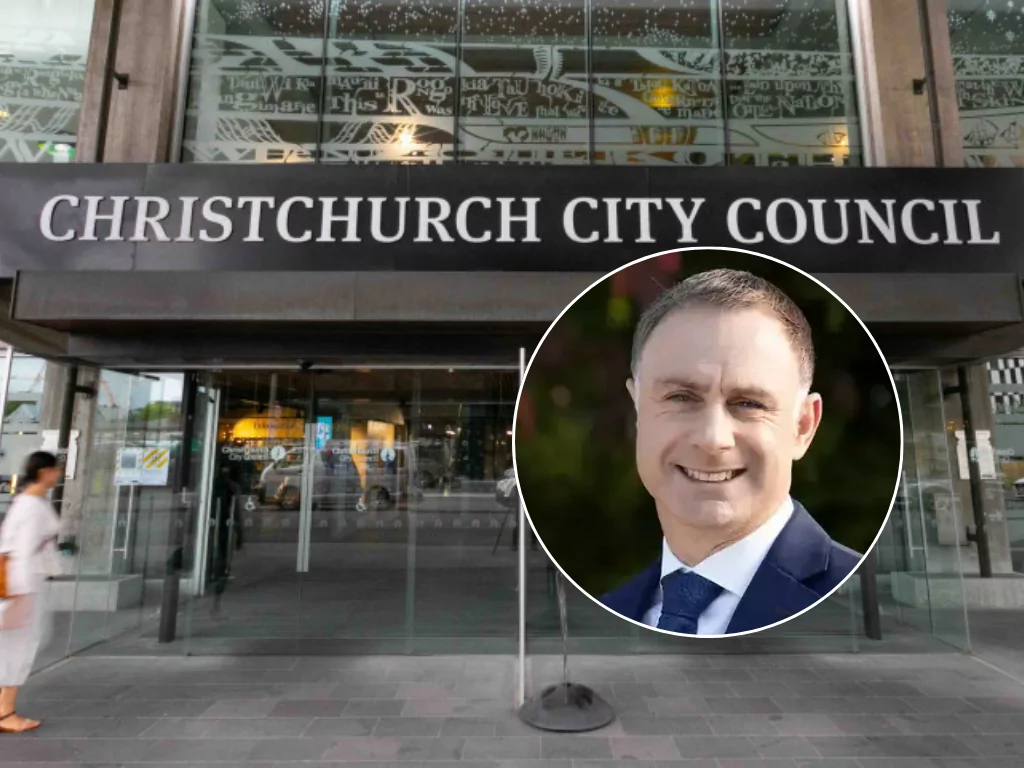
The Government has announced plans to introduce a national rates cap, saying the move has been designed to help councils control rates increases and reduce pressure on household budgets.
Local Government Minister Simon Watts said rising rates were becoming unsustainable for many residents, with some communities facing repeated double digit increases.
“Rates are taking up more of household bills, and some communities have faced double digit increases year after year. This is unsustainable and is only adding to the cost of living for many Kiwis,” Watts said.
Under the proposal, annual rates increases would fall within a target range based on long term economic indicators.
Inflation would guide the lower end of the range, while GDP growth would set the upper limit.
Analysis provided to the Government suggests a target of 2 to 4 per cent per capita each year, meaning councils would not be able to raise rates above 4 per cent without special approval.
Watts said the lower end of the range would ensure essential services such as waste collection, road maintenance and the management of parks and libraries continue to be delivered.
The cap would apply to general rates, targeted rates and uniform annual charges.
It would not apply to water charges or other non rates revenue such as fees and charges.
Councils wanting to exceed the cap would need to apply to a regulator appointed by the Government.
Approval would only be granted in extreme circumstances, such as a natural disaster, and councils would need to show how they planned to return to the target range.
Where councils require additional revenue for major infrastructure or to resolve past underinvestment, applications to the regulator would still be required. Councils would need to justify the increase and outline a path back to the approved range.
Watts said the new framework represented a significant shift for local government and would require a gradual rollout.
A transition period will begin on 1 January 2027, during which councils must factor the impact of the cap into long term plans and report on key financial indicators, including wage costs, rates as a share of local house prices and estimates of infrastructure deficits.
The full regulatory model is expected to take effect by 1 July 2029. However, officials will begin monitoring nationwide rates increases as soon as the legislation is passed, and proposed increases beyond the cap may trigger intervention under the Local Government Act.
“Councils should not wait for the full enactment of the rates capping model before controlling rates increases for their constituents,” Watts said.
Targeted consultation with stakeholders has begun and will run until February 2026. Legislation is expected to be enacted in 2026, taking effect at the start of 2027.