Escaped youth tracked by Eagle helicopter, found hiding in New Brighton
The young person who escaped from a youth justice facility in Rolleston has been located...
Proudly powered by VAST – NZ’s leading digital advertising billboard company. FIND OUT MORE


The young person who escaped from a youth justice facility in Rolleston has been located...

A person has been seriously injured on State Highway 75, Christchurch Akaroa Road. A police...

BodyFix Gym Christchurch in Phillipstown has taken out two major honours at the Exercise New...

Local MPs have found areas of agreement on major Resource Management Act reforms, during a...

A series of public events have been organised across Christchurch and Lyttelton over the coming...

A woman was taken to hospital after a ‘water incident’ at Parakiore Recreation and Sport...
Photo: Brian Greenwood
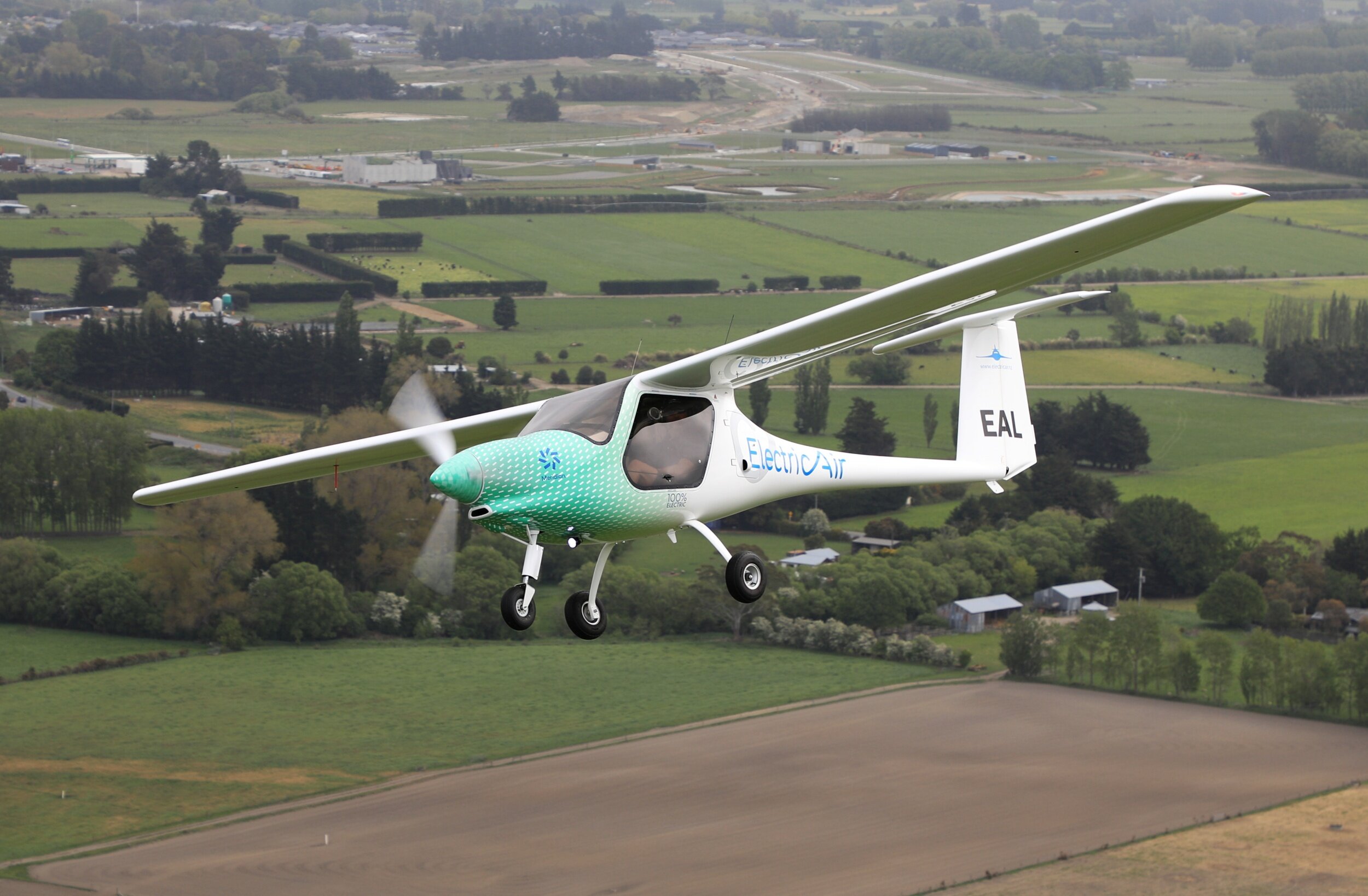
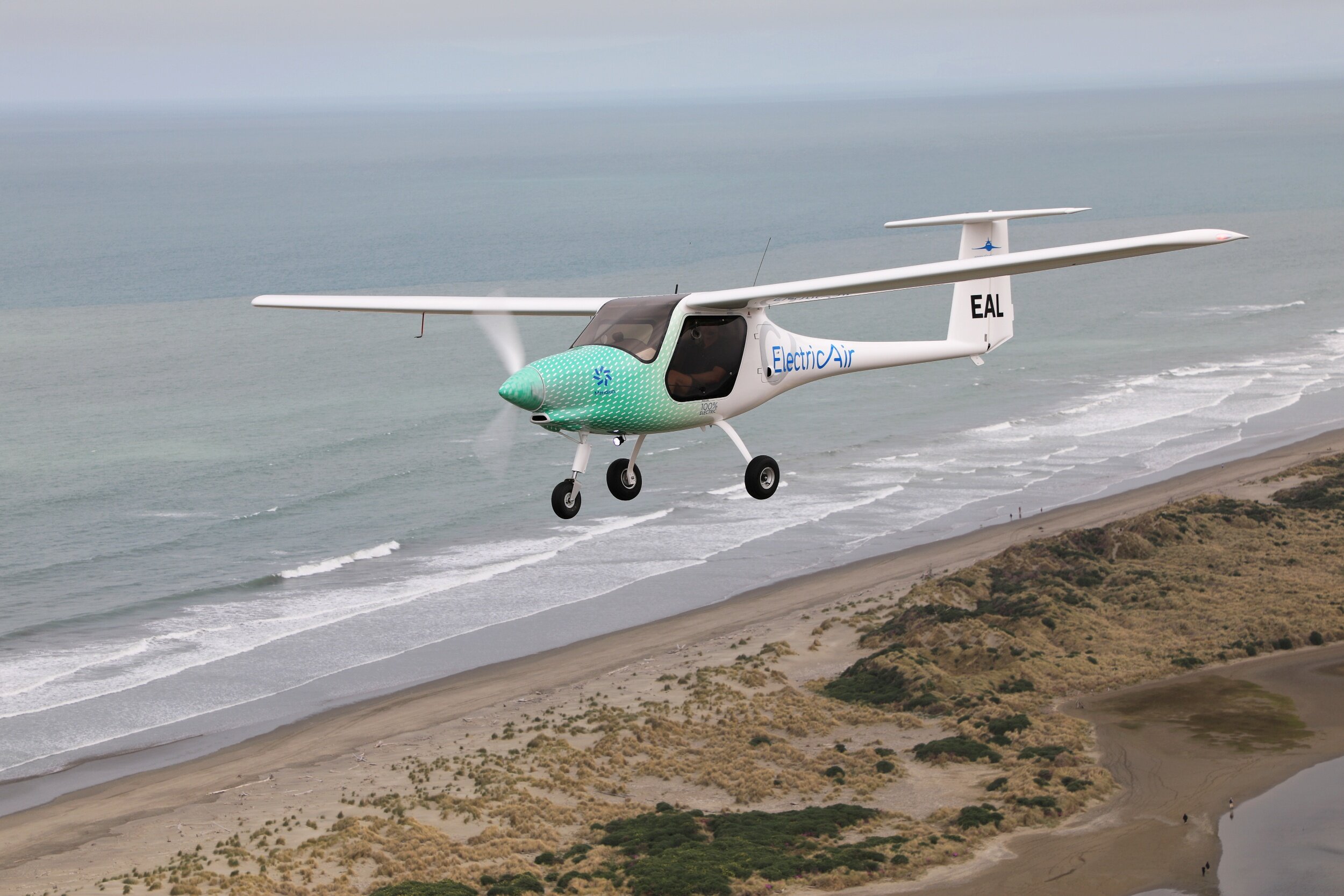
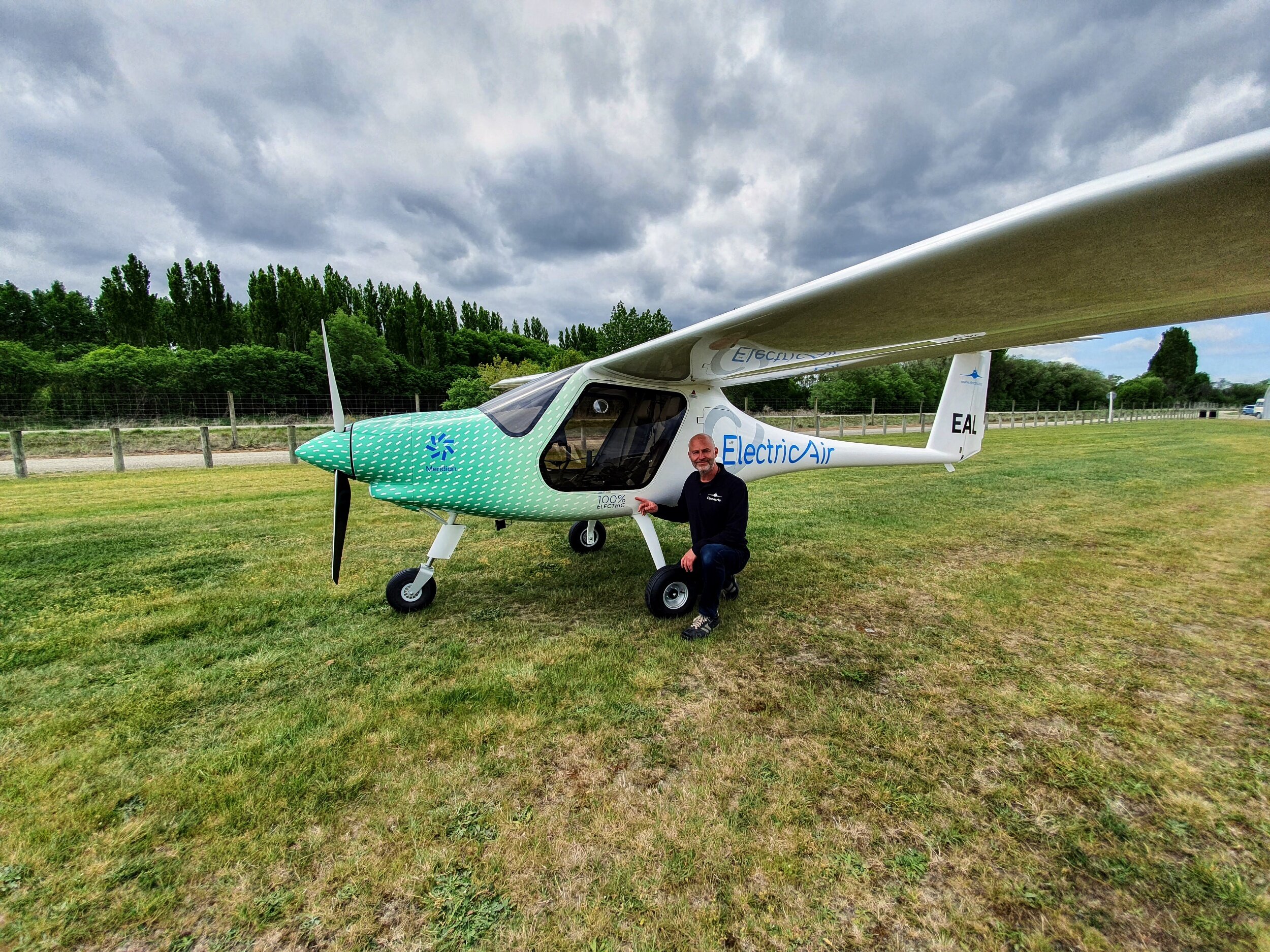
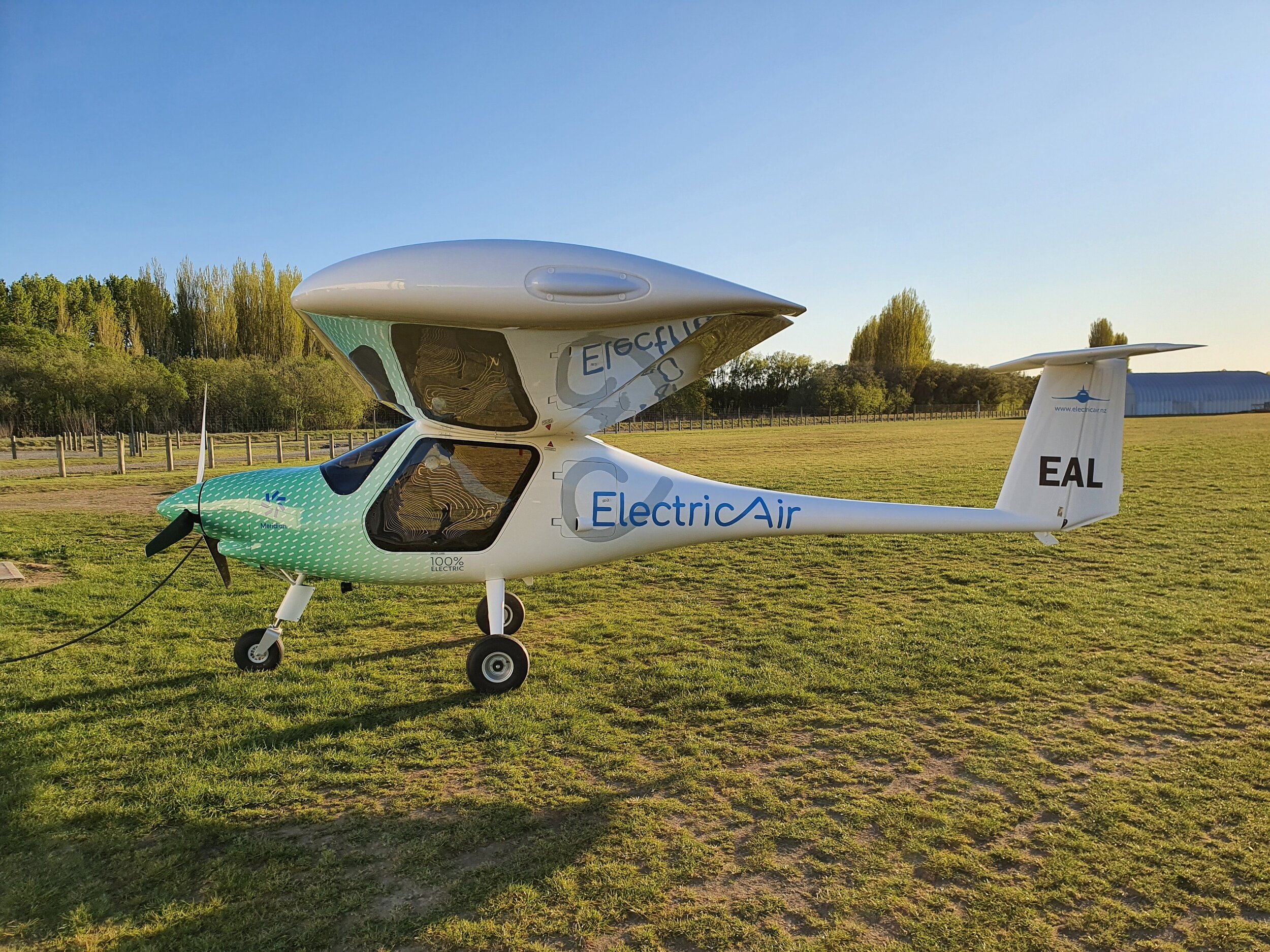
New Zealand’s first electric plane is being officially launched today by Christchurch start-up company ElectricAir.
The plane is a battery electric two-seat light sport aircraft manufactured by Slovenian aircraft company Pipistrel and has begun demonstration flights from Christchurch.
Designed as a training aircraft, it will be available for people wanting to experience oòelectric flight and learn to fly in a more sustainable way.
ElectricAir founder Gary Freedman says the idea to operate New Zealand’s first electric plane began back in 2016.
Photo: Brian Greenwood
“I was driving an electric car but flying a petrol plane. It just wasn’t good enough, so I set out to find a solution. On the pretence of a family holiday in Slovenia, I visited the Pipistrel factory and flew in the Alpha Electro. I was hooked and the rest is history,” Gary says.
The start-up received support from Christchurch City Council’s Innovation and Sustainability Fund and the Christchurch Agency for Energy Trust.
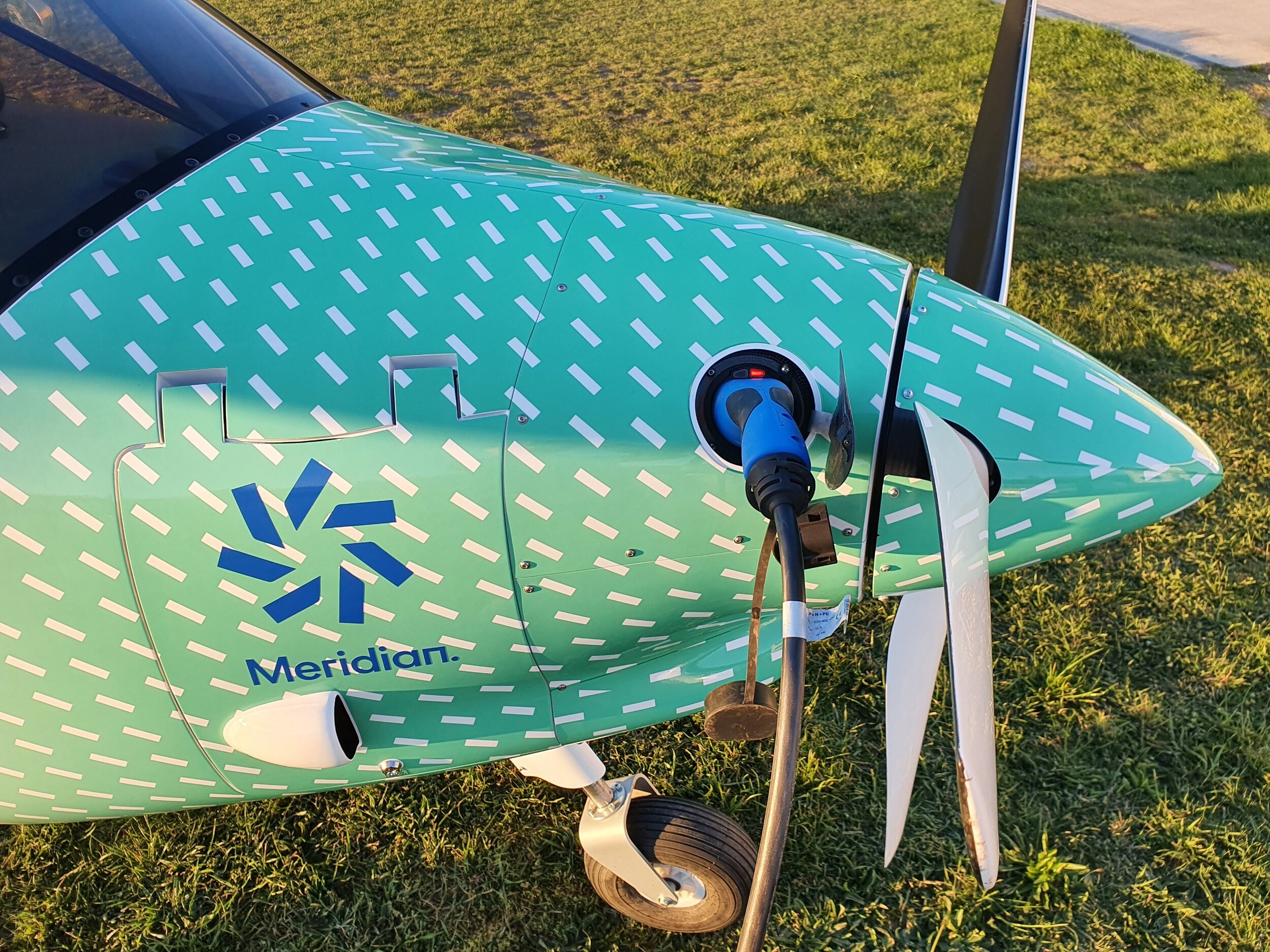
Christchurch Airport has supported the ElectricAir project as another part of its electrification and decarbonisation programme. General Manager of Strategy and Sustainability Rhys Boswell says ElectricAir will be the inaugural user of the newest charging infrastructure.
Airways has also thrown its support behind ElectricAir.
“By supporting Electric Air’s operations in controlled airspace, Airways is continuing to help our aviation community explore innovative ways of reducing carbon emissions and aircraft noise while ensuring aviation safety,” Airways Head of Public Affairs Emily Davies says.
“Getting this venture off the ground would not have been possible without the support of our partners and I want to thank them for being part of this revolution to clean up our skies,” Gary says.
About the Pipistrel Alpha Electro:
The plane’s battery lasts up to 90 minutes and can be recharged in under an hour making it ideal for pilot training
The plane will be charged from a dedicated charging station
Operations will take place from Christchurch Airport and the Rangiora Airfield
The plane is approximately 70% quieter than its fossil-fuelled equivalents
The plane is simple and inexpensive to maintain as there are few moving parts