Escaped youth tracked by Eagle helicopter, found hiding in New Brighton
The young person who escaped from a youth justice facility in Rolleston has been located...
Proudly powered by VAST – NZ’s leading digital advertising billboard company. FIND OUT MORE


The young person who escaped from a youth justice facility in Rolleston has been located...

A person has been seriously injured on State Highway 75, Christchurch Akaroa Road. A police...

BodyFix Gym Christchurch in Phillipstown has taken out two major honours at the Exercise New...

Local MPs have found areas of agreement on major Resource Management Act reforms, during a...

A series of public events have been organised across Christchurch and Lyttelton over the coming...

A woman was taken to hospital after a ‘water incident’ at Parakiore Recreation and Sport...

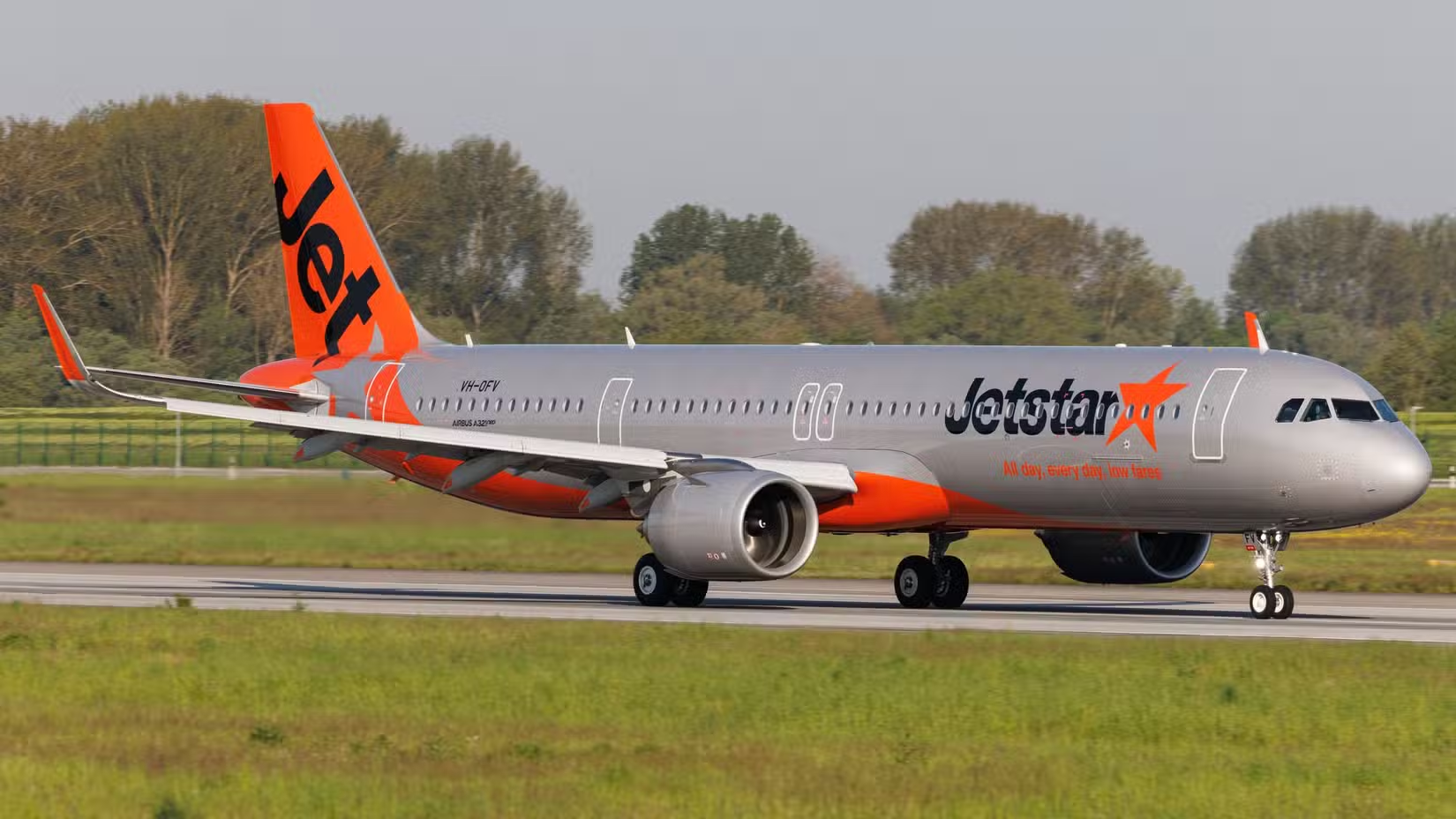
A Jetstar passenger jet veered off a taxiway at Christchurch Airport after a systems failure mid flight, prompting safety changes from both the airline and aircraft manufacturer.
The Transport Accident Investigation Commission released its final report into the incident, which happened on 31 May 2024 during a flight from Auckland.
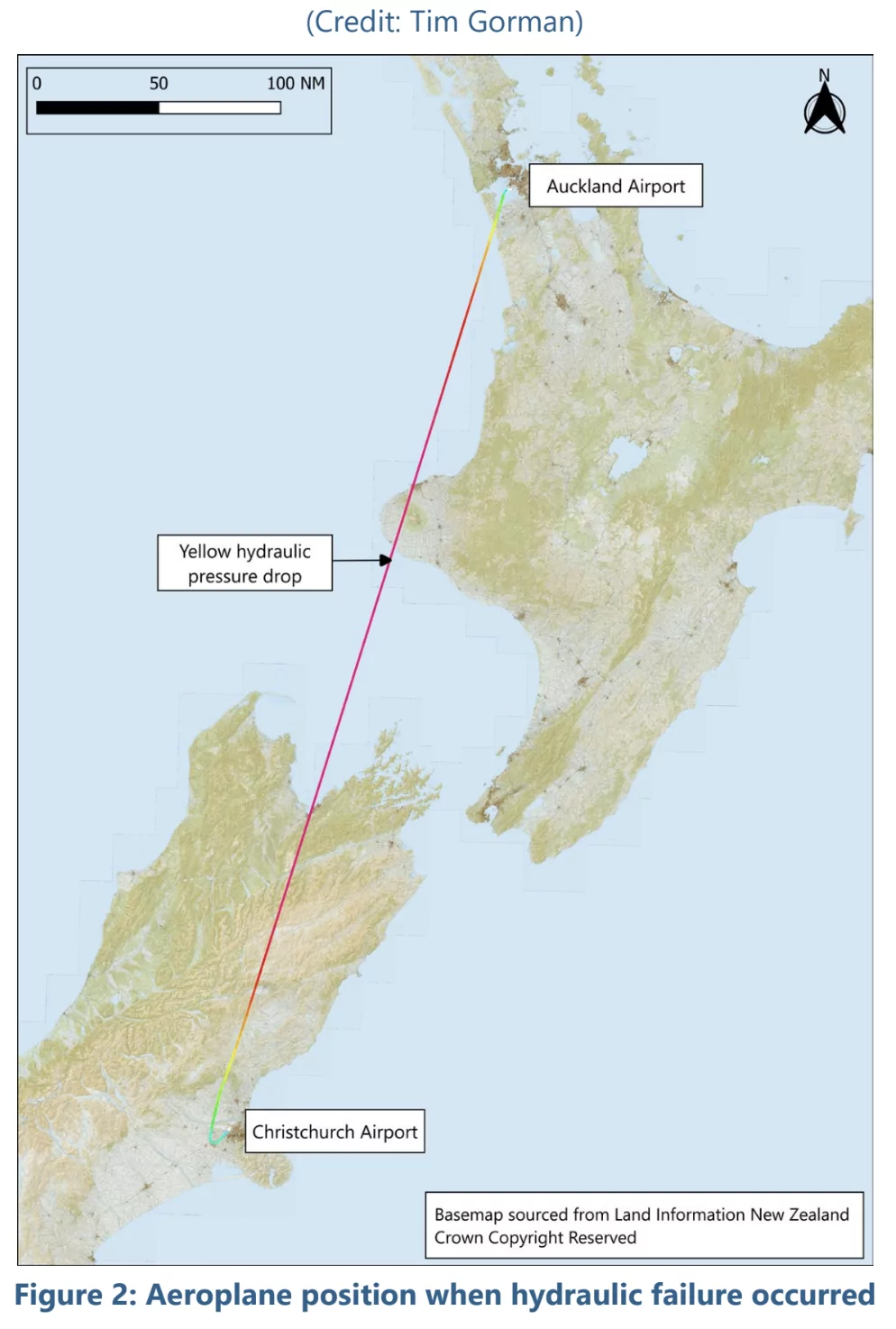
The Airbus A320 suffered a failure in one of its hydraulic systems while in the air, disabling nosewheel steering and the right engine’s reverse thrust capability.
Despite the fault, the flight crew continued to Christchurch and carried out a planned landing using differential braking to steer the aircraft.
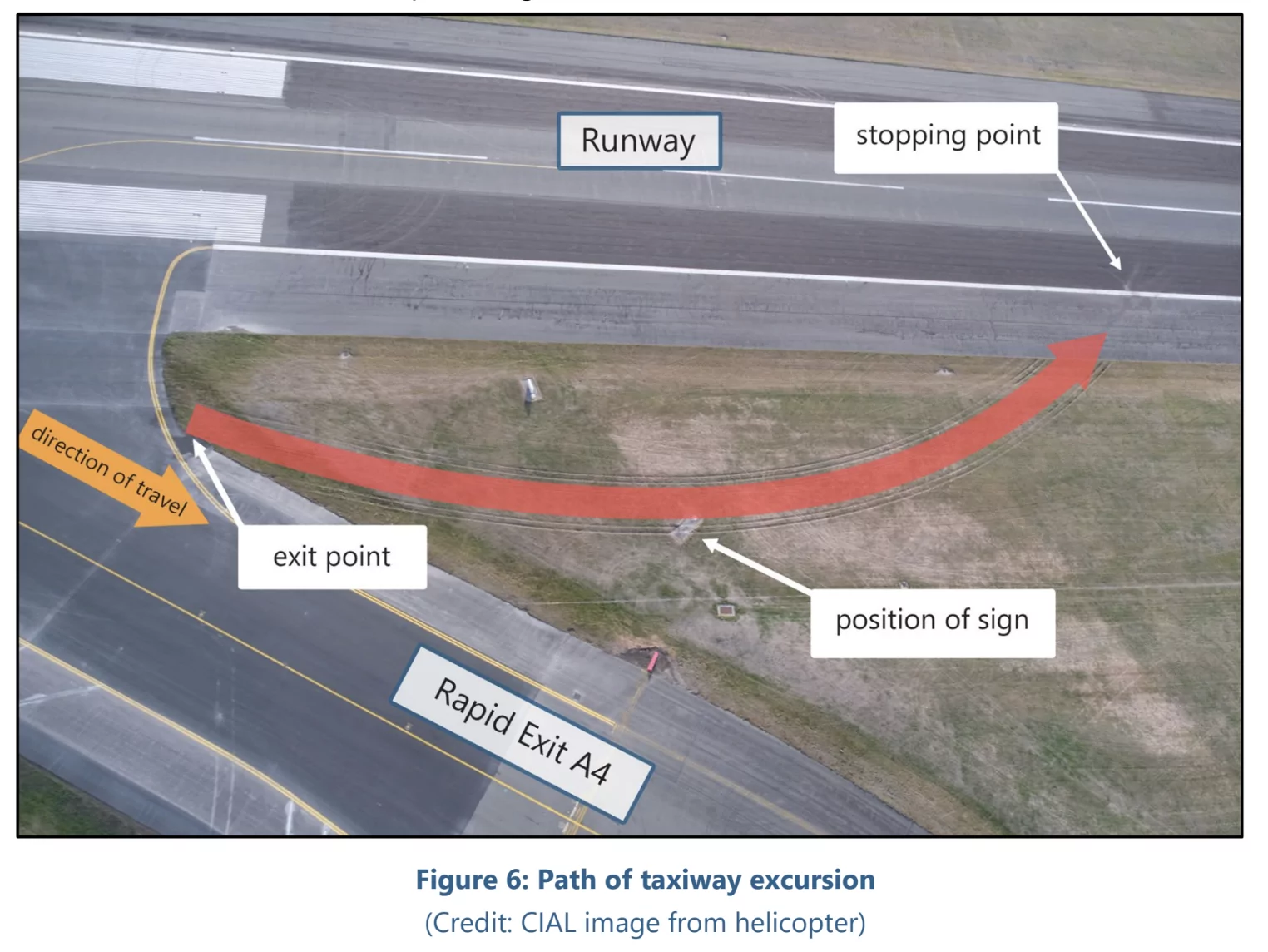
The landing went smoothly, but the aircraft lost directional control while attempting to exit the runway.
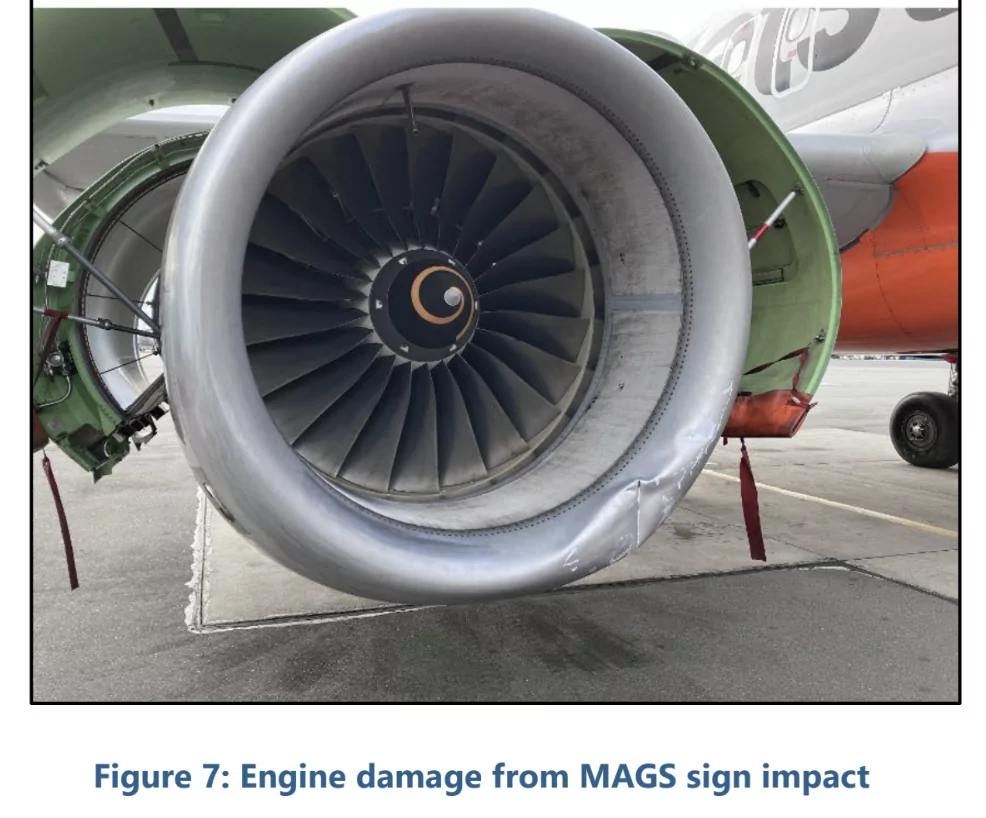
It veered off the taxiway, struck an airfield sign, and travelled across grass before coming to a stop back on the runway.
No one was injured, but the engine sustained significant damage.
Chief Investigator of Accidents Louise Cook said the incident was triggered by an unintended movement of the thrust levers.
“On the face of it, this option appeared safe and achievable to the pilots because Airbus documentation, repeated in Jetstar’s Flight Crew Techniques Manual, provided no guidance on use of differential braking specifically for steering off the runway via a rapid exit.
“The pilots could have planned to stop on the runway and wait for a tow but to avoid blocking the runway and delaying other flights, they opted for the rapid exit they had often used before.
They were likely so focused on making that exit that they missed important cues that the position of the thrust levers was not as intended.
Cook said the captain had accidentally moved the thrust levers into a climb power setting instead of idle, causing the engines to accelerate.
She said the sudden increase in power likely startled the pilot, who reacted by pulling the levers back to maximum reverse.
Because of the hydraulic failure, the left engine produced reverse thrust while the right engine continued to push forward, creating a strong turning force that led the aircraft off course.
The investigation also found a manufacturing issue contributed to the original hydraulic failure.
A titanium hydraulic pipe installed in the aircraft was slightly misshapen and likely damaged during shipping between Airbus facilities in 2015. The defect went undetected and later failed after about 18 months of use.
Following the incident, Jetstar has updated its guidance for pilots dealing with similar failures.
Airbus has accepted a recommendation to revise its manuals and training material to reduce the risk of unintended thrust lever movements. Changes are expected to be introduced in April and May 2026.
The Commission said the case reinforced the importance of thorough inspections of aircraft parts before installation.