Escaped youth tracked by Eagle helicopter, found hiding in New Brighton
The young person who escaped from a youth justice facility in Rolleston has been located...


The young person who escaped from a youth justice facility in Rolleston has been located...

A person has been seriously injured on State Highway 75, Christchurch Akaroa Road. A police...

BodyFix Gym Christchurch in Phillipstown has taken out two major honours at the Exercise New...

Local MPs have found areas of agreement on major Resource Management Act reforms, during a...

A series of public events have been organised across Christchurch and Lyttelton over the coming...

A woman was taken to hospital after a ‘water incident’ at Parakiore Recreation and Sport...

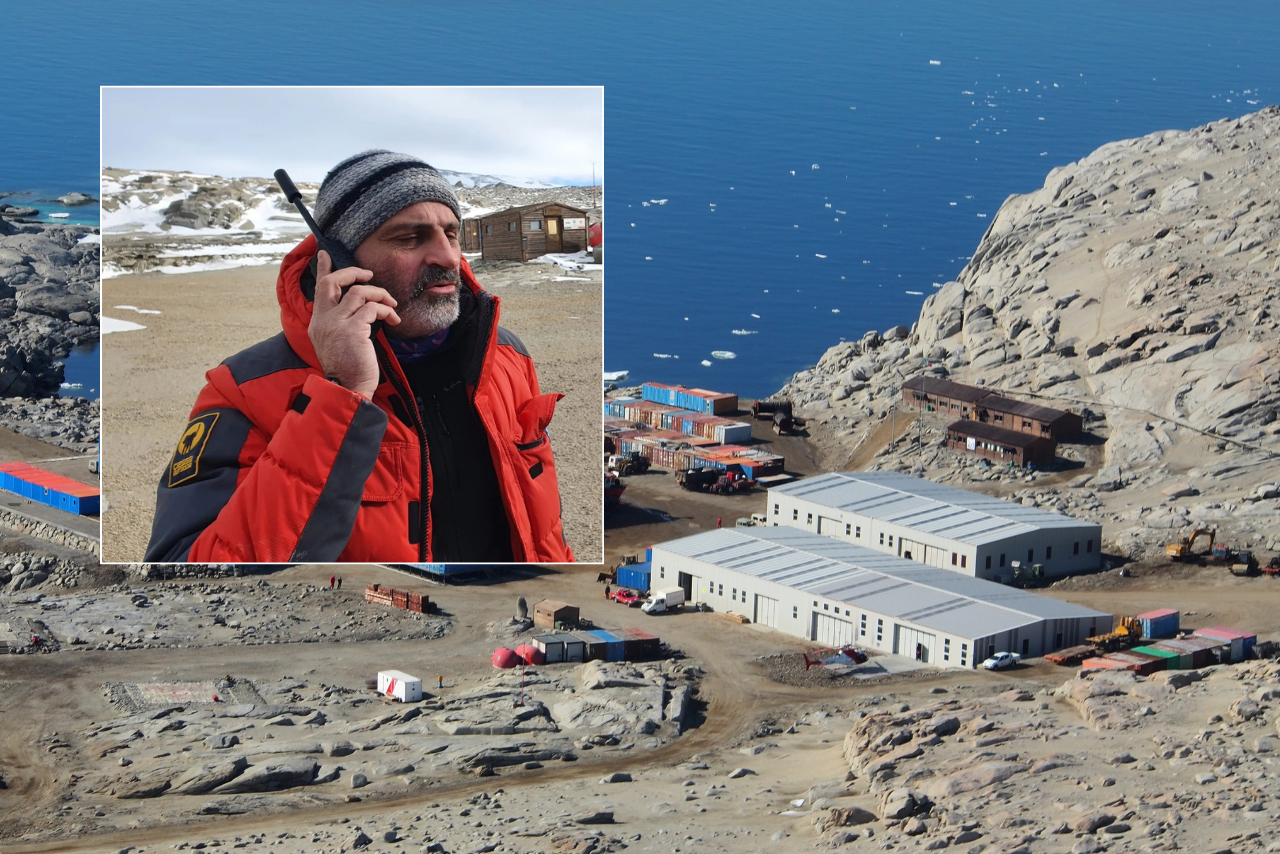
More than 10,000 Italian Antarctic expeditioners have passed through Christchurch over four decades, forging a relationship that Italy’s Antarctic programme now describes as far more than logistical convenience.
For Italian scientist Gianluca Bianchi Fasani, Christchurch has become part of the reason he keeps returning to Antarctica.
“Christchurch is not just the gateway to Antarctica, but our home away from home,” he said.
“We have an office here, and over time many of us have integrated and are genuinely happy to return. Not only for work, but also to see friends.”
Bianchi Fasani, from the Antarctic Technical Unit at Italy’s ENEA research centre and vice chair of the Council of Managers of National Antarctic Programs, has travelled through Christchurch regularly since 2012.
He has completed 13 Antarctic summer seasons at Italy’s Mario Zucchelli Station in the Ross Sea region and at Concordia Station, the French Italian research base deep on the Antarctic plateau.
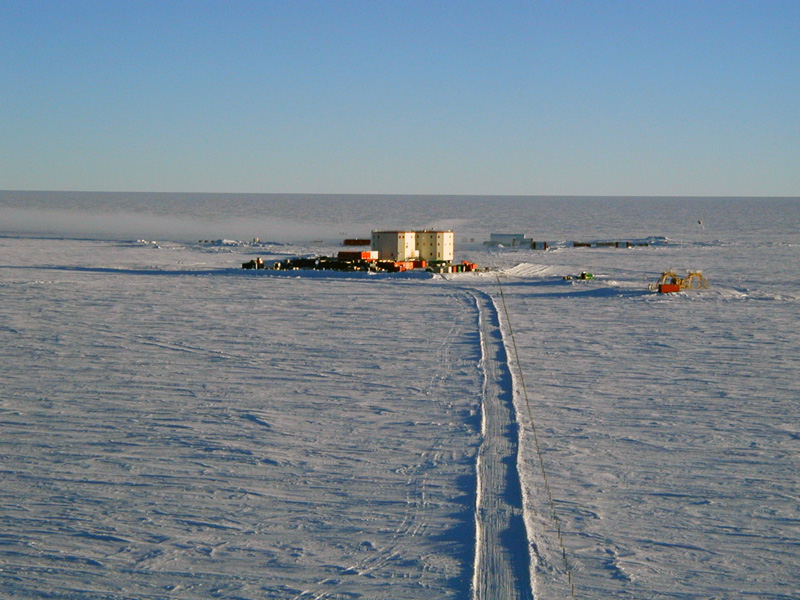
Concordia Station / Supplied
Every Italian expeditioner who had made the journey carried “a wonderful memory in their heart”, he said.
“Italy has always been in Christchurch since the beginning of its Antarctic commitment, using Christchurch as its gateway to Antarctica,” Italy’s Ambassador to New Zealand Cristiano Maggipinto said.
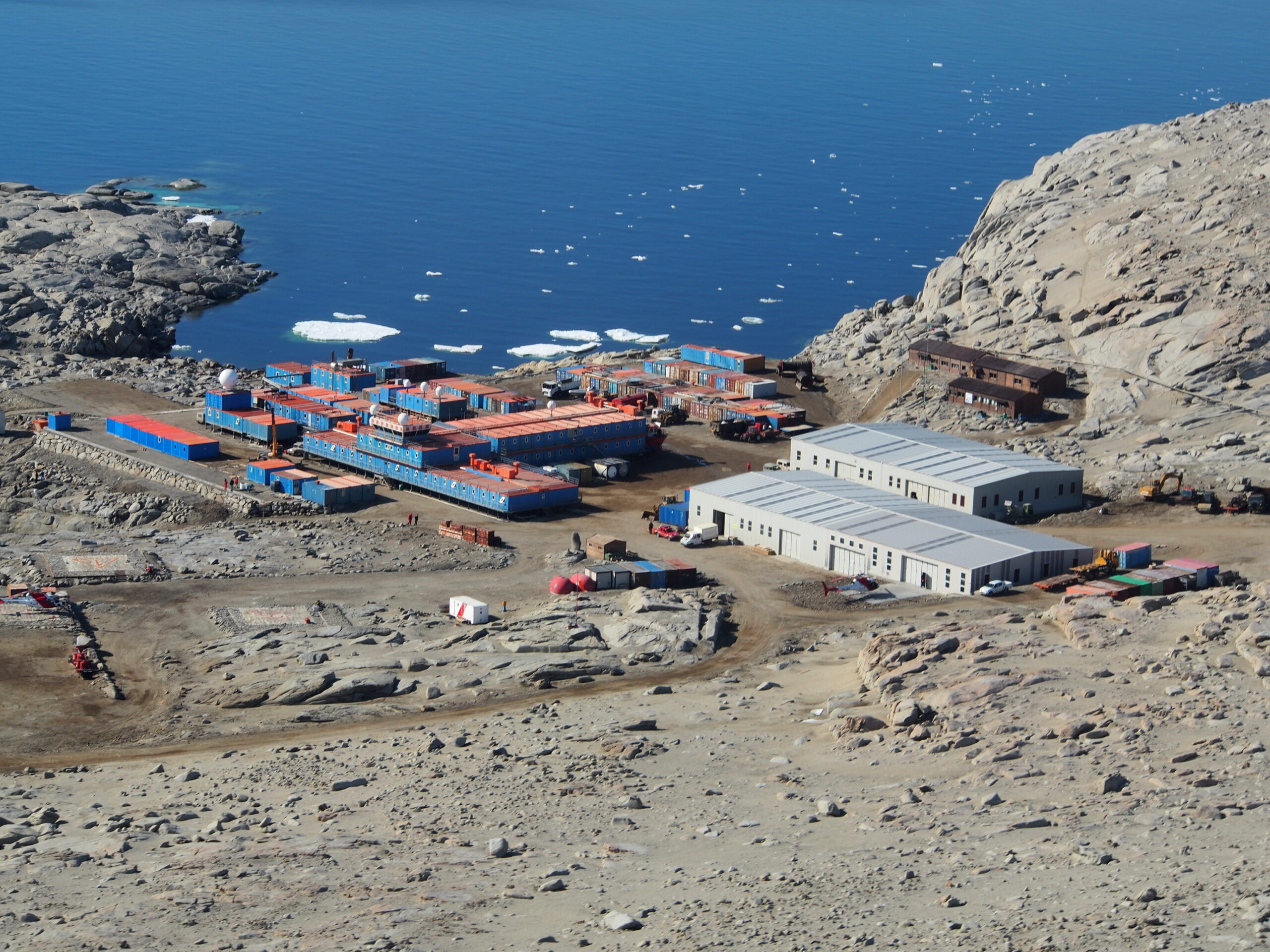
Italy’s Mario Zucchelli Station in the Ross Sea region / Credit: Photo: Paride Legovini / Wikimedia Commons, CC BY-SA 4.0
Italy joined the Antarctic Treaty in 1981, established its National Antarctic Research Programme in 1985, and began operating Mario Zucchelli Station the following year.
An agreement between Italy and New Zealand on Antarctic cooperation followed in 1987.
Maggipinto said Christchurch made practical sense because of the location of Italy’s Antarctic operations, but the relationship had grown far beyond transport and logistics.
“There is now a kind of familiarity between the Italians who deal with Antarctica and the authorities and the people of Christchurch.”
Italian researchers had been warmly received in the city and built strong friendships over repeated visits, he said.
That relationship was recently celebrated at Tūranga, Christchurch’s central library, where delegates attended a special exhibition showcasing the close Antarctic ties between Italy and New Zealand.
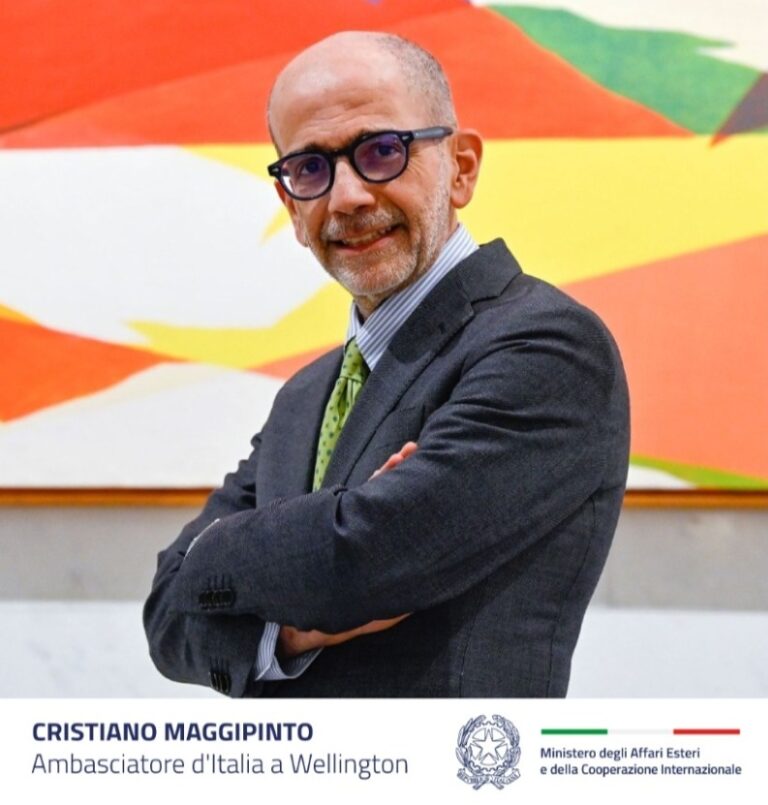
H.E. Cristiano Maggipinto
Ambassador of Italy in New Zealand
Maggipinto said the public response reflected how close Italy, New Zealand and Christchurch had become.
“Antarctica is a continent in which the climate conditions and all other conditions are really extreme,” he said.
“Cooperation between the countries is essential.”
For Italy, that cooperation extends from New Zealand to France, with the two European countries jointly operating Concordia Station about 1500 kilometres inland from Mario Zucchelli Station.
Scientific research remains at the heart of Italy’s presence on the continent.
Bianchi Fasani was involved last season in the European Beyond EPICA Oldest Ice project on the Antarctic plateau, where researchers recovered ancient ice samples dating back nearly 1.5 million years.
The project is aimed at giving scientists a better understanding of Earth’s past climate and how it has changed over extraordinarily long periods.
Maggipinto said the ability to recover information from ice formed more than a million years ago was remarkable.
“What happens from the climate point of view in Antarctica then has an impact on all the planet.”
Bianchi Fasani’s work this season will be considerably more practical.
He will focus on maintaining the gravel runway near Mario Zucchelli Station, a facility built directly on top of a glacier.
Two tests have already been carried out using a C130 aircraft operated by the Italian Air Force, with a Royal New Zealand Air Force crew onboard during the second test.
Bianchi Fasani said the runway was designed as a resource for Antarctic programmes operating throughout the Ross Sea region.
But away from the ice, his relationship with Christchurch has developed over more than a decade of visits.
His first trip came in 2012, when the city was still recovering from the Canterbury earthquakes.
As a geologist who had worked in parts of Italy affected by major earthquakes, he understood the scale of the challenge.
“Every time, believe me, I was surprised by the progress being made in rebuilding the city,” he said.
“This process might seem normal, but speaking from experience, I can tell you that the results achieved in Christchurch are almost unique and deserve to be studied.”
He put the recovery down to a combination of technical, political and economic capability.
There are also simpler reasons Christchurch has become somewhere he enjoys returning to.
“What I like most is the calm here in this city.”
Coming from Rome, Bianchi Fasani said Christchurch offered a dramatically different pace of life.
“It always makes me laugh when I hear my New Zealand friends complain about traffic when they’re stuck with just a few cars in front of them.”
He particularly enjoys the city’s parks and the Avon River.
“Even in Rome there is a river. The Tiber River is beautiful of course, but it is surrounded by high walls. Here, everything still seems to be in its natural state.”
And despite being Italian, his preferred Christchurch food stop is not necessarily somewhere serving pasta.
“Whenever I can, I love popping over to Sumner for some fish and chips.”
“Why do I keep coming back every year? Beyond it being my job, the answer is simple. My passion for the Antarctic continent,” Bianchi Fasani said.
“And this city has become a part of that passion.”