Escaped youth tracked by Eagle helicopter, found hiding in New Brighton
The young person who escaped from a youth justice facility in Rolleston has been located...


The young person who escaped from a youth justice facility in Rolleston has been located...

A person has been seriously injured on State Highway 75, Christchurch Akaroa Road. A police...

BodyFix Gym Christchurch in Phillipstown has taken out two major honours at the Exercise New...

Local MPs have found areas of agreement on major Resource Management Act reforms, during a...

A series of public events have been organised across Christchurch and Lyttelton over the coming...

A woman was taken to hospital after a ‘water incident’ at Parakiore Recreation and Sport...

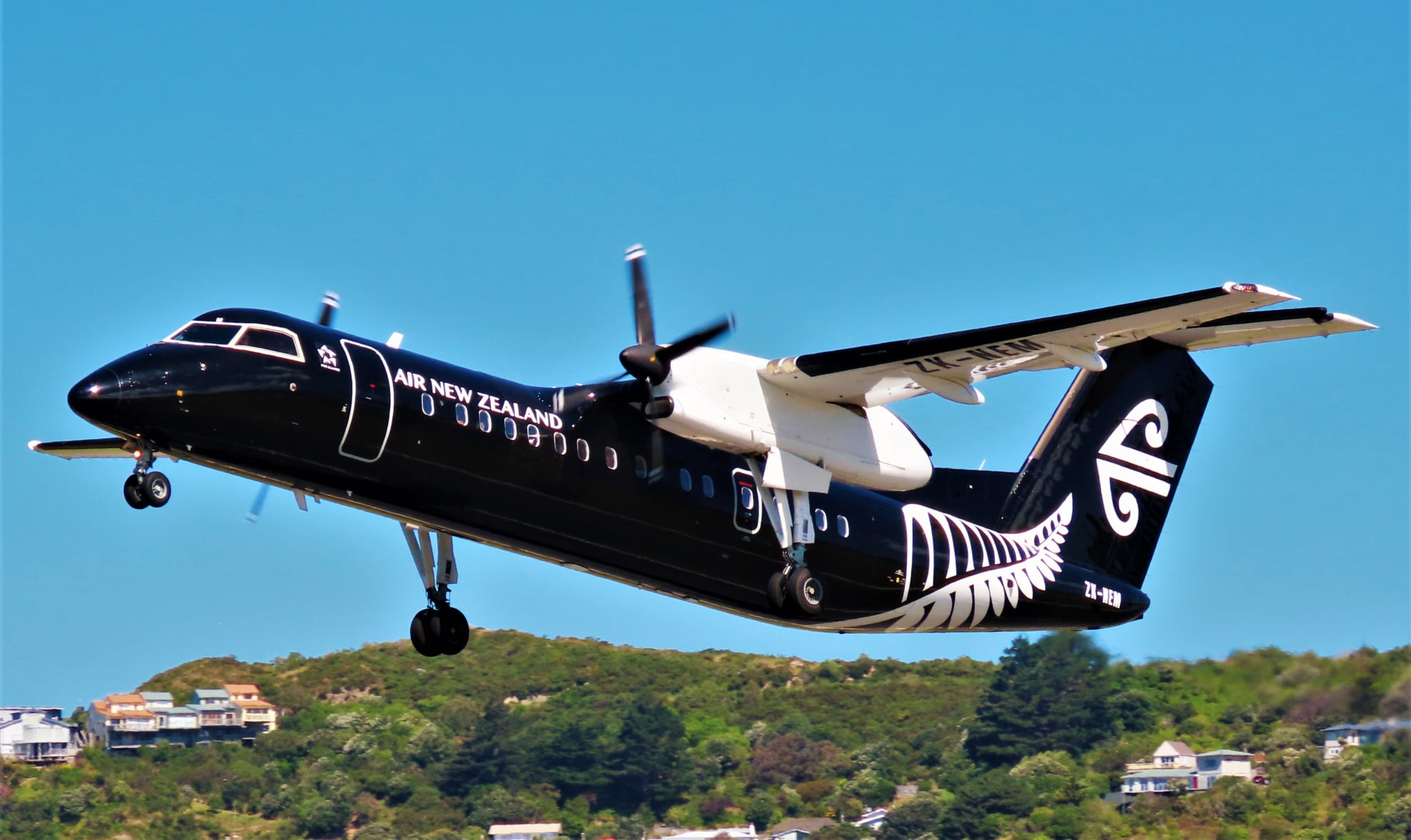
Civil Aviation Authority staff told investigators their ability to say “no” to Air New Zealand was limited, with a major investigation finding the relationship between the airline and its regulator had become “too close in nature”.
The finding forms part of a Transport Accident Investigation Commission report released today into a serious incident involving an Air New Zealand Q300 passenger flight approaching Timaru in June 2023.
The aircraft, carrying 33 passengers and three crew, descended to just 1156 feet while flying at night in an area where the minimum safe altitude was 2000 feet.
TAIC found the regulatory relationship between Air New Zealand and the CAA was likely to have impeded the regulator’s ability to impartially oversee the airline’s safety management system.
Evidence given to investigators by CAA inspectors and investigators revealed significant concerns from within the regulator itself.
“Our ability to say ‘no’ to Air New Zealand is limited,” one said.
Another told investigators there had been periods where staff “weren’t quite sure who was regulating who”.
A further staff member said Air New Zealand appeared to have more “sway” than other operators and had “a level of influence that is uncomfortable”.
TAIC said evidence gathered during its inquiry raised concerns about the CAA’s ability at the time to regulate Air New Zealand impartially and without the risk of regulatory capture.
The CAA told the Commission that assumptions about what drove its behaviour towards Air New Zealand should be approached with caution and said its relationship with the airline had since changed, recognising that “trust and verification was out of balance”.
The investigation followed the incident on 13 June 2023, when flight NZ8199 departed Wellington for Timaru.
The Q300 was conducting an instrument approach into Timaru at night when it began departing from its planned descent profile at about 8000 feet.
The deviation continued until the aircraft was about 2500 feet below the flight path programmed by the crew.
It eventually descended to 1156 feet, just 1022 feet above ground level.
TAIC said that had the captain not taken corrective action, the aircraft’s ground proximity warning system would have sounded.
The captain realised the aircraft was too low, levelled it off and began a gradual climb back to 2000 feet before continuing the approach.
The aircraft landed safely and nobody was injured.
Investigators found both pilots had become fixated on trying to visually locate Timaru Airport’s lights.
Their focus on the lights led to degraded instrument scanning and inadequate monitoring of the aircraft’s flight path, leaving them unaware the aircraft was descending faster than usual.
The captain had switched the aircraft from its vertical navigation mode into vertical speed mode while changing the altimeter setting.
Returning the aircraft to the intended mode relied on the pilot remembering to do so, and that step was overlooked.
TAIC found effective monitoring and cross checking by either pilot would very likely have detected the error before the aircraft deviated so significantly from its intended flight path.
But investigators found the problems went considerably further than the actions of the two pilots.
TAIC found deficiencies in Air New Zealand’s training and oversight of pilots with comparatively less multi crew experience and differences in safety culture between the Q300 fleet and the airline’s other fleets.
Air New Zealand had also experienced six previous incidents involving flight path deviations before the Timaru incident.
TAIC found the airline’s response to those incidents had not adequately addressed risks associated with operating the Q300 fleet.
The Commission also found CAA oversight had not been effective in responding to problems involving the fleet and said greater regulatory surveillance had been warranted.
TAIC pointed to the integration of the former Air Nelson and Mount Cook Airline fleets into Air New Zealand, problems with subsequent recertification and the CAA’s inability to accurately assess the performance of Air New Zealand’s safety management system.
The Commission said regulators needed to remain alert to signs of regulatory capture and have protections against undue organisational influence.
Since the incident, Air New Zealand and the CAA have undertaken safety work responding to issues identified during the investigation.
TAIC said most of the safety issues identified had already been addressed, while two recommendations remain involving aircraft systems and cockpit voice recorders.