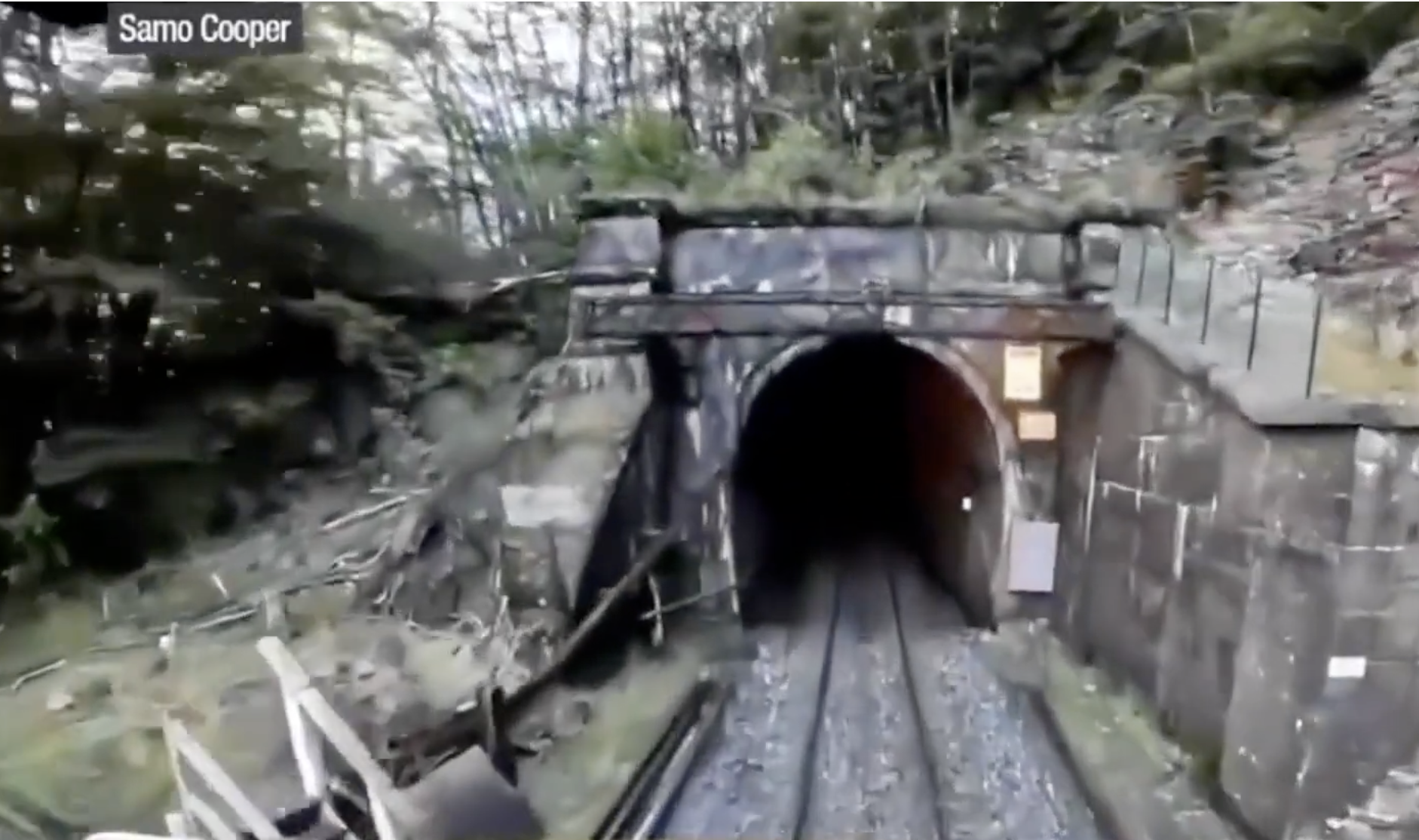
Escaped youth tracked by Eagle helicopter, found hiding in New Brighton
The young person who escaped from a youth justice facility in Rolleston has been located...


The young person who escaped from a youth justice facility in Rolleston has been located...

A person has been seriously injured on State Highway 75, Christchurch Akaroa Road. A police...

BodyFix Gym Christchurch in Phillipstown has taken out two major honours at the Exercise New...

Local MPs have found areas of agreement on major Resource Management Act reforms, during a...

A series of public events have been organised across Christchurch and Lyttelton over the coming...

A woman was taken to hospital after a ‘water incident’ at Parakiore Recreation and Sport...

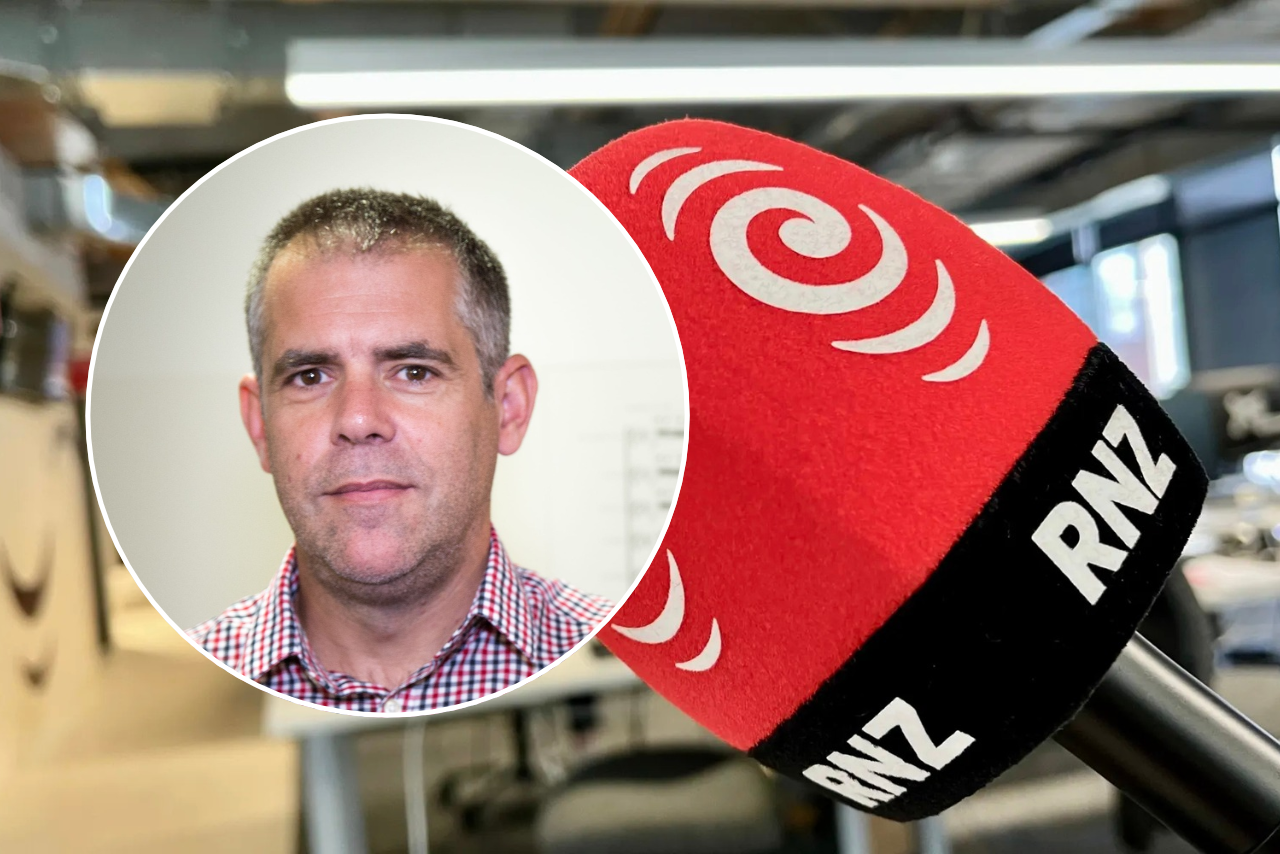
A leaked email from RNZ’s new acting chief executive Mark Stevens has fuelled fresh anger inside the troubled broadcaster, with staff accusing management of predetermining job cuts before consultation with employees has been completed.
The email, sent to all staff at 4.20pm on Tuesday and obtained by chrislynchmedia.com, confirms RNZ’s board has approved a revised budget involving a proposed reduction of 58 full time equivalent positions.
It came just hours after employees protested outside RNZ’s Auckland and Wellington offices over proposed redundancies and financial mismanagement.
A well placed source questioned whether management was genuinely committed to consulting staff and unions. “He’s shown no regard for any good faith communications with staff union. From the email, it’s clear that there’s a predetermined number of employees that Mark Stevens and his close executives in HR plan to go ahead with cutting 60 staff.”
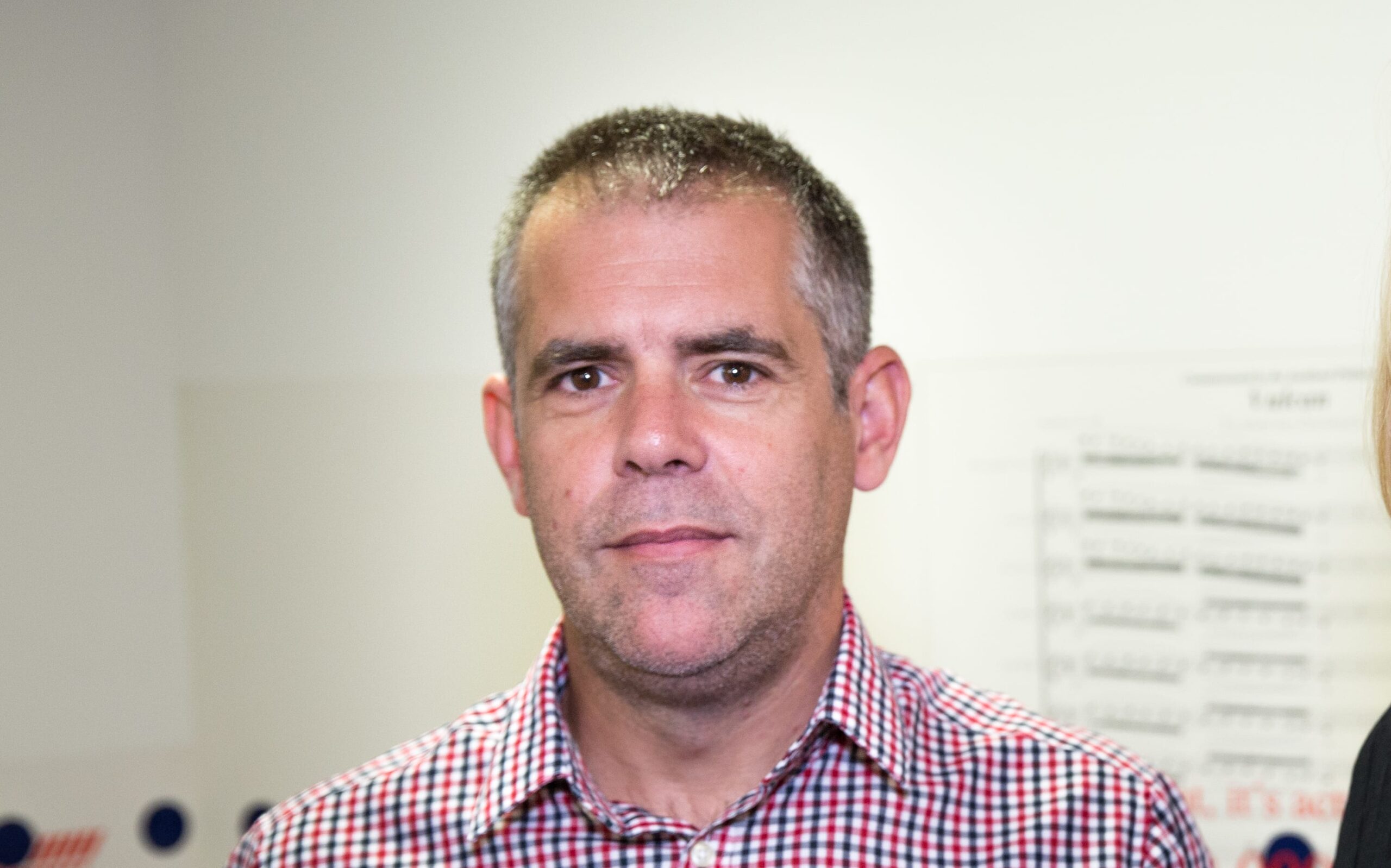
RNZ’s acting chief executive Mark Stevens
The RNZ worker also alleged there could be a cover up involving Stevens, although no evidence has been provided to substantiate that allegation.
A separate RNZ employee, speaking confidentially to chrislynchmedia.com, described extraordinary anger towards the broadcaster’s leadership.
“The mood on the surface is professional, but stress levels are through the roof. Knowing that we’re all working as hard as ever while nobody’s jobs are safe is deeply upsetting. We are absolutely furious with management and the board, for various reasons.”
The employee was particularly scathing about the financial failures that have left staff facing redundancy.
“Firstly, they fucked up to a level that none of us could ever dream of, and have endangered our careers and livelihoods as a result, while we’re just trying to do our jobs.
“Second, other than the usual “we realise this is an upsetting time, here’s a link to EAP”, we’ve seen no sympathy at all from anyone on the board or upper management; the only time Brent Impey expressed empathy was for CEO Paul Thompson.
“Thirdly, at no time have we seen anyone in a management role advocate for the importance, and the unique role, of public broadcasting. If ever there was a time to stand up and defend your charter, this is it. That has absolutely not happened, and we’re hugely disappointed. Either they don’t understand the role of a public broadcaster, or it hasn’t occurred to them that public broadcasting is worth defending. Either option is startling, given their roles.”
The criticism comes after RNZ revealed an $11.8 million annual deficit and an unlawful $5 million overdraft facility approved by its board without the required ministerial permission.
An independent review has been commissioned to investigate the financial failures. The employee said, “A board’s role is to assume ultimate responsibility and act as a check on all activity in that organisation. They have clearly failed in their obligations.”
“What do you have to do to lose your role as a board member!?”
In his email, Stevens said the broadcaster’s financial difficulties required immediate action.
“RNZ funding has reduced by 9% over two years, and our expenditure has not been reduced to accommodate that. The independent review will examine how this situation occurred, but the immediate challenge is that RNZ is currently costing more to run than we are funded for. This needs to be addressed.”
“The Board has approved a revised budget for 2026/27 which includes a minimum of 5% reduction in non-staff operational costs and a proposed reduction of 58 FTEs, including the 25 to 30 roles announced in August, some of which are already under way. It is for RNZ to determine following consultation with potentially impacted staff and unions which positions may need to be disestablished.”
While Stevens said consultation would determine which positions could be disestablished, the proposed reduction of 58 full time equivalent positions is already included in RNZ’s approved budget.
The first source believes this raises serious questions about whether staff feedback can meaningfully change the outcome.
Stevens also said, “Restructuring costs if the proposed reductions are implemented will be $2.5m, contributing to an expected deficit of $7.8m for 2026/27 this year.”
“Staffing currently accounts for 60% of RNZ costs. News and Audio make up 75% of RNZ’s people. The proposals will be across all levels and all parts of the business. We cannot achieve the level of staffing reduction required to sufficiently reduce our expenditure in line with the approved budget by proposing to protect any specific parts of RNZ.”
The second employee questioned whether RNZ had allowed its senior management structure to expand unnecessarily. “There does seem to have been an expansion of the number of roles at upper management level. I hope some of those roles are also under consideration for disestablishment.”
They also raised concerns about the treatment of former Saturday Morning presenter Susie Ferguson, whose presenting role was disestablished following a decision to move the programme to Auckland. RNZ subsequently appointed Wellington based broadcaster Patrick Gower.
The latest revelations follow a leaked letter obtained by chrislynchmedia.com from E tū and the Public Service Association calling for senior executive remuneration to be examined before further redundancies proceed.
The unions also questioned whether managers whose decisions may come under scrutiny during the independent review should be responsible for determining which positions disappear.
Stevens said senior executives would develop proposals affecting their teams.
“The Executive business owners are responsible for proposing changes to their teams based on the work programme and choices about what we continue, change, reduce or stop. The proposed changes have been informed by data, our strategy, obligations to staff and audience needs.”
He said RNZ would honour its consultation obligations.
“Change proposals will be communicated from this week. Our aim is to share information with affected teams as soon as possible and provide opportunities for feedback. We will follow a full and fair consultation process, meeting our obligations to staff and unions, and share the outcomes as appropriate.”
“If proposals go ahead, people will progressively leave RNZ between December and March 31, 2027.”
The RNZ employee said “the problem is that you can’t and shouldn’t measure the value and impact public broadcasting by a standard cost-benefit calculation. Our job is very different to that of commercial broadcasters, in that we’re there to foster a sense of national identity, provide information, and enrich the cultural life of the country.”
“We’re kind of like the village square where you can just sit and check out all the things that are happening in your community, listen to a band, feel like you belong. That’s not commercially viable, but it’s so important when society is fracturing the way it is.”
“To restore staff confidence, there needs to be a change in the way success is measured for RNZ, and that needs to happen at all levels of government, governance, and management.”