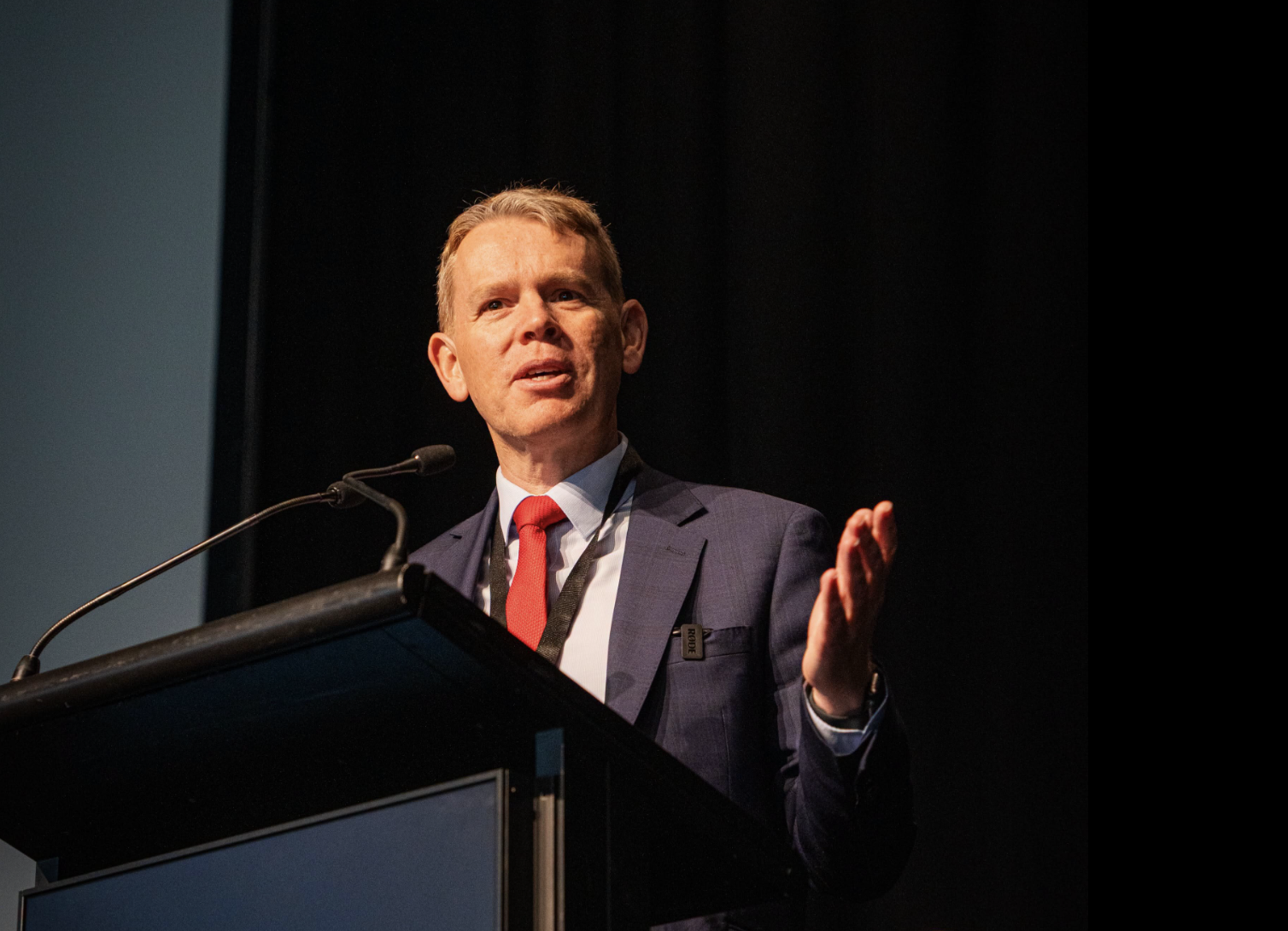
Escaped youth tracked by Eagle helicopter, found hiding in New Brighton
The young person who escaped from a youth justice facility in Rolleston has been located...


The young person who escaped from a youth justice facility in Rolleston has been located...

A person has been seriously injured on State Highway 75, Christchurch Akaroa Road. A police...

BodyFix Gym Christchurch in Phillipstown has taken out two major honours at the Exercise New...

Local MPs have found areas of agreement on major Resource Management Act reforms, during a...

A series of public events have been organised across Christchurch and Lyttelton over the coming...

A woman was taken to hospital after a ‘water incident’ at Parakiore Recreation and Sport...

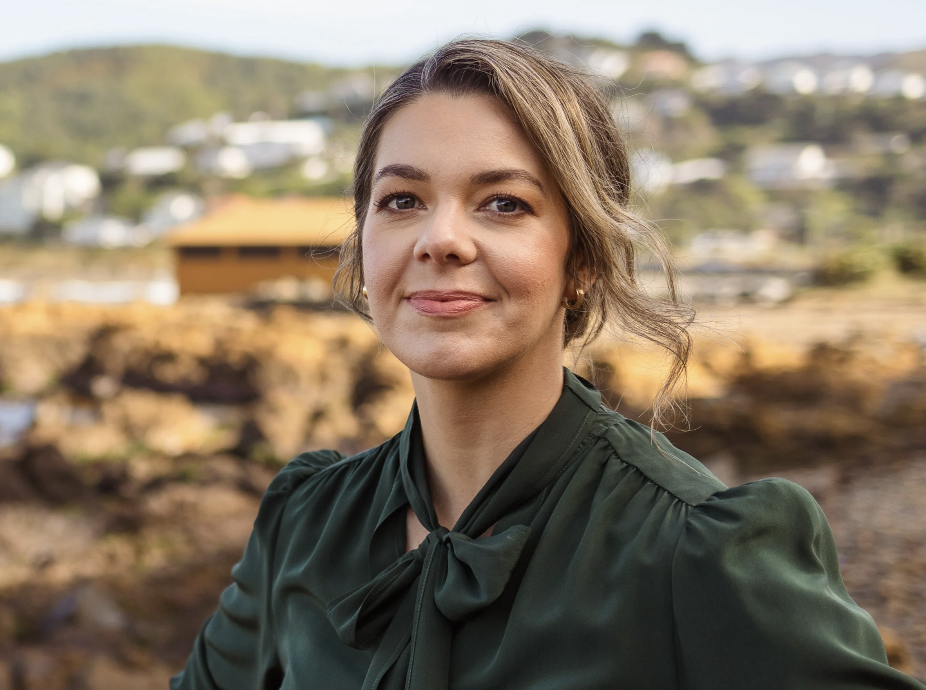
New Opportunity Party MP Kayla Kingdon-Bebb has defended the controversial He Puapua report she helped write, despite its proposals for sweeping changes to New Zealand’s democracy, including separate Māori governing powers, an overhaul of Parliament and greater control over land, water and the courts.
During an interview with TVNZ Kingdon-Bebb blamed the controversy surrounding the report on politicians who had used it to frighten voters.
“A lot of the sort of screeching about co-governance is being done by people who haven’t actually read the report.”
The report itself proposed some of the most far reaching constitutional changes considered in modern New Zealand politics.
Among the options was creating a parliamentary upper house with equal Māori and Crown representation, regardless of the population proportions represented by each.
The 2019 report also envisaged three separate spheres of authority, with Māori exercising their own governing powers, the Crown retaining others, and a third sphere where decisions would be shared.
By 2040, its authors wanted Māori exercising exclusive or shared jurisdiction over specified lands, natural resources and cultural matters.
The report also proposed considering binding Waitangi Tribunal decisions, a separate Treaty or Indigenous rights court and changes to Māori involvement in the justice system.
It envisaged significantly increasing the return of Crown land and water to Māori ownership, beyond existing Treaty settlements.
Health, education and other public services were also identified as areas where Māori organisations could exercise greater control.
The proposals formed part of a roadmap for constitutional transformation by 2040, the bicentenary of the signing of the Treaty of Waitangi.
He Puapua was produced by a nine member working group established in 2019 to advise the Government on implementing the United Nations Declaration on the Rights of Indigenous Peoples.
Kingdon-Bebb was among its authors.
She told TVNZ the document had been unfairly portrayed as a government blueprint rather than a collection of options for discussion. “It’s been, frankly, quite badly misrepresented by some politicians for political purposes.”
She argued its central recommendation was for a national conversation about Indigenous rights and constitutional arrangements.
But when asked whether the more contentious proposals should remain under consideration, Kingdon-Bebb did not rule them out.
“All of those options can be on the table.” She also pointed to overseas examples of Indigenous governing arrangements, arguing the ideas were not necessarily revolutionary.
The report was never adopted as government policy. However, its proposals included changes that could significantly alter Parliament’s structure, the powers of existing courts and the allocation of authority over public resources.
Kingdon-Bebb did not establish during the interview which of those specific proposals she personally supported, nor was she pressed on them.