Escaped youth tracked by Eagle helicopter, found hiding in New Brighton
The young person who escaped from a youth justice facility in Rolleston has been located...


The young person who escaped from a youth justice facility in Rolleston has been located...

A person has been seriously injured on State Highway 75, Christchurch Akaroa Road. A police...

BodyFix Gym Christchurch in Phillipstown has taken out two major honours at the Exercise New...

Local MPs have found areas of agreement on major Resource Management Act reforms, during a...

A series of public events have been organised across Christchurch and Lyttelton over the coming...

A woman was taken to hospital after a ‘water incident’ at Parakiore Recreation and Sport...
Paul Thompson’s early departure from RNZ will do little to address deeper problems within the taxpayer-funded broadcaster, according to current and former staff.
The chief executive and editor-in-chief will leave on Monday 16 November, more than six weeks earlier than his original departure date of 31 December.
Chief news officer Mark Stevens will take over as acting chief executive and editor-in-chief from Tuesday 17 November.
Now questions are also being raised about Stevens’ role in RNZ’s spending decisions and the influence of a Human Resources executive.
A well-placed source told chrislynchmedia.com Stevens had overseen the arrival of several former Stuff colleagues into senior roles at RNZ.
“He brought all his mates from Stuff to RNZ, those with no radio experience whatever, they were big hires, and nobody in the company really knew what they did.”
The source described Stevens as part of what they called a wider “culture of spending” within the organisation.
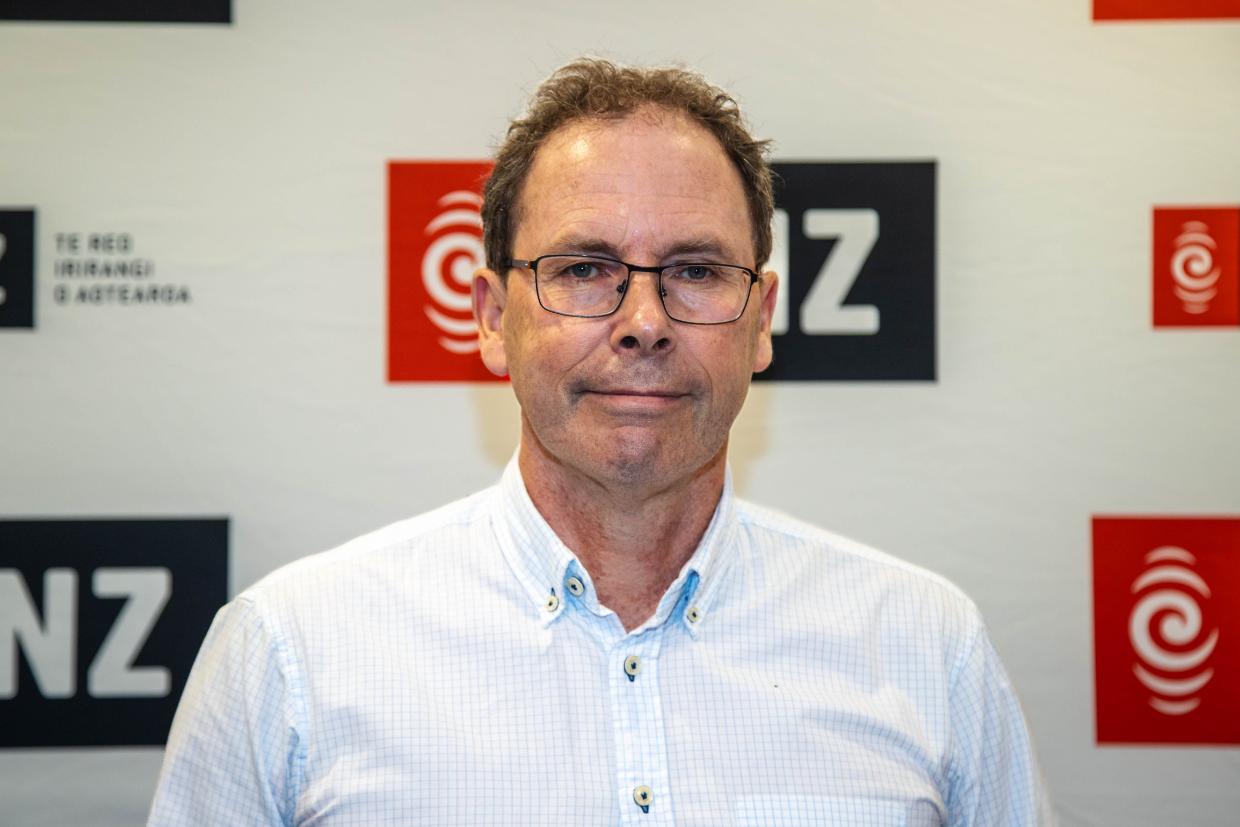
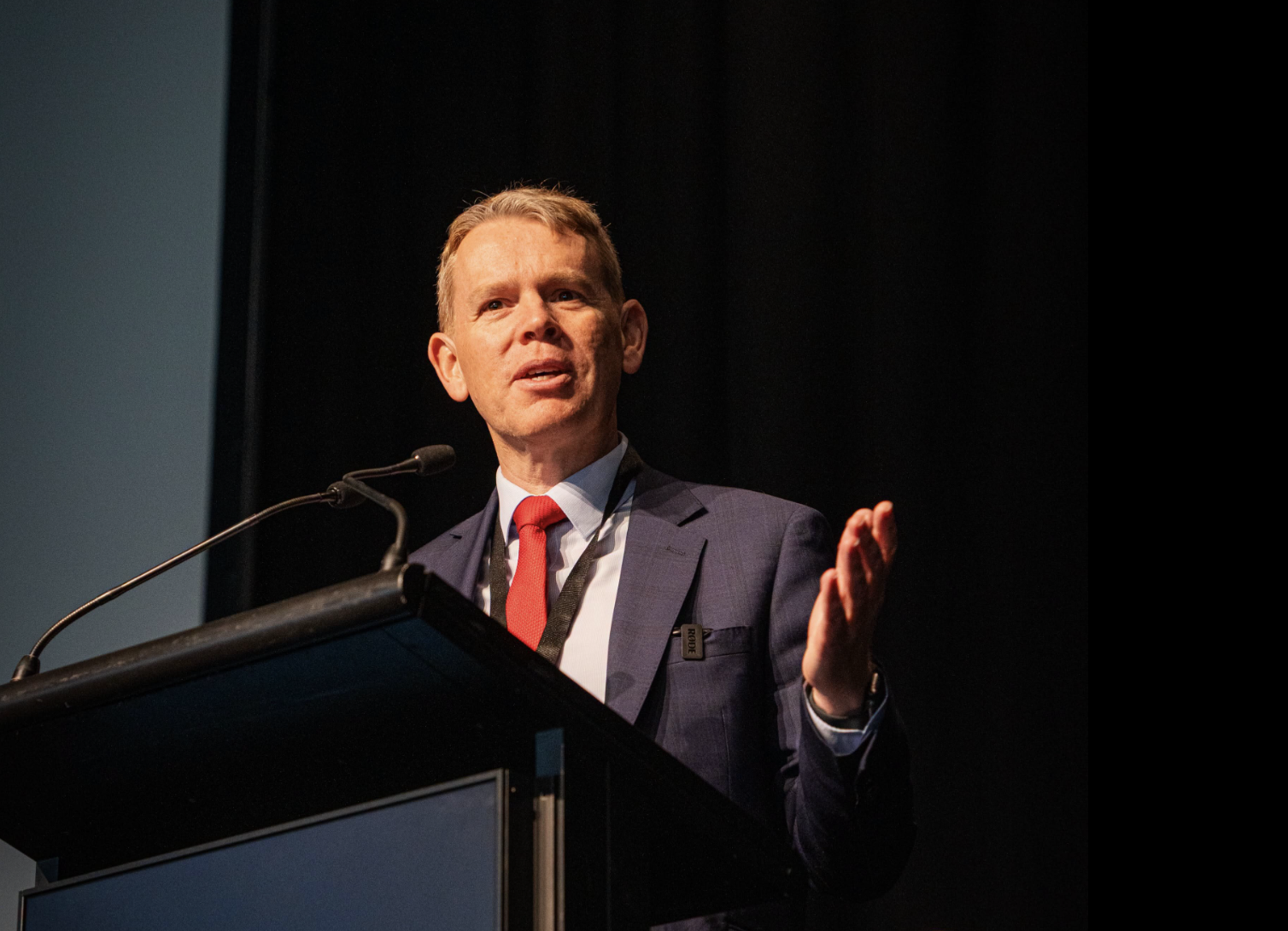
Outgoing Chief Executive of RNZ Paul Thompson
Multiple staff who spoke to Chris Lynch Media described a culture of extravagance, in which senior managers lost touch with the newsroom and human resources was allowed to wield far too much power.
One former employee said senior figures on the board and in HR management should also step down.
Thompson’s departure follows RNZ’s $11.8 million annual loss and its unlawful $5 million overdraft facility.
Its annual report shows the number of staff paid more than $100,000 rose from 178 to 207 in the same year.
The broadcaster now plans to cut the equivalent of 58 full-time jobs by the end of March and reduce operating costs by at least 5 percent.
The same HR department staff blamed for many of RNZ’s problems will oversee those redundancies.
In a message to staff, Thompson said bringing his departure forward was best for him, his family and RNZ.
“I have led the organisation for 13 years. It has been a privilege. The last few weeks have, of course, been difficult. As Chief Executive and Editor-in-Chief I take responsibility for the financial issues we are dealing with. It is a sad note to end on.”
He would contribute to the independent review to help RNZ examine what went wrong, he said.
He was proud of the work done since 2013 to modernise the organisation, including leading on trust, growing audiences and improving journalism.
RNZ board chair Brent Impey said he had considerable empathy for Thompson as a chief executive who had been given inaccurate financial information.
“He has responded to a difficult situation with courage and integrity,” Impey said.
Inside the newsroom, the mood was bleak.
Staff were shocked and depressed, with many blaming what one former employee described as a “power hungry, toxic” human resources department.
Executive management and HR had fostered a workplace in which newsroom staff felt easily replaced, the former employee said.
Experienced journalists who carried much of the daily reporting had left over several years.
Journalists faced public criticism over RNZ’s work while having little say over decisions that affected their jobs, and concerns raised internally went unheard, they said.
A current RNZ employee said staff had no confidence HR could run a fair redundancy process. They described the department as a major contributor to the problems now costing people their jobs.
Questions have also been raised about the influence of chief people officer Sarah Neilson within the organisation.

Sarah Neilson
(She/Her) Chief People Officer, Radio New Zealand, Linkedin
“Unfortunately she had far too much power over the organisation, and Paul could do little to rein her in.”
They said they had sympathy for Paul and it was sad to see him go.
Another well-place source accused her Neilson of “building a department with little accountability.”
Sarah Neilson did not respond to a request for comment.
Another well-placed source questioned why the broadcaster put so much effort into human resources, internal training and management roles with little meaningful output.
They pointed to changes made after a 2023 review, which followed the discovery that syndicated news stories had been improperly edited.
A report to RNZ’s board shows the broadcaster appointed a director of editorial quality and training, added resources to its digital editing team and set up a board committee on editorial standards.
“Nothing really changed, except employing more people,” the source said.
The insider also questioned how much staff time and money went into corporate programmes such as sustainability.
RNZ advertised a permanent, full-time business sustainability analyst role, which included monitoring carbon emissions and providing financial and business advice. Its emissions plan includes changes to the vehicle fleet.
Chris Lynch Media understands tensions arose when the head of sustainability wanted work vehicles replaced with an electric fleet. Reporters in the field said electric vehicles would not be practical when covering civil emergencies.
Another source said three members of a sustainability team travelled the country auditing office recycling bins and asking why more staff were not using e-bikes to get to work.
Staff were later sent what the source called a “nonsense” follow-up report.
Election coverage also drew criticism. Management seemed obsessed with polling, which did not come cheap and was the reason so few networks commissioned polls, the source said.
RNZ published six nationwide party vote polls with Reid Research in 2026, ahead of the 7 November election. Flights and hotel rooms booked for managers to attend election night coverage were later cancelled, the source said.
Before the election, the source was told senior figures at RNZ were counting on a Labour-led government to provide extra funding.
In the source’s view, the preliminary result made a bailout less likely and left RNZ to disclose the scale of its losses without the help those figures had hoped for.
RNZ published its financial report on 9 November, two days after voting day. Media and Communications Minister Paul Goldsmith ruled out financial help the following day.
The board approved the $5 million Westpac overdraft facility in June without the required approval from the Minister of Finance and the Minister for Media and Communications.
RNZ said it arranged the facility as a safety net in case a property sale was delayed, and that it obtained no legal advice before entering into it.
RNZ had budgeted for a $470,000 loss. Personnel expenses came in $3.2 million over budget and operating expenses $6.4 million over, with property work and the Auckland office move among the major costs, the broadcaster said. Its baseline funding fell by 7 percent, and inaccurate internal reporting meant it failed to cut costs during the year, it said.
Twenty two staff were paid more than $200,000 in the year to 30 June 2026, up from 19 the year before. The highest paid employee received between $610,000 and $619,999, up from between $580,000 and $589,999.
Payouts to departing staff also rose sharply. Twenty two staff received a combined $1.374 million in compensation and other benefits when their employment ended, compared with four staff who shared $181,000 the previous year.
The pay figures include salaries, superannuation, allowances, bonuses and payments made when employment ended.
The board has announced an independent review of financial reporting, controls and oversight. Auditor General Grant Taylor said his office would consider how thoroughly information was scrutinised before it reached decision makers.
The source said Thompson’s departure could pave the way for Stevens to secure the chief executive role permanently, claiming he has the backing of RNZ chair Brent Impey.
“But Stevens is part of the problem. He treated RNZ like a bottomless pit of taxpayer money, bringing in former Stuff colleagues on big salaries. Just look at who he hired and ask what value they delivered. Now the very person who helped create this culture could end up running the entire organisation, you can’t make this stuff up.”
Impey told Sean Plunket on The Platform that the organisation needed to change its culture. “The review has got to be robust and it’s got to be made public. This is public money.”
On Saturday afternoon, an RNZ spokeswoman wouldn’t answer direct questions, but said “The independent review is expected to look at the causes of the financial result and examine why internal financial reporting did not accurately reflect RNZ’s position and the adequacy of financial controls, escalation, assurance and governance arrangements.