Escaped youth tracked by Eagle helicopter, found hiding in New Brighton
The young person who escaped from a youth justice facility in Rolleston has been located...


The young person who escaped from a youth justice facility in Rolleston has been located...

A person has been seriously injured on State Highway 75, Christchurch Akaroa Road. A police...

BodyFix Gym Christchurch in Phillipstown has taken out two major honours at the Exercise New...

Local MPs have found areas of agreement on major Resource Management Act reforms, during a...

A series of public events have been organised across Christchurch and Lyttelton over the coming...

A woman was taken to hospital after a ‘water incident’ at Parakiore Recreation and Sport...

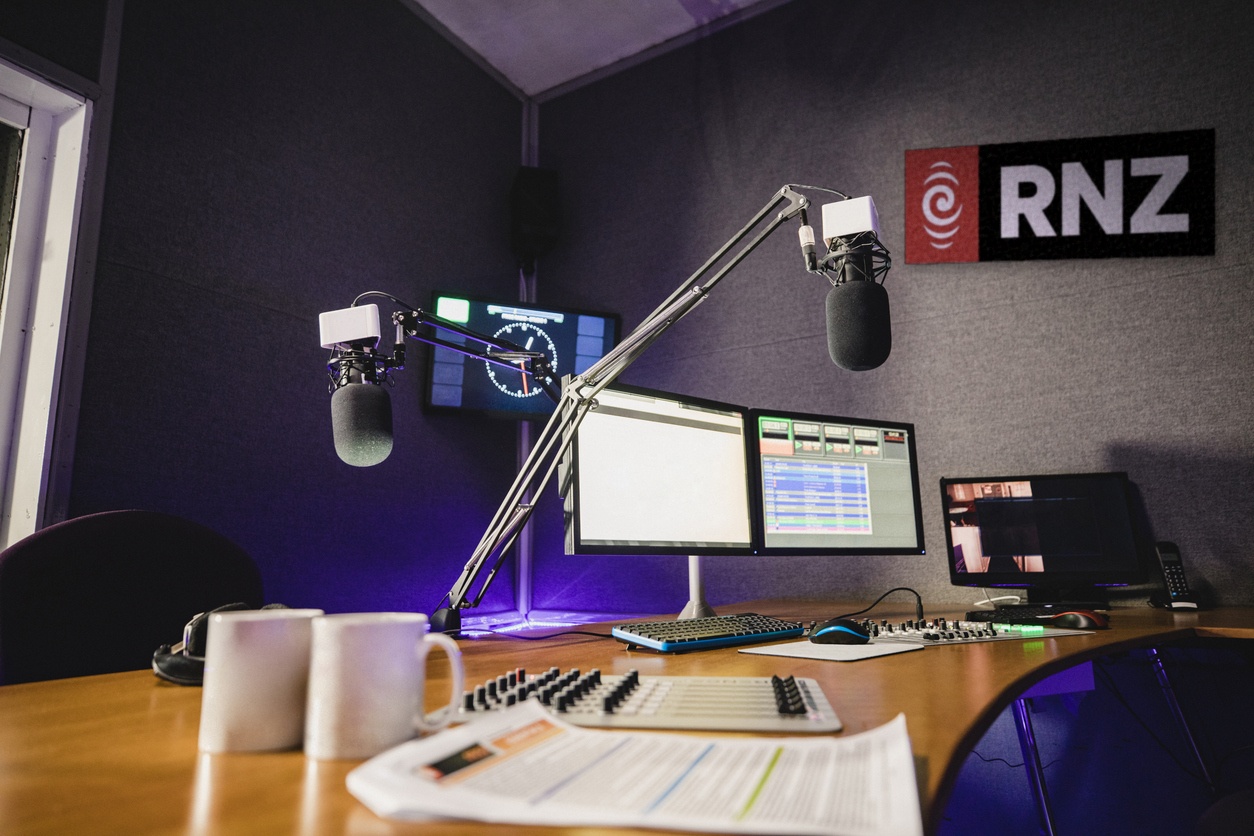
The Taxpayers’ Union wants Radio New Zealand to investigate making directors personally pay any costs arising from the $5 million overdraft they approved without legally required ministerial consent.
The demand comes as the publicly funded broadcaster prepares to cut the equivalent of 58 full time jobs following an $11.8 million annual loss, more than 25 times its budgeted deficit.
Taxpayers’ Union executive director Jordan Williams said Radio New Zealand should establish whether the borrowing arrangement had cost taxpayers money, including bank fees or legal expenses, and assess whether those costs could be recovered from individual directors.
“Directors are not decorative ornaments. They’re paid to exercise independent judgement, ask difficult questions, and ensure the organisations they govern obey the law,” Williams said.
Williams pointed to section 95 of the Crown Entities Act, which prohibits directors of Crown entity companies from causing or agreeing to their organisation breaching the legislation.

Taxpayers’ Union executive director Jordan Williams
The provision allows a company to bring proceedings against a director for breaching that duty and provides for removal from office. It does not, by itself, establish that any particular RNZ director is personally liable for costs. Crown Entities Act
Williams also cited the Companies Act requirement for directors to exercise reasonable care, diligence and skill.
A police spokesperson told chrislynchmedia.com it was not a police matter. The Serious Fraud Office declined to say whether it was investigating.
RNZ board chair Brent Impey was among the directors who approved the temporary overdraft facility on 9 June. He said he became aware of the breach when auditors examined the broadcaster’s books in October.
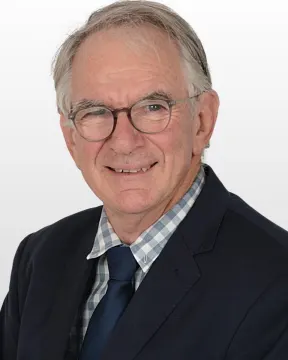
Brent Impey was appointed Director to the RNZ Board in 2024 and Chair in July 2026
Asked whether Impey should go, ACT leader David Seymour told chrislynchmedia.com, “We need to get to the bottom of how it was presented to him.”
Seymour said Impey had only recently been appointed chair when it approved the facility. He said the independent review should establish who knew what and when before decisions were made about accountability.
RNZ said the overdraft was arranged as a financial safety net in case a property sale was delayed while it managed significant one off costs.
The broadcaster said its former chief financial officer, Hilary Parker, initiated the arrangement, which the executive took to the board. Parker resigned in October.
RNZ said it obtained no internal or external legal advice before entering into the arrangement, although its borrowing policy referred to the relevant provision of the Crown Entities Act.
The breach concerned entering into the new financing arrangement without approval from the Minister of Finance and the Minister for Media and Communications.

Former RNZ chief financial officer Hilary Parker. LinkedIn
The $5 million figure was the facility’s borrowing limit, rather than the amount RNZ actually borrowed.
Its annual report recorded maximum borrowing of $2.3 million during the financial year and a zero overdraft balance at 30 June. RNZ said it did not exceed the $3.5 million borrowing limit ministers had approved in 2006.
The wider financial problems extended beyond the overdraft.
RNZ reported an $11.846 million deficit for the year ended 30 June 2026, against a budgeted loss of $470,000. Personnel expenses exceeded budget by $3.2 million, while operating expenses were approximately $6.4 million above budget.
Costs included its Auckland office relocation, asset write offs, decommissioning transmission towers at Henderson and remediation associated with the Titahi Bay property sale. Another budgeting error involved treating $2 million from proposed land sales as revenue.
RNZ chief executive Paul Thompson accepted responsibility for the result, acknowledging that internal reporting had given management and the board an inaccurate picture of the broadcaster’s finances.
The independent review is expected to examine the reporting failures, financial controls and the respective responsibilities of management and directors.
The Audit Office said EY, which conducted RNZ’s audit on behalf of the Auditor General, identified the issues now disclosed by the broadcaster. The office became aware of the problems in October and has been engaging with RNZ and EY.
Auditor General Grant Taylor said his office would consider the review’s findings, including whether information had been adequately scrutinised and challenged before reaching decision makers.
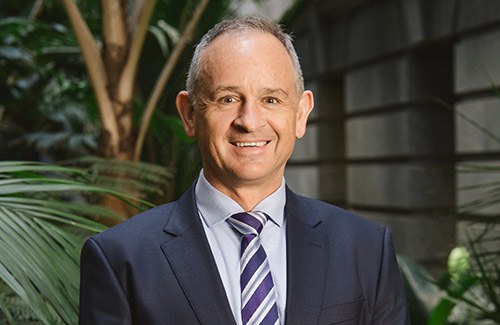
Auditor General Grant Taylor
RNZ plans to reduce staffing by the equivalent of 58 full time roles by the end of March 2027, subject to employment processes, and cut operating costs by at least five percent.
It is forecasting a further $7.8 million deficit for the current financial year.
Questions have also been raised about the influence Radio New Zealand’s chief ‘people’ officer Sarah Neilson holds within the organisation.
Do you know? email [email protected] in confidence

Sarah Neilson
(She/Her) Chief People Officer, Radio New Zealand, Linkedin
A former RNZ employee told chrislynchmedia.com colleagues were shocked and depressed, with many blaming what they described as a “power hungry toxic” human resources department.
The former employee said the bitter irony was that the same HR staff they accused of incompetence would now oversee redundancies, while arguing those at the top should be the first to lose their jobs.
A current RNZ employee said staff had no confidence HR could oversee a fair redundancy process, accusing the department of being a major contributor to the problems now costing people their jobs.