Escaped youth tracked by Eagle helicopter, found hiding in New Brighton
The young person who escaped from a youth justice facility in Rolleston has been located...


The young person who escaped from a youth justice facility in Rolleston has been located...

A person has been seriously injured on State Highway 75, Christchurch Akaroa Road. A police...

BodyFix Gym Christchurch in Phillipstown has taken out two major honours at the Exercise New...

Local MPs have found areas of agreement on major Resource Management Act reforms, during a...

A series of public events have been organised across Christchurch and Lyttelton over the coming...

A woman was taken to hospital after a ‘water incident’ at Parakiore Recreation and Sport...

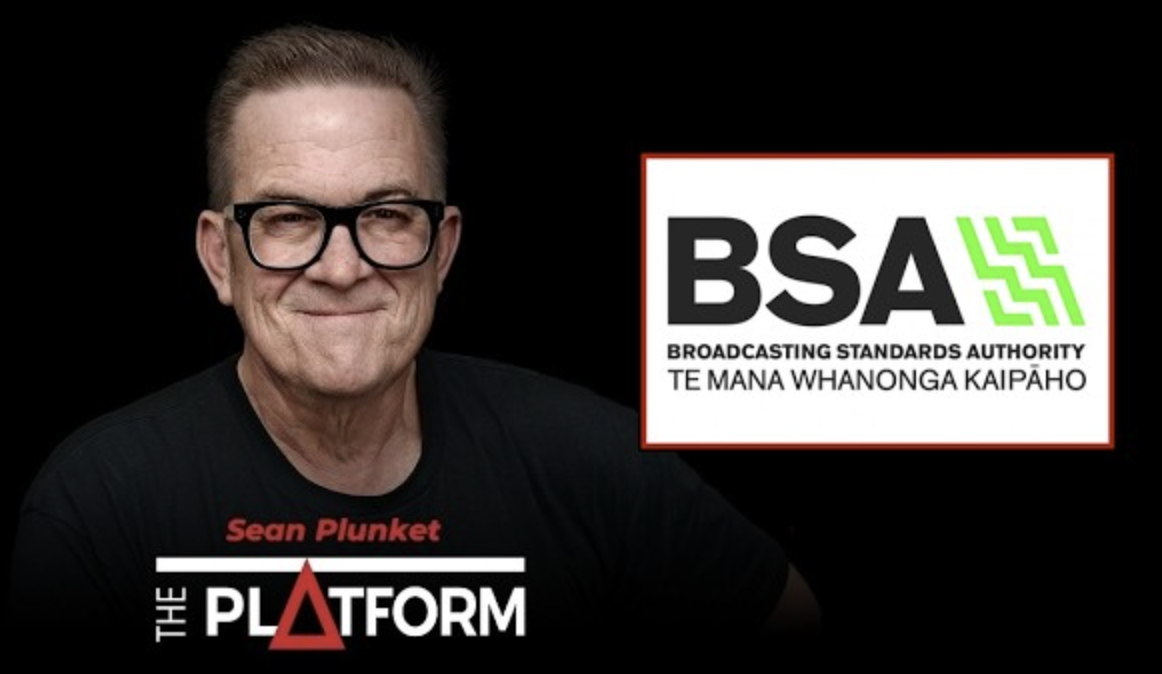
Legislation to get rid of the Broadcasting Standards Authority has been introduced to Parliament following a campaign led by The Platform founder Sean Plunket that pushed the regulator’s attempt to oversee online media into the national spotlight.
Media and Communications Minister Paul Goldsmith said the Government had fulfilled its promise to introduce the legislation before Parliament rose.
“Today we’re delivering,” Goldsmith said.
Plunket told chrislynchmedia.com on Tuesday he was pleased the coalition Government had followed through.
“I’m heartened the coalition Government delivered on this promise. I was doubtful they were going to be able to do it before Parliament rose, but it shows clear intent and means New Zealanders can enjoy the full benefits of accessing the internet and exercising their freedom of speech.”
Asked about the loss of the BSA, Plunket said, “They only have themselves to blame.”
Goldsmith said media regulations had failed to keep pace as audiences moved between traditional broadcasting, podcasts, online platforms and content available on demand.
“The reality is, the BSA regime was designed for a broadcasting environment that is rapidly disappearing,” Goldsmith said.
The Government announced in May that it intended to abolish the authority, shortly after a major jurisdiction dispute involving Plunket and The Platform.
The dispute began with a complaint about a July 2025 programme in which Plunket discussed Fire and Emergency New Zealand’s kaupapa Māori strategy and referred to tikanga Māori as “mumbo jumbo”.
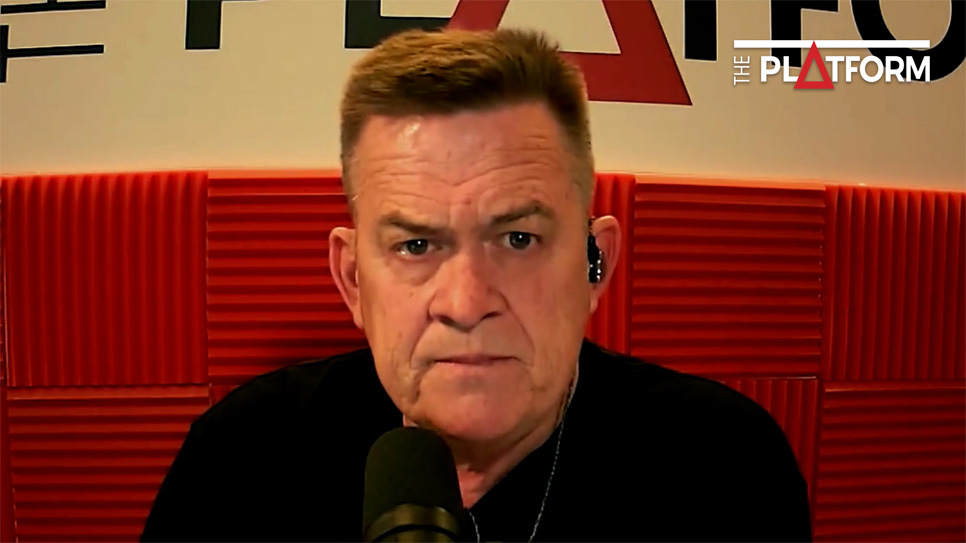
Sean Plunket on the popular online show The Platform
The Platform argued it was an online media outlet and therefore outside the authority’s jurisdiction under the Broadcasting Act 1989.
After receiving a draft jurisdiction decision from the authority in October 2025, Plunket used his programme to challenge the regulator and call for its abolition.
“This is the biggest threat to The Platform and its ongoing survival and the freedom of speech that we were set up to encourage,” Plunket told listeners.
His challenge attracted support from New Zealand First leader Winston Peters, ACT leader David Seymour and free speech advocates who accused the authority of extending its powers beyond what Parliament intended.
In April, the authority confirmed it had jurisdiction to consider the complaint, marking the first formal complaint involving an online broadcaster under a policy adopted in 2020.
The authority argued that excluding online broadcasters could create a significant gap in public protections.
The Government announced its intention to disestablish the authority the following month, saying the existing system created inconsistent and unfair outcomes for media organisations publishing similar content through different platforms.
The BSA later upheld aspects of two complaints involving The Platform. One concerned Plunket’s comments about tikanga Māori, while the other related to his treatment of the complainant during a subsequent broadcast.
The authority said the first complaint concerned the wider context of the programme rather than the “mumbo jumbo” comment alone.
No orders were imposed because of the new circumstances, the time taken to resolve the jurisdiction question and the changing regulatory environment.
Goldsmith said greater industry self regulation would provide a more practical and consistent system across different forms of media.
Print publications already regulate themselves through the New Zealand Media Council, which also has several broadcasters among its members.
Goldsmith said the Government expected the Media Council to become the primary regulator for journalism once the BSA was abolished.
The Broadcasting Standards Authority will continue operating until the legislation passes into law.