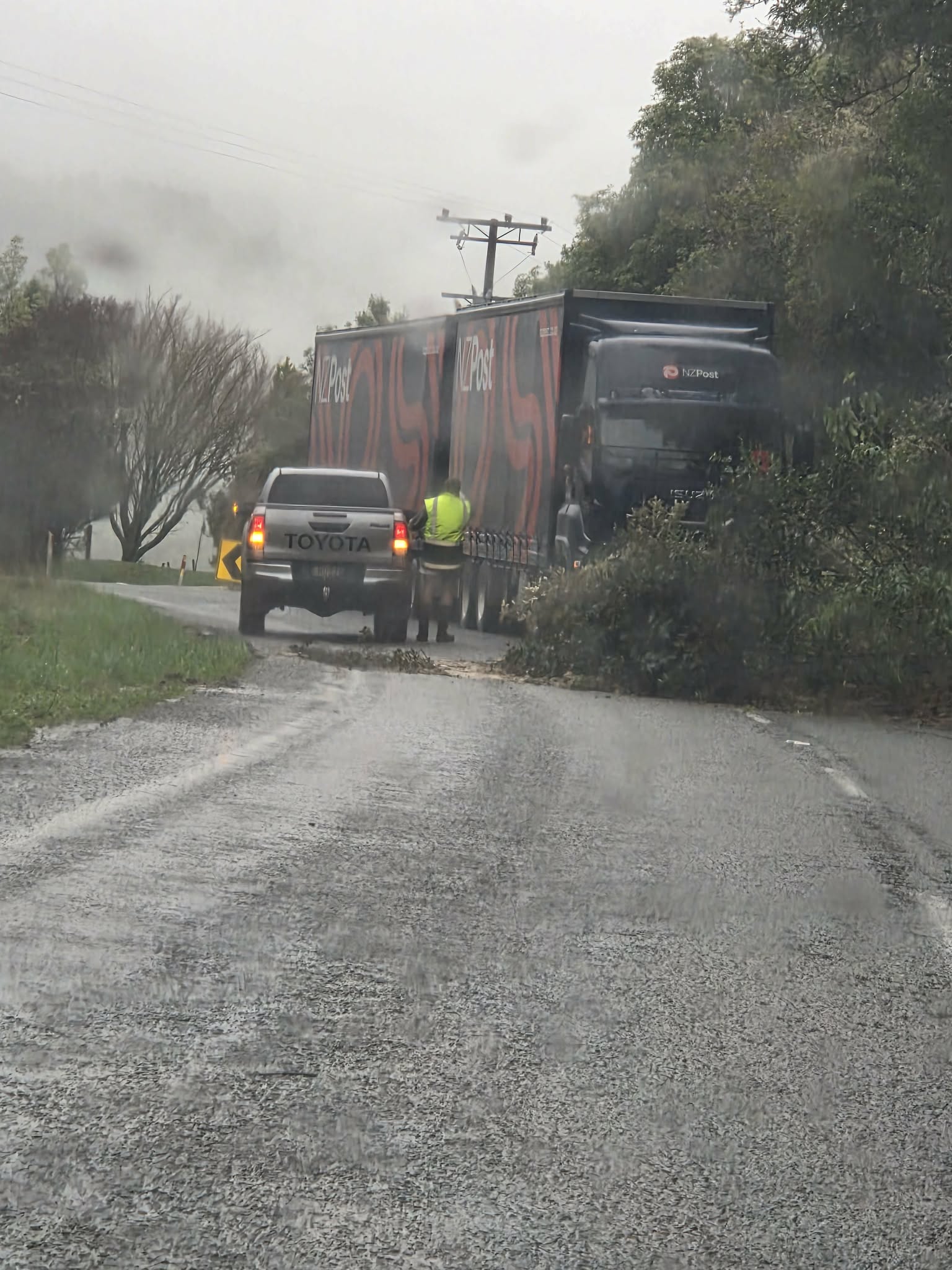
Escaped youth tracked by Eagle helicopter, found hiding in New Brighton
The young person who escaped from a youth justice facility in Rolleston has been located...


The young person who escaped from a youth justice facility in Rolleston has been located...

A person has been seriously injured on State Highway 75, Christchurch Akaroa Road. A police...

BodyFix Gym Christchurch in Phillipstown has taken out two major honours at the Exercise New...

Local MPs have found areas of agreement on major Resource Management Act reforms, during a...

A series of public events have been organised across Christchurch and Lyttelton over the coming...

A woman was taken to hospital after a ‘water incident’ at Parakiore Recreation and Sport...

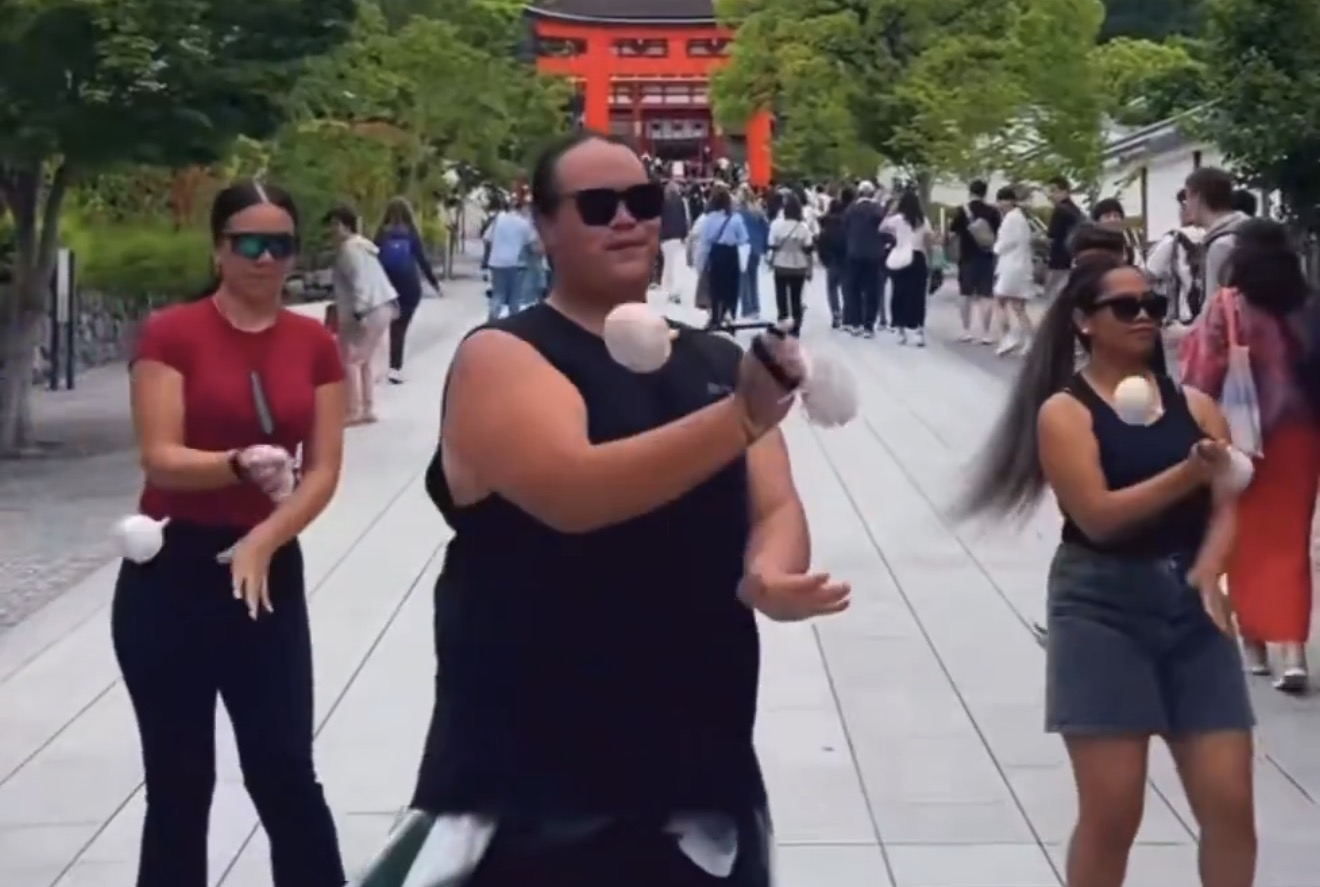
A Māori poi performance at one of Japan’s most sacred shrines has sparked condemnation from Japanese social media users, as Auckland University of Technology confirms the man involved is one of its lecturers and says he has apologised.
Footage showing Dr Tangaroa Paora performing with poi at Fushimi Inari Taisha in Kyoto has attracted over 9 millions of views online on X alone.
The video shows Paora performing in front of the shrine’s famous red torii gates as other visitors move through the area.
Japanese social media users criticised the man’s performance as disrespectful, saying the shrine was a place of worship rather than a performance venue.

Dr Tangaroa Paora
Another widely circulated criticism said the shrine was not a nightclub dance floor or a backdrop for social media content.
Japanese coverage has reported growing criticism over videos of foreign visitors dancing at the shrine, with the controversy centred on the distinction between treating Fushimi Inari as a tourist attraction and respecting it as an active religious site.
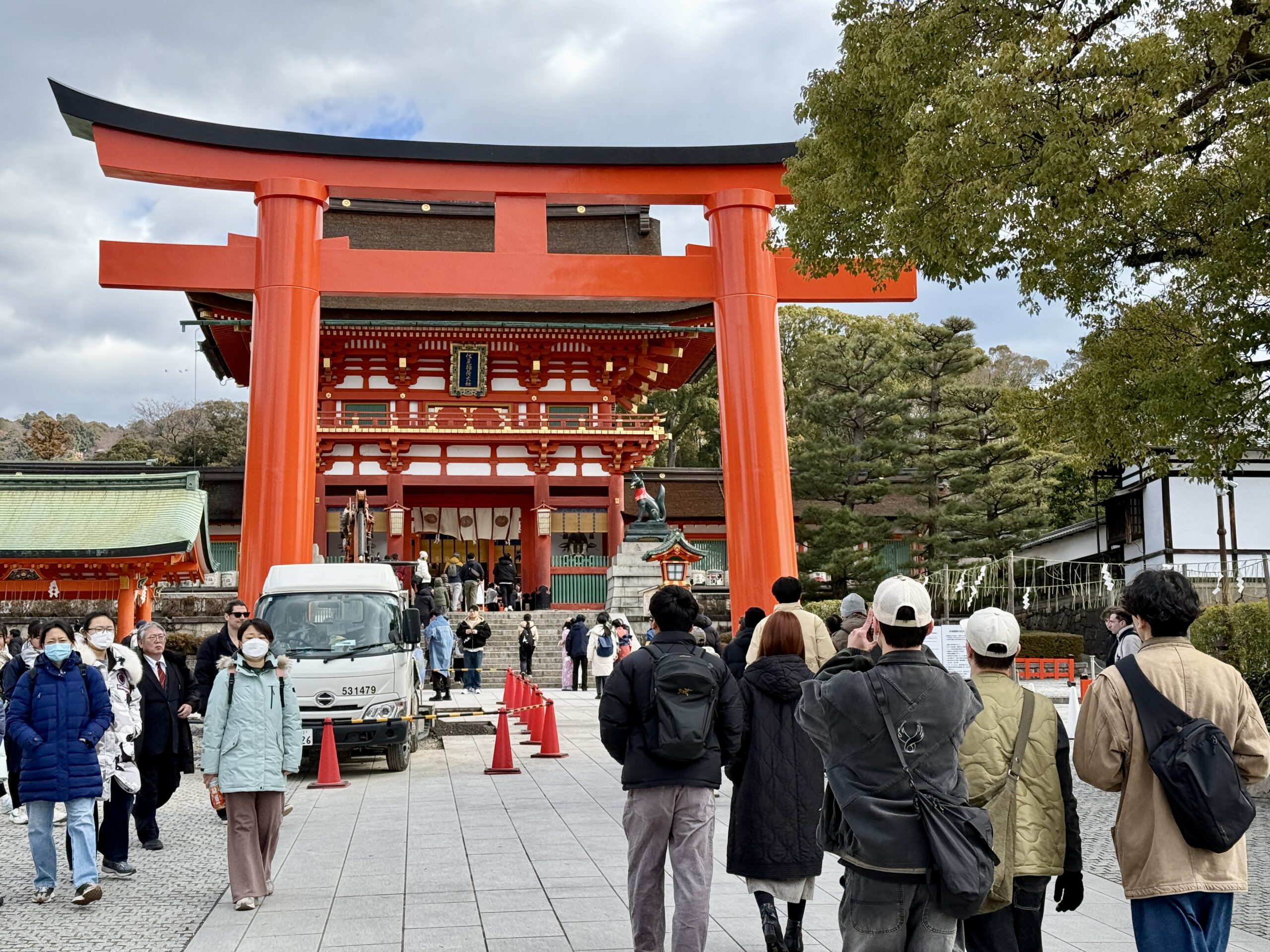
Fushimi Inari Taisha in Kyoto / photo: Chris Lynch Media 2025
“I can confirm the person in the video is Dr Tangaroa Paora,” an AUT spokesperson said.
“This was a personal video, and the visit was in a personal capacity. AUT understands Dr Paora has acknowledged the mistake and apologised wholeheartedly for any offence caused.”
Paora is an academic at AUT whose research has included Māori performance. His research has focused on gender roles and their impact on forms of Māori performance.
The controversy comes as Fushimi Inari Taisha itself issues a warning about dancing and other performances on its grounds.
In a notice published on September 7, the shrine said it had observed behaviour which disrupted worship and inconvenienced other visitors, including people obstructing pathways for photography, dancing and other performances.
“Fushimi Inari Taisha has been a sacred place of worship and prayer for more than 1,300 years, since its establishment in 711,” the shrine said.
It asked visitors to “behave respectfully and appropriately in this sacred place of worship so that everyone may pray and visit in peace.”
The shrine said staff would approach and caution people when inappropriate behaviour was observed.
Fushimi Inari already had rules governing visitor behaviour before the latest controversy.
Rules published in 2022 prohibit actions which cause problems for worshippers, filming or photography which prevents worshippers moving through narrow paths, and other behaviour the shrine considers inappropriate.
People who breach the rules can be asked to stop or leave the grounds.
The debate has also drawn a response from Māori New Zealand professional wrestler HENARE.
Responding to footage of the poi performance, HENARE said dancing at sacred places was also contrary to Māori custom and apologised on behalf of Māori.
Paora didn’t to respond to questions from Chris Lynch Media but has since apologised on X.

Screenshot