Escaped youth tracked by Eagle helicopter, found hiding in New Brighton
The young person who escaped from a youth justice facility in Rolleston has been located...


The young person who escaped from a youth justice facility in Rolleston has been located...

A person has been seriously injured on State Highway 75, Christchurch Akaroa Road. A police...

BodyFix Gym Christchurch in Phillipstown has taken out two major honours at the Exercise New...

Local MPs have found areas of agreement on major Resource Management Act reforms, during a...

A series of public events have been organised across Christchurch and Lyttelton over the coming...

A woman was taken to hospital after a ‘water incident’ at Parakiore Recreation and Sport...
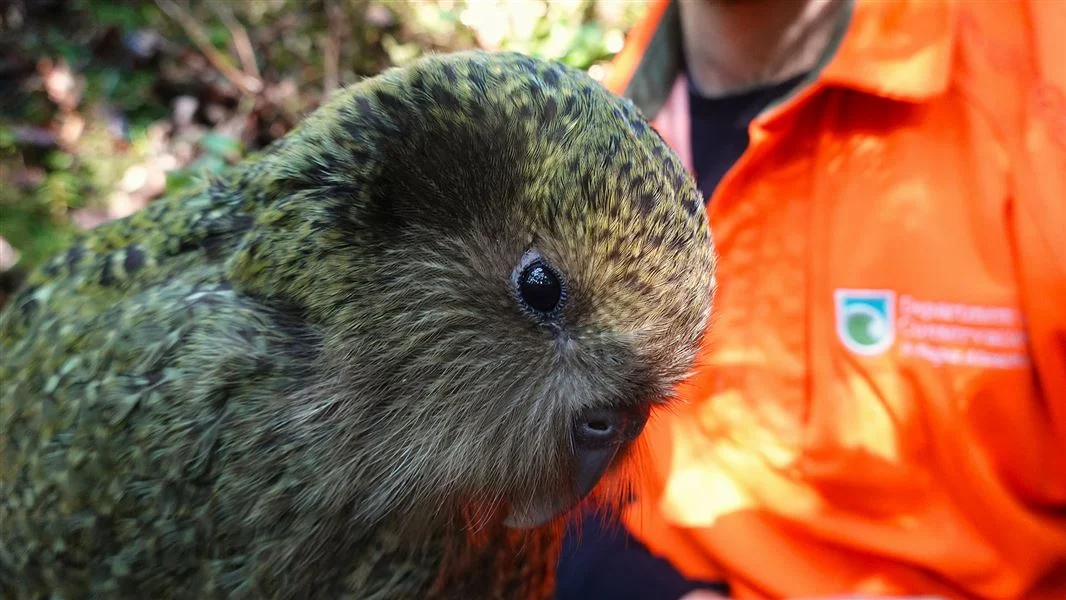
The official kākāpō population has reached 325 birds, the highest level recorded in the modern recovery era.
Ninety chicks from the 2026 breeding season were added to the official population on Tuesday after the youngest surviving chick reached 150 days of age, the point at which young kākāpō are considered fledged and independent.
Department of Conservation Kākāpō Recovery Operations Manager Deidre Vercoe said the increase followed an exceptional breeding season.
“We had a four year gap between breeding seasons, so it’s fantastic to finally see the population increase after all that time. It’s also a significant milestone for the species, as the last time the population is thought to have exceeded 300 birds may have been as long as 75 years ago.”
DOC’s Kākāpō Recovery Programme began in 1995 with just 51 birds, including only 20 females.
Since then, the species has gone through 13 breeding seasons, with recovery work focused on challenges including low genetic diversity, infertility and poor hatching success.
“There is still a long road of recovery ahead, but ninety chicks in a single season is a record. In the early years of recovery, it took 16 years to produce that many chicks,” Vercoe said.
Te Rūnanga o Ngāi Tahu representative on the Kākāpō Recovery Group Tāne Davis said success was not only about increasing numbers.
“This season, the programme trialled several approaches aimed at reducing intensive management, such as fewer egg and chick checks through careful monitoring of remote nest technology data, and reducing supplementary feeding,” Davis said.
“Our focus is increasingly on determining where intensive intervention is still needed and where we can start to return to more natural levels of kākāpō breeding outcomes.”
Davis said the season had also reinforced the need for more predator free habitat.
“All but one of the founders of the modern population came from Rakiura, so seeing their ancestral home become safe for them to one day return remains a key aspiration.”
Many of this year’s chicks are expected to receive names on the anniversary of their hatch days in February and March next year.
A small number will remain unnamed, with the first unnamed kākāpō in the modern recovery programme intended to represent a gradual move towards a more natural future for the species.
Vercoe said the season’s success had relied on support from partners, volunteers and supporters.
“Kākāpō Recovery is a team effort. We’re incredibly grateful to everyone who contributes their time, expertise and support to helping secure the future of this taonga.”
Meridian Energy has supported the programme as its national partner since 2016 through funding, infrastructure development, engineering expertise and volunteering.
Meridian Chief Executive Mike Roan said the population had grown by more than 200 birds since the partnership began.
“We’re proud of the progress made over the past 10 years and excited to be part of the programme’s evolution as it works towards a future where kākāpō can thrive in more places across Aotearoa.”
Early modelling suggests the next breeding season could take place in 2028.
“Our modelling indicates there may be only a two year gap between breeding seasons this time round. So, while we’ll take a moment to stop and reflect on this remarkable year, we’re already looking ahead to 2028 and preparing for what could come next,” Vercoe said.
There are currently three breeding populations on Whenua Hou Codfish Island near Rakiura, and on Pukenui Anchor Island and Te Kāhaku Chalky Island in Fiordland.