Escaped youth tracked by Eagle helicopter, found hiding in New Brighton
The young person who escaped from a youth justice facility in Rolleston has been located...


The young person who escaped from a youth justice facility in Rolleston has been located...

A person has been seriously injured on State Highway 75, Christchurch Akaroa Road. A police...

BodyFix Gym Christchurch in Phillipstown has taken out two major honours at the Exercise New...

Local MPs have found areas of agreement on major Resource Management Act reforms, during a...

A series of public events have been organised across Christchurch and Lyttelton over the coming...

A woman was taken to hospital after a ‘water incident’ at Parakiore Recreation and Sport...

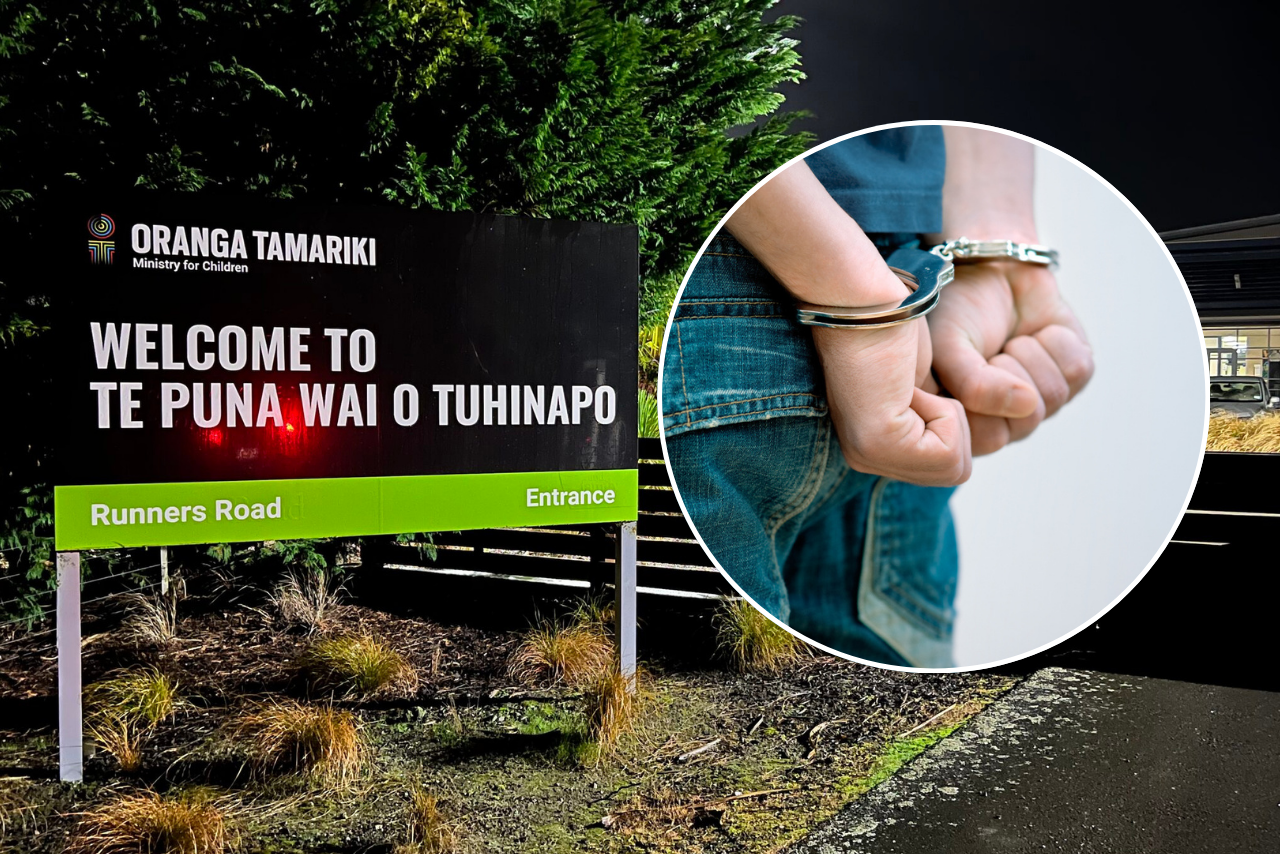
EXCLUSIVE: Staff at the Rolleston youth justice facility were assaulted 57 times in the past 12 months, with 19 of those assaults causing injury, official information released to chrislynchmedia.com shows.
There were a further 32 attempted assaults on staff at Te Puna Wai ō Tuhinapo over the same period, taking the total number of recorded incidents to 89.
The figures cover 1 August 2025 to 31 July 2026 and were released under the Official Information Act by Oranga Tamariki deputy chief executive of youth justice services and residential care Dean Winter.
It follows revelations by chrislynchmedia.com published on 1 August, where a former staff member said a colleague had been stabbed in the face by a young person at the facility and admitted to hospital.
Winter confirmed at the time that a staff member had been assaulted and sustained moderate injuries in one incident, and that a young person had attempted to assault a staff member in a second.
The former staff member, who asked not to be identified because of fear of repercussions, said multiple staff had been assaulted and that it was taken as normal.
The new figures support the former staff member’s claim that multiple assaults had occurred at the facility.
Of the 57 assaults, 18 were recorded as alleged assaults on staff, six of which caused injury.
The remaining 39 happened while staff were attempting to restrain a young person, and 13 of those caused injury.
Any physical contact may be recorded as an assault and the term does not differentiate between levels of severity, Winter said.
The Oranga Tamariki (Residential Care) Regulations 1996 allow the use of physical force to manage behaviour where there are reasonable grounds to believe it is necessary.
Te Puna Wai ō Tuhinapo is one of New Zealand’s youth justice residences, holding young people remanded or sentenced by the Youth Court. It is run by Oranga Tamariki, the Ministry for Children.
There is no mandatory staff to young person ratio at the facility. Ratios are determined by the operational needs of each residence and can change depending on the cohort and the support needs of individual young people, Winter said.
A request for the number of times the facility had operated below a required staffing level was refused under section 18(e) of the Act, on the grounds that no such document exists.
The former staff member had described units running with three staff supervising up to 10 young people aged up to 17.
Young people can also open their bedroom doors from the inside and leave their rooms without staff assistance, as the former staff member said. Staff are on duty in the units overnight and young people can use a call bell or come out and speak to staff, Winter said.
Under the 1996 regulations, young people cannot be locked in any room, with specific exceptions for secure care units. Youth justice residences operate under different legislation from adult prisons, where inmates may spend most of their time in cells.
Chris Lynch Media put a series of further allegations to Oranga Tamariki, including that management had downplayed assaults and had not adequately supported affected staff, and that the facility relied regularly on overtime, staff working rostered days off and casual employees to maintain safe staffing.
Other allegations included that a recent unauthorised departure was described internally as a young person being “off site” with no apparent consequences on their return, that vapes had repeatedly been brought into the facility, and that morale was extremely low.
Oranga Tamariki did not address any of the allegations directly. Staff could raise concerns through managers, the residences Health, Safety, Security and Wellbeing Forum, staff surveys, employment or complaints processes, and union representatives, Winter said.
“Senior leadership listens and responds to feedback and will take appropriate action where required,” the response said.
Support offered to staff after an assault depends on the nature of the incident, and can include first aid on site or assistance to get medical attention elsewhere, Winter said. Where treatment or time off work is required, staff receive financial, social and return to work support managed by a third party injury management provider.
Psychological support is offered where appropriate, and all staff have access to an employee assistance programme providing free and confidential counselling and Rongoā Māori support. On site critical incident support may also be arranged depending on the severity of an incident.
The response also set out how the facility’s Behaviour Management System works.
Young people earn points daily for participation, interactions with others, meeting goals and personal appearance, including tidying rooms and cleaning clothes. Points are removed for breaking rules, causing harm to others including threatening gestures or language, and intentional damage or tampering with property.
Daily scores allow young people to move up levels, to a maximum of Level 3, which must be sustained to be retained.
Rewards at the higher levels include a later bedtime, television privileges, a supervised outing for a leisure activity, extra use of the basketball court or weights area, shared lunches with other Level 3 residents, and the chance to represent others on the Youth Council.
Young people on Level 1 receive no credits. Those on Level 2 receive one credit a day and those on Level 3 receive two, which can be spent in a store on snacks, toiletries or socks.
Staff supervising weight training must hold a relevant qualification such as sports science or exercise, and equipment is safety checked before and after use.
The system is designed to support positive behaviour change alongside therapeutic programmes addressing behavioural, criminogenic and health needs, and is currently being updated, Winter said.
The safety and wellbeing of young people and staff in youth justice residences is a priority, but young people in the facilities often have complex needs and high risk behaviours, Winter said.