Escaped youth tracked by Eagle helicopter, found hiding in New Brighton
The young person who escaped from a youth justice facility in Rolleston has been located...


The young person who escaped from a youth justice facility in Rolleston has been located...

A person has been seriously injured on State Highway 75, Christchurch Akaroa Road. A police...

BodyFix Gym Christchurch in Phillipstown has taken out two major honours at the Exercise New...

Local MPs have found areas of agreement on major Resource Management Act reforms, during a...

A series of public events have been organised across Christchurch and Lyttelton over the coming...

A woman was taken to hospital after a ‘water incident’ at Parakiore Recreation and Sport...

New Zealand farmers are spending an estimated $466 million a year controlling pests and absorbing production losses, but a new survey shows the problem is continuing to worsen.
Federated Farmers’ second National Pests Survey found two thirds of farmers believed pest numbers had increased during the past five years, compared with about half of respondents in 2024.
Farmers were spending an average of $6.18 per hectare each year on pest control, an increase of about 13 percent in two years.
Federated Farmers pest management spokesperson Richard Dawkins said individual landowners could only achieve so much while pests continued moving onto farms from neighbouring properties.
“We can’t keep asking farmers to win a landscape scale battle one boundary fence at a time,” Dawkins said.
“New Zealand needs a properly funded national pest management strategy that sets clear responsibilities for farmers, forestry, councils and the Crown.”
Farmers, their families and staff carried out pest control on more than nine in every 10 farms, while other recreational hunters helped on about half of the properties surveyed.
Despite that effort, almost one in three farmers had reduced stocking rates because pests were consuming pasture, compared with one in nine in 2024.
“There’s already a huge amount of hunting happening across rural New Zealand, and pest populations are still increasing,” Dawkins said.
“We are not going to shoot our way out of this problem one weekend at a time.”
Farmers also reported crop and infrastructure damage, reduced yields and losses from diseases spread by pests.
One respondent estimated a leptospirosis outbreak had cost about $100,000 after causing widespread abortions among ewes and heifers. The farmer believed wild pigs entering from neighbouring properties were responsible.
Neighbouring forestry and Crown land were identified as the main sources of pest reinvasion, rather than other farms.
Dawkins said lifestyle block owners, forestry operators and managers of Crown and conservation land should also be required to control pests, with regional councils monitoring compliance.
“Farmers should not be left carrying the cost when deer and pigs spill across the boundary,” he said.
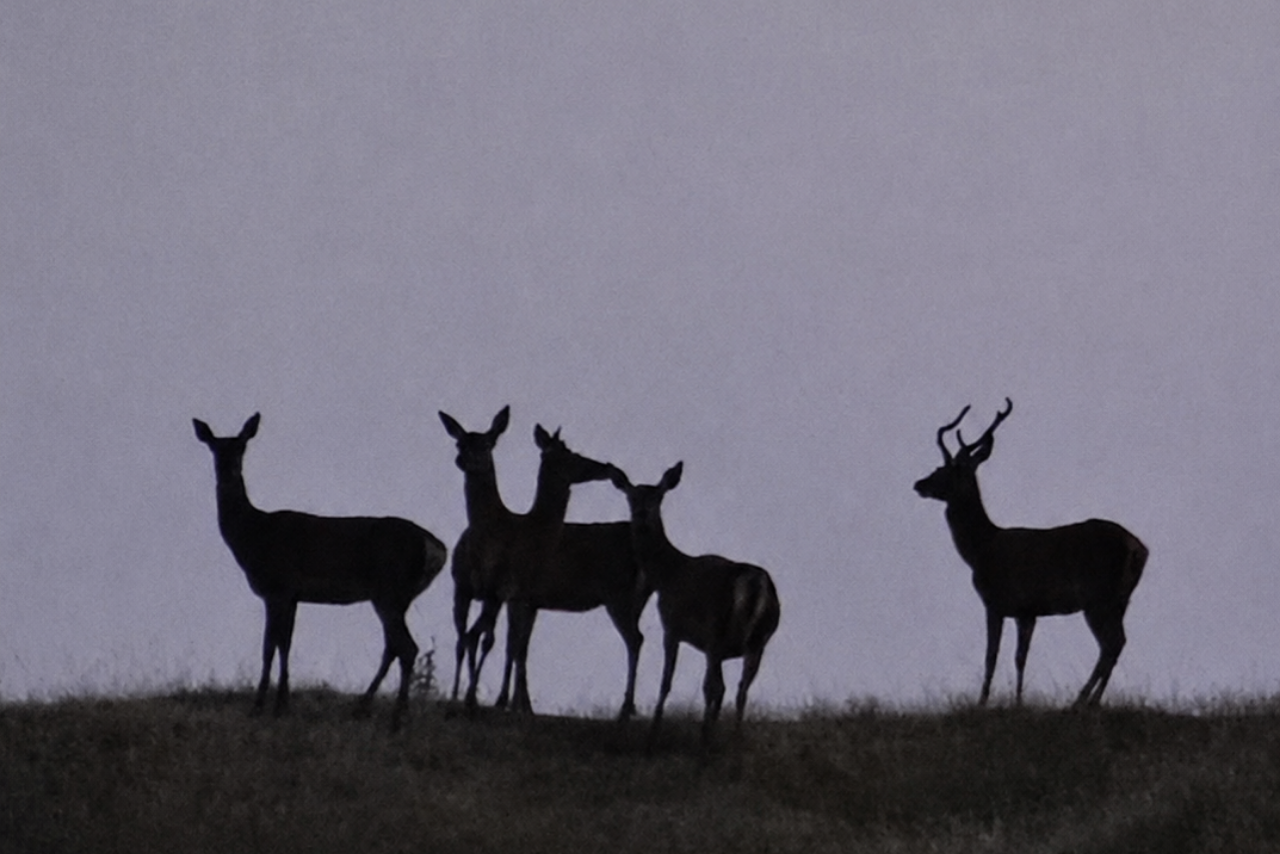
The number of deer culled per hectare had more than doubled since 2024, while the proportion of farmers actively managing deer had increased by 13 percent.
Deer ranked third nationally for overall impact and were identified as the worst pest by more farmers than any species other than possums.
The survey found 83 percent of pest managers believed the pest species on their properties had no economic value to them.
Dawkins said independently determined population targets should reflect the damage pests caused to farms, forests and native vegetation.
Wild pigs, Canada geese and wallabies were also increasing, while farmers reported possum numbers were rebuilding as tuberculosis control programmes were reduced.
“We’ve diagnosed the problem to death. It’s time to actually treat it,” Dawkins said.