Escaped youth tracked by Eagle helicopter, found hiding in New Brighton
The young person who escaped from a youth justice facility in Rolleston has been located...


The young person who escaped from a youth justice facility in Rolleston has been located...

A person has been seriously injured on State Highway 75, Christchurch Akaroa Road. A police...

BodyFix Gym Christchurch in Phillipstown has taken out two major honours at the Exercise New...

Local MPs have found areas of agreement on major Resource Management Act reforms, during a...

A series of public events have been organised across Christchurch and Lyttelton over the coming...

A woman was taken to hospital after a ‘water incident’ at Parakiore Recreation and Sport...

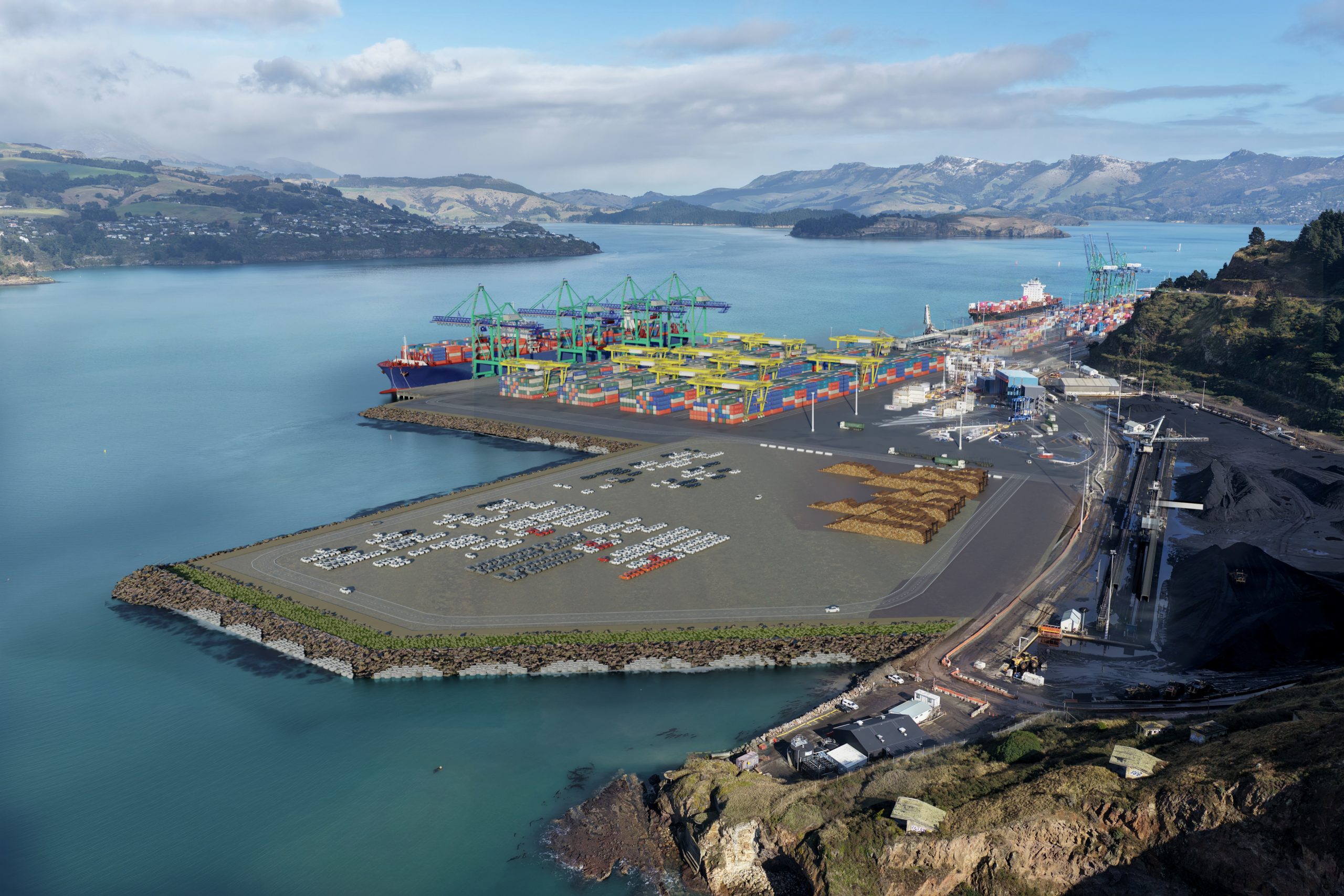
Lyttelton port unions are demanding greater transparency over the $821 million Te Awaparahi Bay expansion, questioning its financial assumptions and warning that workers have not been properly consulted about automation.
The Maritime Union of New Zealand and Rail and Maritime Transport Union said Lyttelton Port Company and Christchurch City Holdings should pause further decisions until more information was released about funding, debt and workforce changes.
Maritime Union Lyttelton branch secretary Gerard Loader said port management had continued making major decisions without meaningful consultation with frontline workers or the wider community.
He said workers whose jobs would be directly affected had been sidelined despite their operational experience.
“This top down management culture must end immediately,” Loader said.
The unions said they opposed the introduction of automation technology without detailed discussions with affected workers and their representatives.
The expansion will include a 388 metre deepwater wharf, a new five hectare container terminal, four ship to shore cranes and semi automated gantry cranes.
It is expected to increase the port’s annual berth capacity to about 850,000 standard container units and allow vessels carrying up to 15,000 units to use the terminal.
The project is expected to take five years and be completed by 2031.
Rail and Maritime Transport Union Lyttelton Port branch secretary Mark Wilson questioned the forecasts supporting the investment and said the commercial case should be subjected to greater public scrutiny.
He said capital should not be committed to a speculative project while questions about governance, accountability and consultation remained unresolved.
“With the expansion estimated to cost upwards of $800 million, how much financial risk and debt or asset sales are being loaded onto Council owned companies while key commercial details remain hidden from the public?” Wilson said.
Christchurch City Holdings plans to provide around $300 million in equity, with Lyttelton Port Company funding the remainder through debt drawn down during construction.
Christchurch City Holdings is considering several options to fund its contribution, including borrowing, using capital from its wider investment portfolio and seeking equity support from Christchurch City Council.
Lyttelton Port Company said the project would not be funded through rates.
The project is legally considered a major transaction because its value exceeds half of Lyttelton Port Company’s total assets.
Christchurch City Holdings said its board spent seven months reviewing the proposal, including its strategic need, business case, funding pathway and expected benefits.
Christchurch City Holdings chair Bryan Pearson said the approval reflected confidence in Christchurch and the wider South Island economy.
“This approval by CCHL reflects confidence in Christchurch, the South Island economy and our strong belief in Lyttelton Port Company’s role as the South Island’s key international trade gateway,” Pearson said.
Acting Mayor Victoria Henstock said the development represented a major vote of confidence in Christchurch and the wider region.
“This is one of the largest infrastructure investments Christchurch has seen in recent decades and is about backing the future of our city, Canterbury and the South Island,” Henstock said.
“It sends a clear message that Christchurch is prepared to invest in the infrastructure needed to support future economic growth across the South Island and ensures we are well positioned to seize the opportunities ahead.

Acting Mayor Victoria Henstock
“It is also about supporting our exporters and businesses, creating jobs and prosperity, strengthening our supply chains, and building the capacity our growing region will need.”
Henstock said the project would be funded through debt and equity from Christchurch City Holdings.
The unions said the financial arrangements needed to be explained in greater detail and that the company’s review did not replace consultation with workers and communities affected by the development.
Automation is expected to change some container handling and yard jobs. Lyttelton Port Company plans to establish a terminal operations centre that will operate around the clock and oversee parts of the automated system.
The company said the technology was not intended to produce a sudden reduction in staffing. It expected some existing roles to change while new technical and specialised positions were created.
It said workers and unions would be consulted about training, redeployment and future roles as the project progressed.
However, the unions said consultation needed to happen before decisions were made, rather than after technology and investment plans had already been approved.
The unions also challenged the volume forecasts underpinning the investment.
For context, Lyttelton Port Company’s 2025 annual report recorded 431,556 container units for the financial year, down 3.7 percent from the previous year.
The new terminal is designed to provide annual berth capacity of about 850,000 units.
Lyttelton Port Company said three independent reviews had examined future demand and concluded that container growth was expected to broadly follow economic growth.
The company also expected larger ships and more South Island export cargo to move through Lyttelton in future.
Its business case allows construction spending to be slowed if growth is weaker than expected, and the company said the investment remained viable under lower growth modelling.
Customers will pay more to use the container terminal. The company said increased charges and anticipated volume growth would help it service the additional debt.
Lyttelton Port Company chief executive Graeme Sumner said ageing infrastructure and earthquake resilience were major reasons for proceeding.
The existing container facilities at Cashin Quay 3 and 4 were damaged during the Canterbury earthquakes and later repaired. The port said they remained safe to use but would probably become unusable following another major earthquake.
“Rebuilding them would take at least three years and significantly disrupt container operations,” Sumner said.

Lyttelton Port Company chief executive Graeme Sumner
“Building the Te Awaparahi Bay expansion removes the need to rebuild these wharves and allows the port to continue operating at full capacity.”
The unions said they were not opposed to investment in the port but wanted Lyttelton Port Company to release more financial information and begin genuine consultation before progressing its automation plans.
They called for the port company to explain the project’s financial risks and provide workers, local Māori leaders and community representatives with a meaningful role in decisions about the port’s future.