Escaped youth tracked by Eagle helicopter, found hiding in New Brighton
The young person who escaped from a youth justice facility in Rolleston has been located...


The young person who escaped from a youth justice facility in Rolleston has been located...

A person has been seriously injured on State Highway 75, Christchurch Akaroa Road. A police...

BodyFix Gym Christchurch in Phillipstown has taken out two major honours at the Exercise New...

Local MPs have found areas of agreement on major Resource Management Act reforms, during a...

A series of public events have been organised across Christchurch and Lyttelton over the coming...

A woman was taken to hospital after a ‘water incident’ at Parakiore Recreation and Sport...

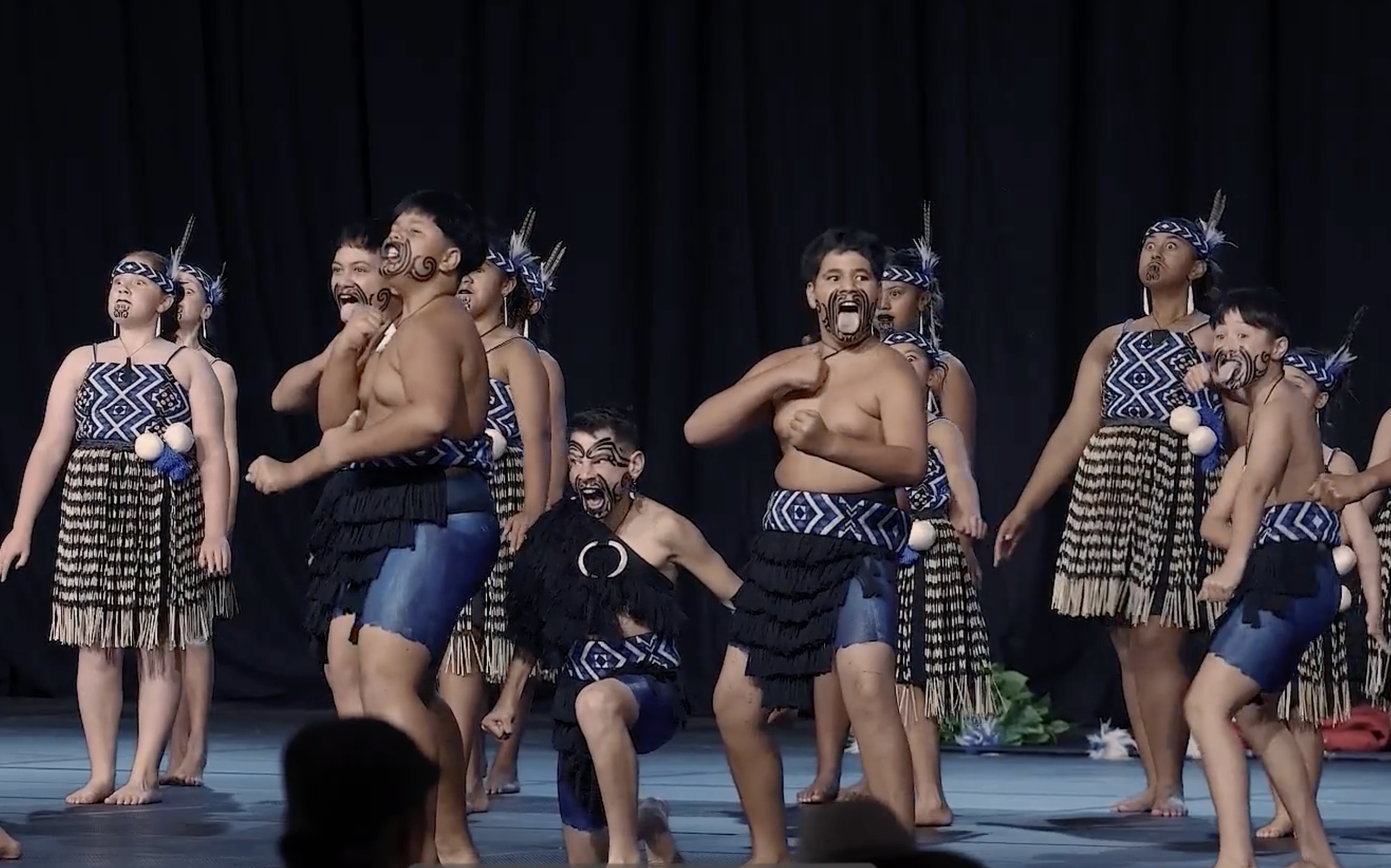
Kapa haka is experiencing strong growth across Te Tauihu, with thousands of performers, whānau and supporters taking part in the traditional Māori performing art.
Te Tauihu covers the top of the South Island, including Nelson, Tasman and Marlborough.
Participation has grown from primary and secondary school level through to senior kapa haka, with kaihaka now representing a wide range of ethnic backgrounds.
Te Tauihu Kapa Haka Heamana Sonny Alesana said the growth reflected a strong desire among people to connect with their identity, culture and the places where they lived.
“Kapa haka is such an accessible thing. It is in every school. Just about every first fifteen has a haka, every first eleven has a haka,” he said.
“What we are noticing now is the growth in the adult groups, which is because of the young people coming through and continuing to perform at that more senior level.”
Te Tauihu Kapa Haka is the governing body responsible for organising kapa haka competitions and supporting development across the region.
It was established in 1970 as Te Tauihu o te Waka a Māui Māori Cultural Council. Its kaupapa includes fostering kapa haka, supporting te reo me ōna tikanga, strengthening whanaungatanga across the rohe, and providing opportunities for tamariki, rangatahi and whānau.
Alesana said the educational value of kapa haka was one of the most encouraging aspects of its increasing popularity.
“What really excites me is the education aspect. A lot of our people are starting to learn about who they are and where they live through kapa haka,” he said.
“And that is not just Māori. That is everybody across the board. That is the exciting part for me.”
The strength of the movement was evident at the recent Kia Hūkere te Hoe regional festival, which attracted thousands of people to Stadium 2000 in Blenheim.
The two day festival was the largest kapa haka event held in Wairau Marlborough and marked its return to the area after 13 years.
Primary school teams performed through Te Mana Kuratahi, while secondary school teams took part through Kura Tuarua. Senior groups also competed as part of the regional qualifying pathway for Te Matatini 2027.
Alesana said Kia Hūkere te Hoe literally meant “let the paddle move”, but its broader meaning was about people working together to move the waka forward.
“Kia Hūkere te Hoe really is about everybody, including performers. We are what we call kaihoe, the rowers of that waka,” he said.
“When performers, sponsors, the committee and the community are working together, that really moves our waka forward.”
The popularity of the festival created challenges for organisers, particularly when it came to finding a venue large enough for the growing number of performers and supporters.
Rātā Foundation helped fund the hire of Stadium 2000 as part of its eight year partnership with Te Tauihu Kapa Haka.
Alesana said the funding had allowed the festival to accommodate thousands of people rather than being restricted to a smaller school hall.
“We have wanted to return to Blenheim for many years. The momentum we are seeing there is one of the key reasons we have come back,” he said.
“One of the challenges around the growth of kapa haka is that we need bigger venues. This is where Rātā Foundation has been able to help, by providing the resources to hire a venue like Stadium 2000 and provide the space needed to host these events.”
Alesana said the scale of regional kapa haka had changed significantly.
“Before, we were borrowing school halls just to fit 300 or 400 people, but now we have thousands of people coming to this event,” he said.
“Without Rātā, we would not be able to grow the things that we are doing right now.”
Demand was so strong that 11 additional primary school teams could not be included in the festival programme.
Alesana said organisers were considering extending the festival so it could remain true to its kaupapa of welcoming everyone who wanted to perform.
Rātā Foundation Head of Community Investment Kate Sclater said its support was intended to make kapa haka more accessible for current and future generations.
“Our support for Te Tauihu Kapa Haka sits within our Participate funding area, which aims to reduce barriers to participation,” she said.
“One of our priorities is enabling deeper understanding of tikanga Māori through arts, heritage and traditional tākaro.”
Sclater said the growth of kapa haka across Te Tauihu demonstrated the value of investing in activities that connected people across generations.
“Seeing the growth of kapa haka across the region, and the thousands of people it is now reaching, is a powerful reminder of why this is so important,” she said.
“Kapa haka builds identity, strengthens whānau and connects communities in ways that are intergenerational.”