Escaped youth tracked by Eagle helicopter, found hiding in New Brighton
The young person who escaped from a youth justice facility in Rolleston has been located...


The young person who escaped from a youth justice facility in Rolleston has been located...

A person has been seriously injured on State Highway 75, Christchurch Akaroa Road. A police...

BodyFix Gym Christchurch in Phillipstown has taken out two major honours at the Exercise New...

Local MPs have found areas of agreement on major Resource Management Act reforms, during a...

A series of public events have been organised across Christchurch and Lyttelton over the coming...

A woman was taken to hospital after a ‘water incident’ at Parakiore Recreation and Sport...
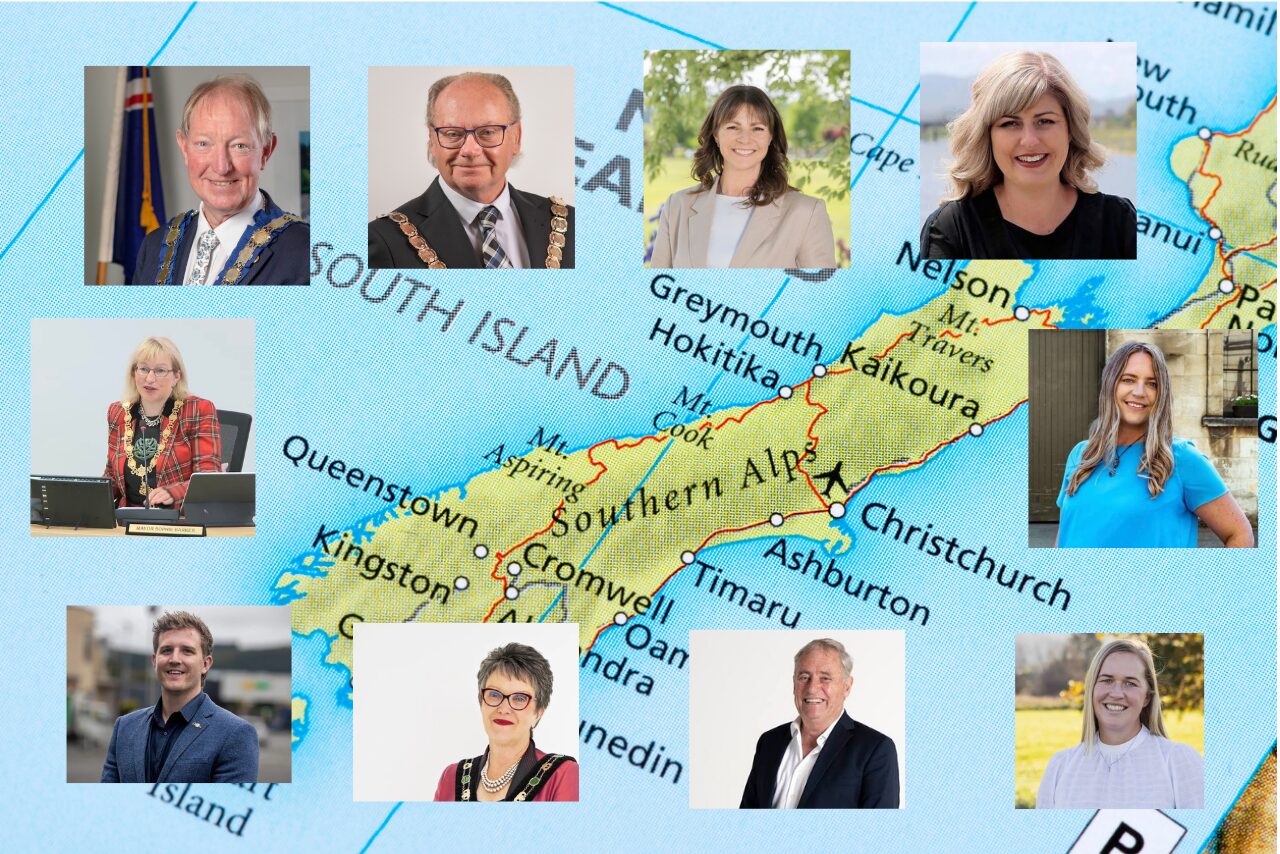
South Island mayors have given chrislynchmedia.com sharply differing views on the Government’s local reforms, with some backing mergers, others still weighing their options, and several warning the process was moving too quickly.
Nelson and Waitaki have settled on preferred options, Canterbury and Otago councils are still testing theirs, while some West Coast leaders say communities have not had enough time to properly consider the changes.
Nelson backs merger
Starting at the top of the South Island, Nelson Mayor Nick Smith backed a single Nelson-Tasman unitary council. “I firmly believe a merger of the Nelson City and Tasman District councils would be the best outcome for our wider region and its residents.
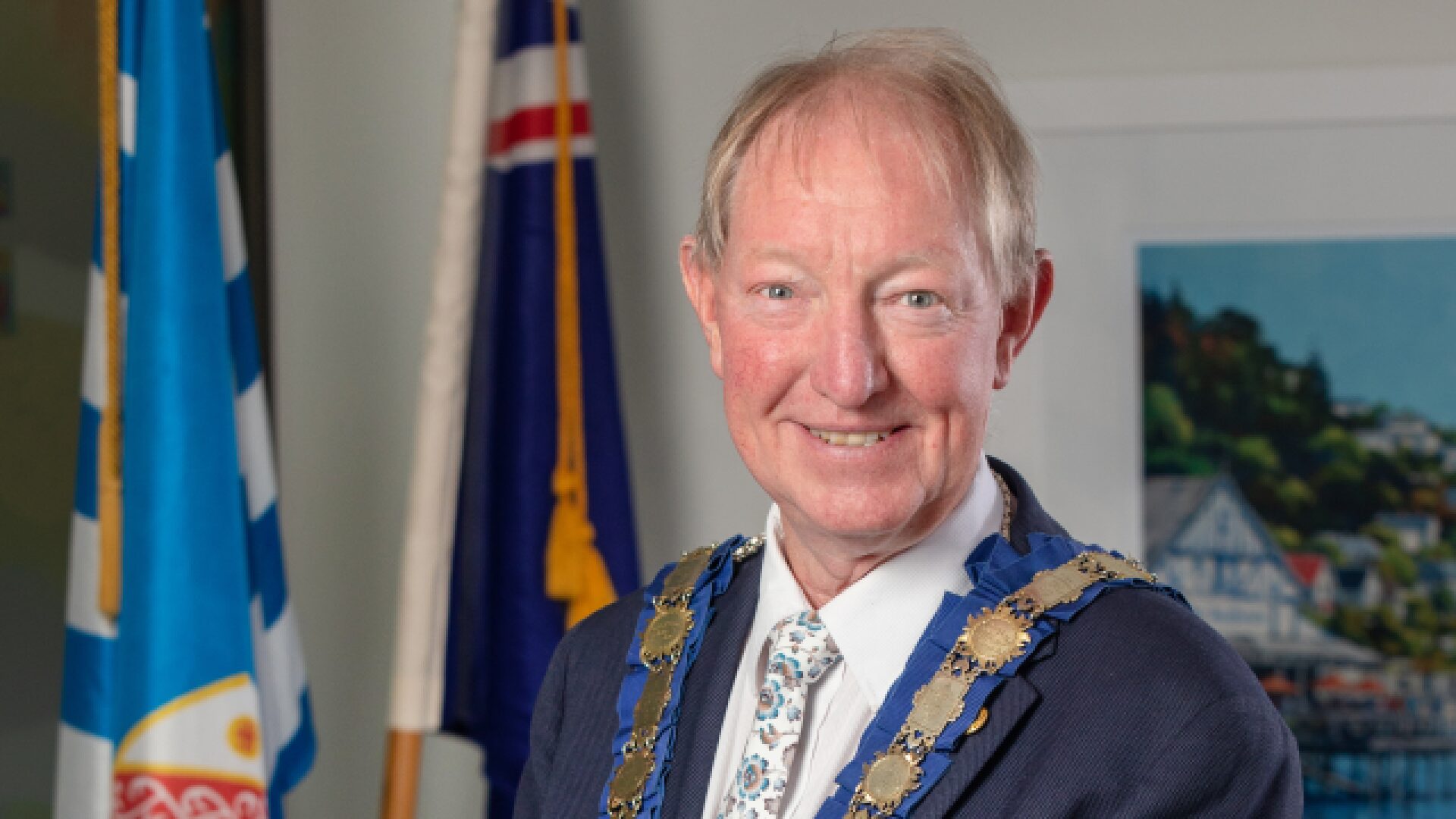
Nelson Mayor Nick Smith
“The case for a single council is obvious to anyone flying over our region, seeing a continuous urban area from Atawhai in Nelson to Richmond in Tasman. The border along Champion Road in Richmond makes no sense. This artificial line splits what is effectively NZ’s ninth largest city of 75,000 people and compromises our efforts to secure a fair share of Government resources.” He ruled out looking to Marlborough.
“My preferred option is a single Nelson-Tasman unitary council. The distance and geography between Nelson and Blenheim, as well as a very different community of interest, means I have no interest in a merger with Marlborough.” But he warned Nelson could miss out, because the Head Start process requires a majority of partner councils to agree.
“Nelson and Tasman are not going to be part of Government’s Head Start process of council mergers that closes on 9 August as a majority by number of councils or by population is required to progress. Tasman is a reluctant merger partner and now has a larger population than Nelson, so have an effective veto on a Head Start proposal of a Nelson-Tasman merger.
“Many councils across New Zealand are taking this opportunity for reform to be more effective and efficient, and my worry is that our Nelson-Tasman region may be left behind.” His message to was “town and country are better together.”
West Coast seeks more time
On the West Coast, Grey District Mayor Tania Gibson and Westland Mayor Helen Lash, in a collaborative response with Buller, said no model has been settled on. “The best outcome is a local government system that is financially sustainable, delivers high quality services and infrastructure, retains strong local representation, and is capable of meeting the West Coast’s future challenges. Whatever model is ultimately recommended needs to be supported by evidence and demonstrate that it delivers better outcomes than the current arrangements.”
Grey District Mayor Tania Gibson
“The biggest challenge is balancing the Government’s timeframe with the need to build a robust evidence base. Communities quite rightly expect clear information on costs, benefits, local representation, service delivery and financial impacts before any long term decisions are made. Ensuring there is sufficient time, funding and technical expertise to do that work properly will be critical.”
“This is the beginning of the conversation, not the end. No final decisions have been made, and there will be further opportunities for communities to help shape the future of local government on the West Coast. The commitment from councils is that any future proposal must be backed by evidence, tested with communities, and shown to deliver better long term outcomes before any final decisions are taken.”
Canterbury weighs options
In Selwyn, Mayor Lydia Gliddon said her council was putting three shortlisted options to residents rather than settling on one itself: a standalone Selwyn unitary authority, a Mid Canterbury authority combining with part of Ashburton District, or a wider catchment based authority joining Selwyn, Christchurch, Waimakariri and Hurunui.
“I believe Selwyn should shape its own future, rather than have it decided for us. As we consider the options, we’re focused on what is realistic, where there are natural alignments, and how we can ensure important functions continue to be delivered effectively.”
“We also need to recognise that issues like freshwater, the environment and growth don’t stop at district boundaries. What happens on one side of a river can affect communities on the other, which is why integrated planning is such an important part of this conversation.”
“We haven’t made a decision on a preferred option. We’re carefully considering each proposal, talking with neighbouring councils and looking at how they stack up. Before council forms a proposal, we need to hear directly from the people of Selwyn.”
Christchurch Mayor Phil Mauger said the city was still weighing its options, with a council decision meeting scheduled for 4 and 5 August following further workshops.
“We’re looking at the real connections between communities: where people work, shop, travel and go to school, and how infrastructure, planning and the economy link up. We also have to think about water and the environment, because rivers and catchments don’t follow council boundaries.”
“We’re testing the options against evidence, not starting with an answer and working backwards. The key test is simple: could the new council do both jobs well, the local services and the regional ones, across an area that makes sense?”
He listed absorbing Environment Canterbury’s current functions without disruption as one of the biggest challenges. “Picking up the work ECan currently does and making sure it lands well, without any gap in services people rely on.”
“There will always be debate about the best way forward. That’s healthy, and it’s part of the process working. Our councils may well have differing views, I don’t see a problem with that.”
“I do think it is essential we submit a Head Start proposal. Not having a seat at the table, with scope for our residents to be consulted, would be stepping back from our responsibilities I think.”
“Through any change, the services people rely on keep running. Nothing switches off.”
“Residents can be confident their interests are at the centre of this.”
In North Canterbury, Hurunui Mayor Marie Black said “if we had to combine with other districts our community are suggesting that the North Canterbury unitary would be desirable. However, a purely rural unitary with a collaboration between Ashburton, rural Selwyn, rural Waimakariri and Hurunui would reflect an economic powerhouse of Canterbury. The challenge in developing any proposal is having a clear line of sight on where a new authority would deliver efficiencies and savings for ratepayers and residents.”
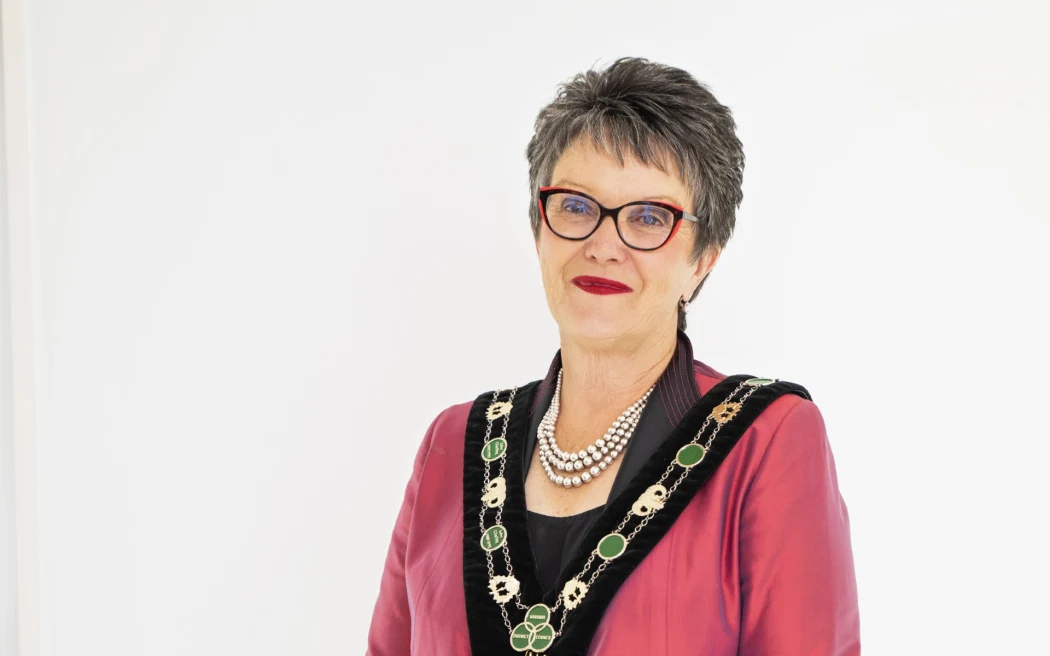
Hurunui Mayor Marie Black
Further south, Ashburton Mayor Liz McMillan said “to amalgamate with like minded communities where we have strong representation and governance and where we don’t lose our identity as Mid Cantabrians. Ashburton is right in the middle of the Canterbury region so we could go either north or south.”
Ashburton Mayor Liz McMillan
McMillan said “at the time of writing, we don’t have a preferred option. Council is meeting this week to discuss the results of the survey. Direction will be given after that.”
Otago divided
In Waitaki, Mayor Melanie Tavendale confirmed her council had settled on a clear preference following an extraordinary meeting looking north to South Canterbury rather than into Otago. “Waitaki District Council’s preferred option is to pursue the Government’s Head Start pathway and develop a proposal for a new unitary council with neighbouring districts, rather than waiting for decisions to be made through the backstop process.”
“The preferred proposal is for a unitary authority including Waimate, Mackenzie, Timaru and Waitaki, while keeping the door open for Ashburton, Clutha and Central Otago if they choose to join the proposal.”
She said “this grouping reflects strong communities of interest, shared infrastructure and environmental challenges, the importance of keeping the Waitaki River catchment together, and the need to work with neighbours who understand both rural and provincial priorities.
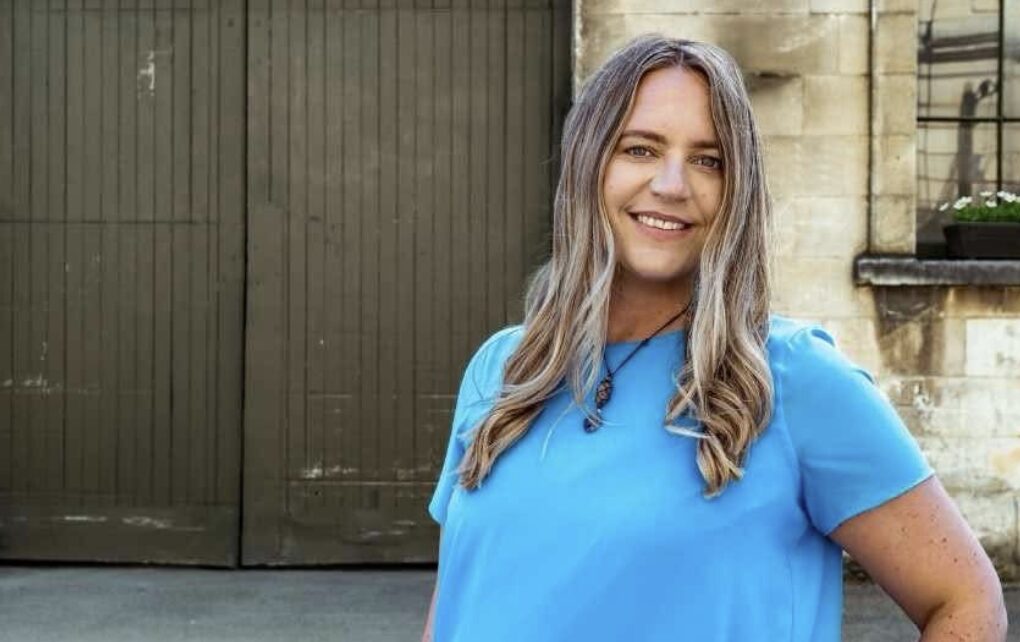
Waitaki Mayor Melanie Tavendale
“Significant change is coming, and the status quo is not an option. Waitaki is choosing to be proactive so we can protect what matters to our communities and help shape a system that is more affordable, more sustainable and better able to serve us in the decades ahead.
“This is not a final decision, and there is still detail to work through. We will keep our communities informed and engaged so people understand the choices, the impacts and the opportunities, and so Waitaki’s voice is heard clearly throughout the process.”
Central Otago Mayor Tamah Alley said her council was keeping its options open. “A model that our communities believe serves them best, one that delivers services efficiently while ensuring the identity of Central Otago remains visible and valued. For me, the best outcome is one that brings people on the journey, strengthens local representation, and encourages greater engagement with local government.”
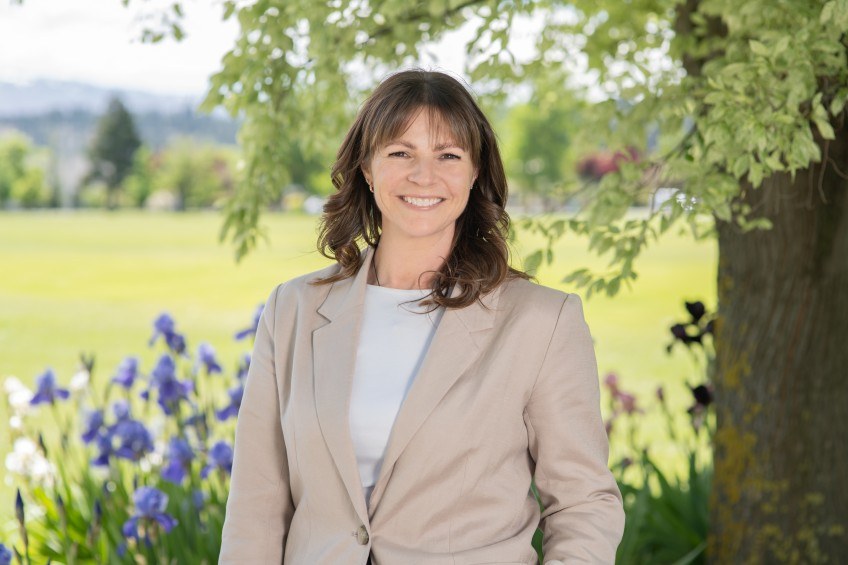
Central Otago Mayor Tamah Alley
Alley said the financial case for merging was weaker than many assumed. “The modelling undertaken so far suggests that amalgamation is unlikely to deliver significant cost savings, so any decisions are likely to be driven by considerations other than financial ones.”
Southland District Mayor Rob Scott said the council submitted a local government reorganisation proposal to the Local Government Commission in early 2025.
“We are now progressing through that statutory process which, unlike the Head Start pathway, ultimately allows the community to decide the outcome through a democratic process.
“Our council strongly believes that the ratepayers and residents of the Southland region would be best served by two councils. This would mean a merger between Southland District and Gore District to form a new rural council representing our many unique towns and communities, with strong localised decision making through community boards. The other council would be Invercargill City, focused on the distinct needs of the city.
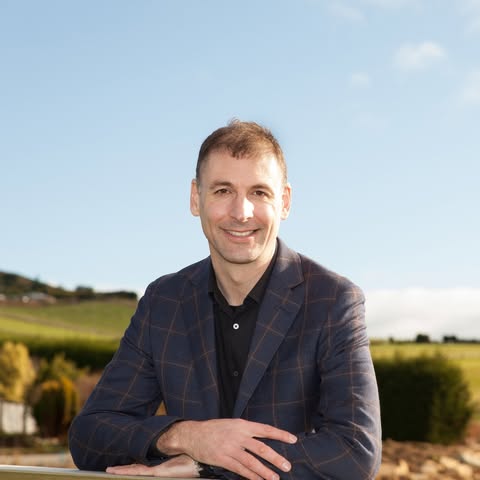
Southland District Mayor Rob Scott
“The Southland region is currently served by Southland District, covering 94% of the land area, Gore District with 5%, and Invercargill City covering just 1%. That’s despite Invercargill City Council holding 56% of the region’s population.
“Under a single council model, representation would inevitably become concentrated around the city’s population base, which would not serve the wider rural area well.
“It’s also important to reflect on the size of the region, more than 30,000 sq km, and the workload involved in serving and representing all of the towns and communities within it. Southland District Council currently operates nine community boards, and this localised structure works extremely well for our district and communities. That’s naturally a different operating model to what’s required to run a city.
“The Head Start process is moving at a pace that makes meaningful community engagement difficult. This is generational structural change, and it cannot be rushed.
“There is always a risk that a locally developed proposal may differ from the Government’s preferred model. But local government reform should be driven first and foremost by what works best for communities, not by imposing a one size fits all solution.
“My message to residents is that any reform must be driven by what delivers the best outcomes for communities. Rushed reform is seldom good reform, and the focus needs to remain on people and places rather than political convenience.”
Dunedin Mayor Sophie Barker said Waitaki’s move north, combined with reluctance from smaller Otago councils to merge with a city of Dunedin’s size, had complicated the picture for the whole region. “The best outcome will be a well defined amalgamation solution that delivers the best fiscal, service and representation model to ensure our residents are better off under a new model.”
“We’re challenged by Otago member Waitaki opting to look north for amalgamation, plus the other Otago councils have concerns about amalgamating with a much larger city like ours, with debt, infrastructure and population challenges.”
Barker said Dunedin had not settled on a preferred partner despite months of joint work with fellow Otago mayors. “We’ve been holding weekly online Mayoral Forum meetings with our fellow Otago councils and monthly in person meetings while we investigate and discuss options for what various options might look like. We jointly invested in a report from Morrison Low to consider how options stacked up against each other financially.”
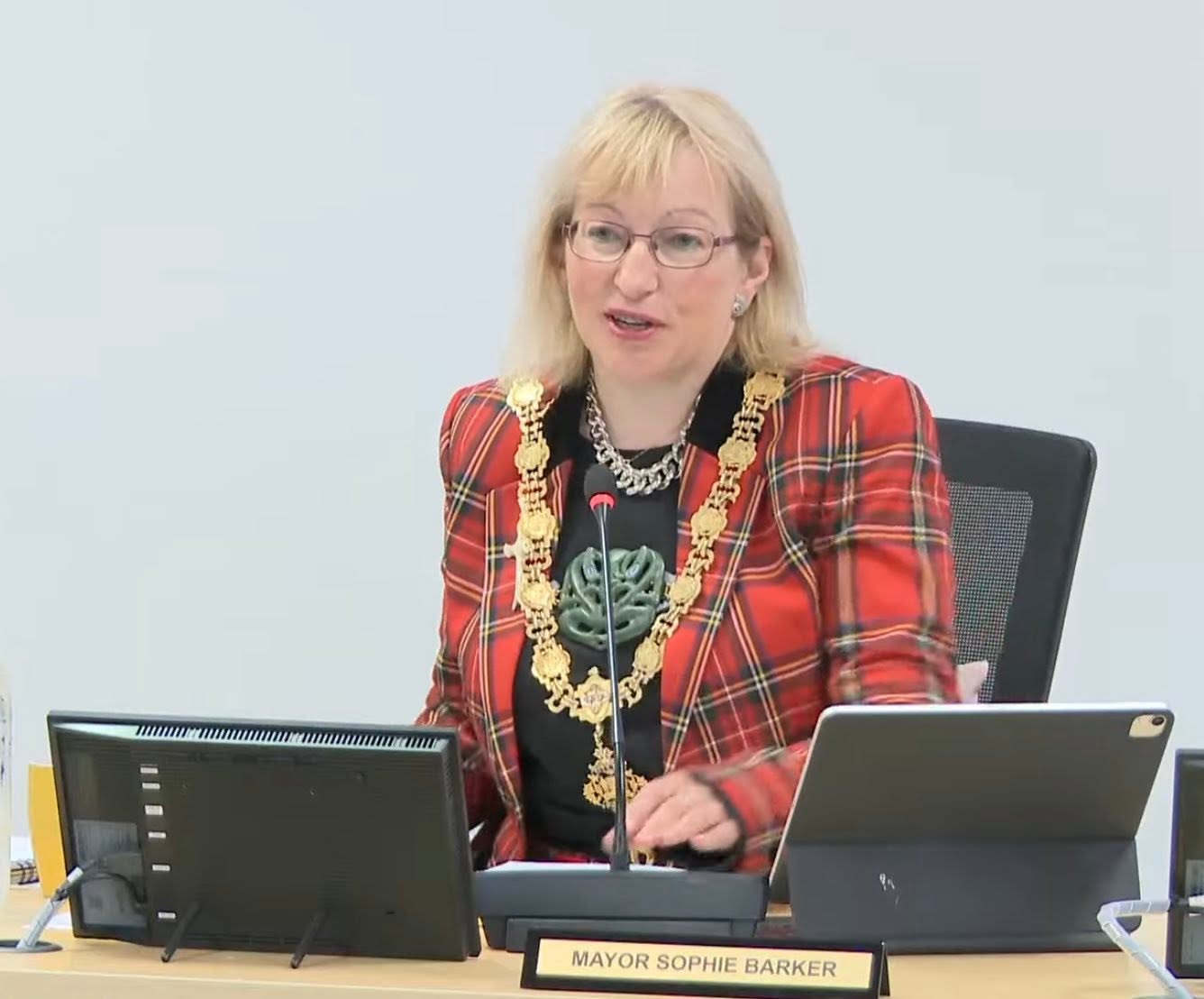
Dunedin Mayor Sophie Barker
She said the timeframe was a serious obstacle, made worse by the cost of the work.
“The short timeline when we have a number of competing priorities, such as finishing our Annual Plan, responding to a deluge of Govt legislation, working to get our LTP ready plus also funding the extra amalgamation optioneering work, which is unbudgeted, and for which the Govt haven’t provided financial support to do.”
Barker said alignment with the Government was a real concern, particularly with the planning system still unsettled.
“That’s a big concern. The Government have been clear about the areas they consider must align. These include the new planning system. However the replacement legislation for the RMA replacement hasn’t been passed yet.”
“I’ve received a lot of feedback that people are concerned about the speed, pressure and impacts of any amalgamation proposal. I want to reassure our residents that we will not rush pell mell into a decision and will carefully consider our options and consult with them about the pathway forward.”
Queenstown Lakes Mayor John Glover said keeping control at a local level was central to his thinking.
“Maintaining local decision making for the decisions that need to be made locally, locking in any potential economies of scale, ability to manage public transport. Central Otago District Council is our neighbour and we have a lot of commonality – high growth areas, tourism, and significant movement of materials and workforce between the two Councils.”
Glover said the district’s preference was to go it alone, though he accepted the Government may not allow it.
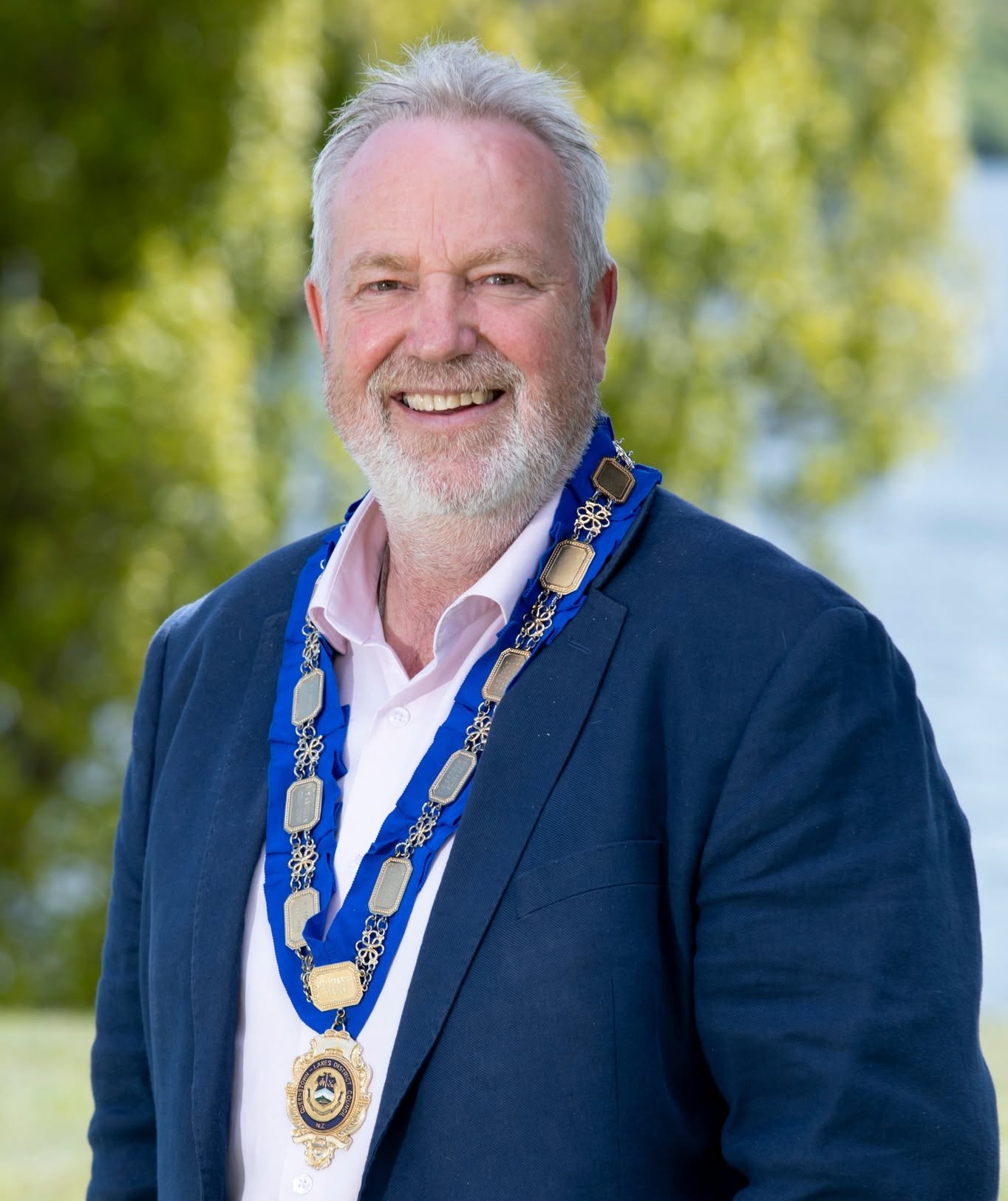
Queenstown Lakes District Mayor John Glover
“Our Community would prefer a stand alone unitary council for QLDC but we recognise that might not be an option depending on what legislation the government may introduce in respect of Council amalgamations.”
He said the scale and timing of the reform was the biggest challenge.
“Time to do it well, managing the very different needs of rapidly growing urban areas alongside large sparsely populated rural areas, trying to do (and pay for) this at the same time as a significant reform of the activities of local government takes place, new planning frameworks are imposed and rate capping will require us to spend less.”
Glover said the Government had been upfront that council proposals may not match its own preferences.
“The government have made it clear that it is unlikely that proposals will tick all of their boxes and at this stage they will use the proposals they receive to likely inform the process going forward.”
His message to residents centred on the potential upside of reform.
“I’d want to focus on the opportunities and better outcomes for ratepayers that a reorganisation of local government can deliver whilst maintaining strong local voice and local decision making for the decisions that need to be kept close.”
Southland split over future
At the bottom of the South Island, Gore Mayor Ben Bell said “the best outcome for Gore District residents is a structure where ratepayers retain genuine decision making power over the things that shape daily life here, and over the things they already value about this district. Any disruption of that kind would need to be matched by a considerable saving in rates to be worth it.” Bell said regional boundaries were the sticking point for any Southland option.
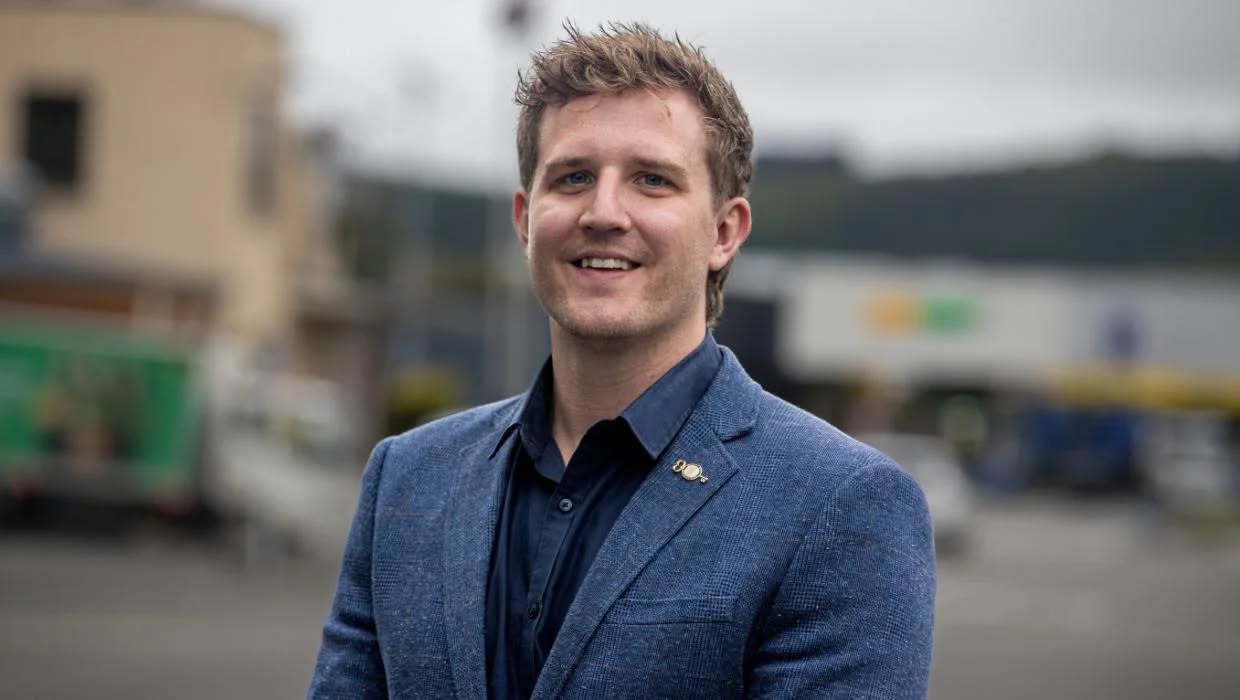
Gore Mayor Ben Bell
“The Gore District sits in the Southland region and shares regional services. If the council had to combine, based purely on geography, it would make most sense to combine with Southland and or Clutha.
“The same applies when looking at rural and urban unitary councils in Southland. You would end up splitting a regional council in half, which would add duplication rather than remove it. Running a regional council as a joint business unit is essentially what we have now.”
Invercargill Mayor Tom Campbell backed a single Southland unitary council, while noting his own region was split. “To move to a single region wide unitary council, the three territorial authorities in Southland should combine with the regional council to form One Southland Unitary Council.”
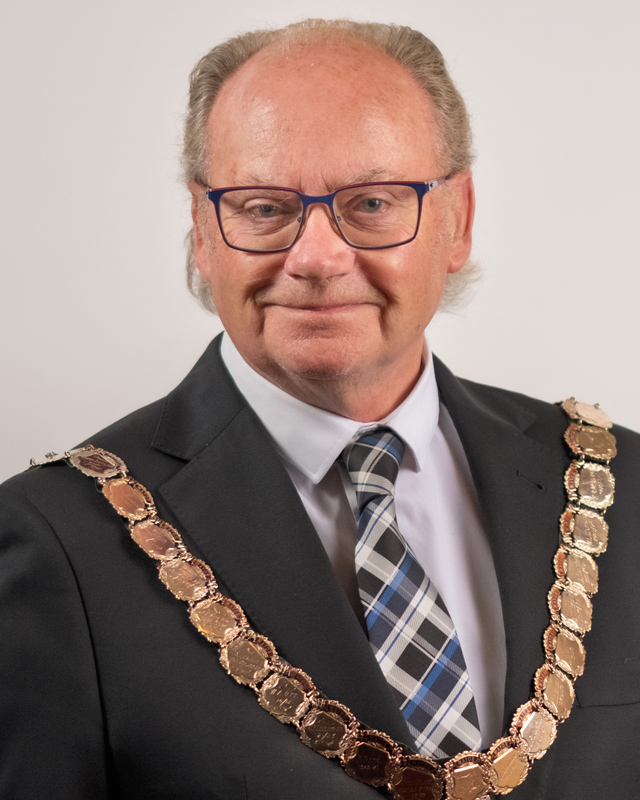
Invercargill Mayor Tom Campbell
“There is no agreement between the territorial authorities. Invercargill and the regional authority advocate for One Southland, Southland District advocate for two, one urban and one rural, and Gore has not declared a preference.”
“The four councils in Southland will work together to try to reach agreement on the best option to take into Head Start, as that is a much better process than waiting for the BackStop. Southland must not hand that decision to Wellington.”
Other councils did not respond to chrislynchmedia.com