Escaped youth tracked by Eagle helicopter, found hiding in New Brighton
The young person who escaped from a youth justice facility in Rolleston has been located...


The young person who escaped from a youth justice facility in Rolleston has been located...

A person has been seriously injured on State Highway 75, Christchurch Akaroa Road. A police...

BodyFix Gym Christchurch in Phillipstown has taken out two major honours at the Exercise New...

Local MPs have found areas of agreement on major Resource Management Act reforms, during a...

A series of public events have been organised across Christchurch and Lyttelton over the coming...

A woman was taken to hospital after a ‘water incident’ at Parakiore Recreation and Sport...

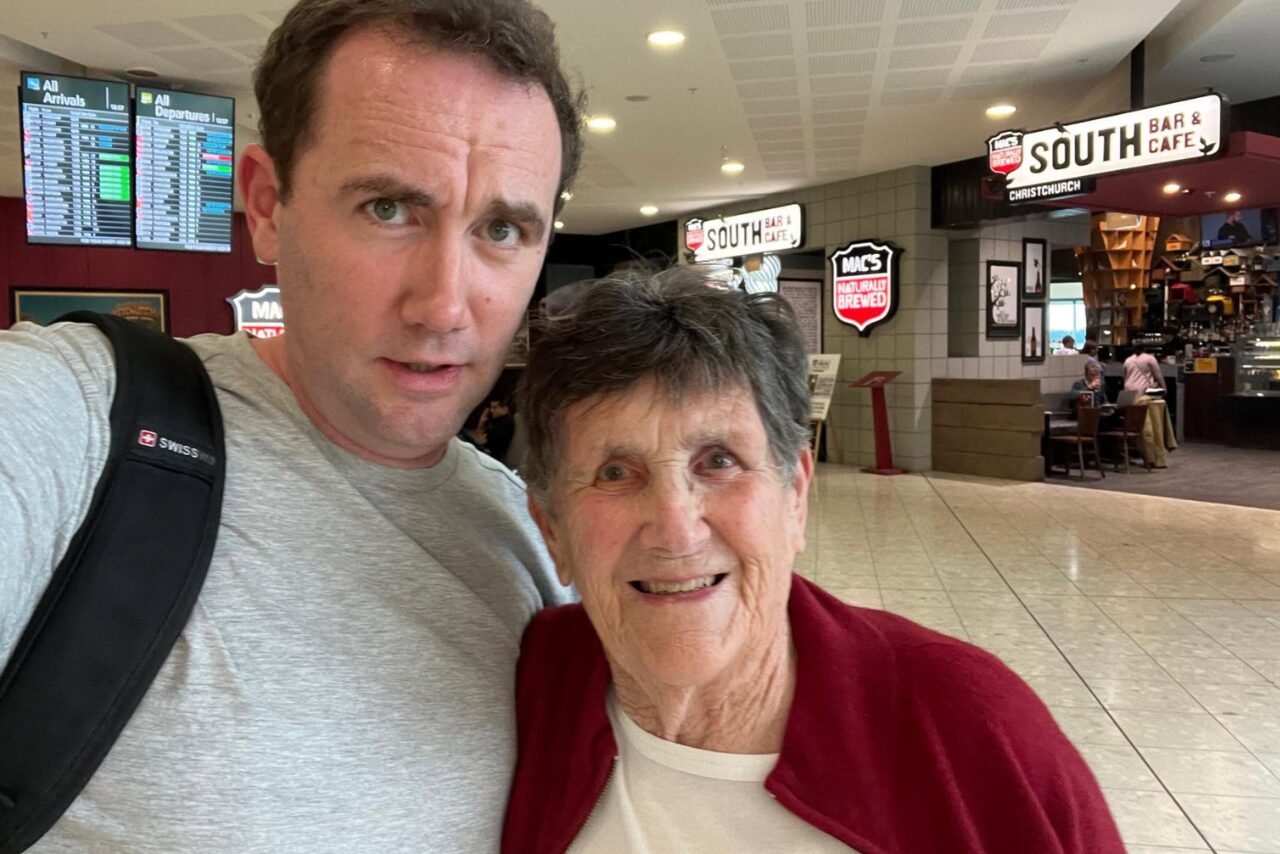
Business broker Sally Everitt planned to keep working until she was 94 and often joked she would live to 110.
Instead, she died from recurrent bowel cancer in June, just over four months after her son Simeon returned from China for what was meant to be a one month holiday.
Simeon Everitt believes delays in the health system robbed his 88 year old mother of the chance to receive life extending treatment, and has decided to speak publicly about her final months.
“If something comes from what happened to Mum and it helps other people, that’s what we really want,” he said.
Sally was first diagnosed with bowel cancer in 2013 and underwent surgery that year. Her surgeon ordered surveillance colonoscopies following the operation.
However, a 2014 letter from Christchurch Hospital advised she would be removed from the public surveillance colonoscopy waiting list because she would be older than 75 by the time of her next scheduled procedure.
The letter said Christchurch and Ashburton hospitals no longer offered routine surveillance colonoscopies to patients over 75 because of resource constraints, the lower likelihood of developing a second bowel cancer, and the increased risks associated with colonoscopy in older patients. Patients who later developed symptoms should see their GP and could still be considered for a colonoscopy regardless of age if clinically appropriate.
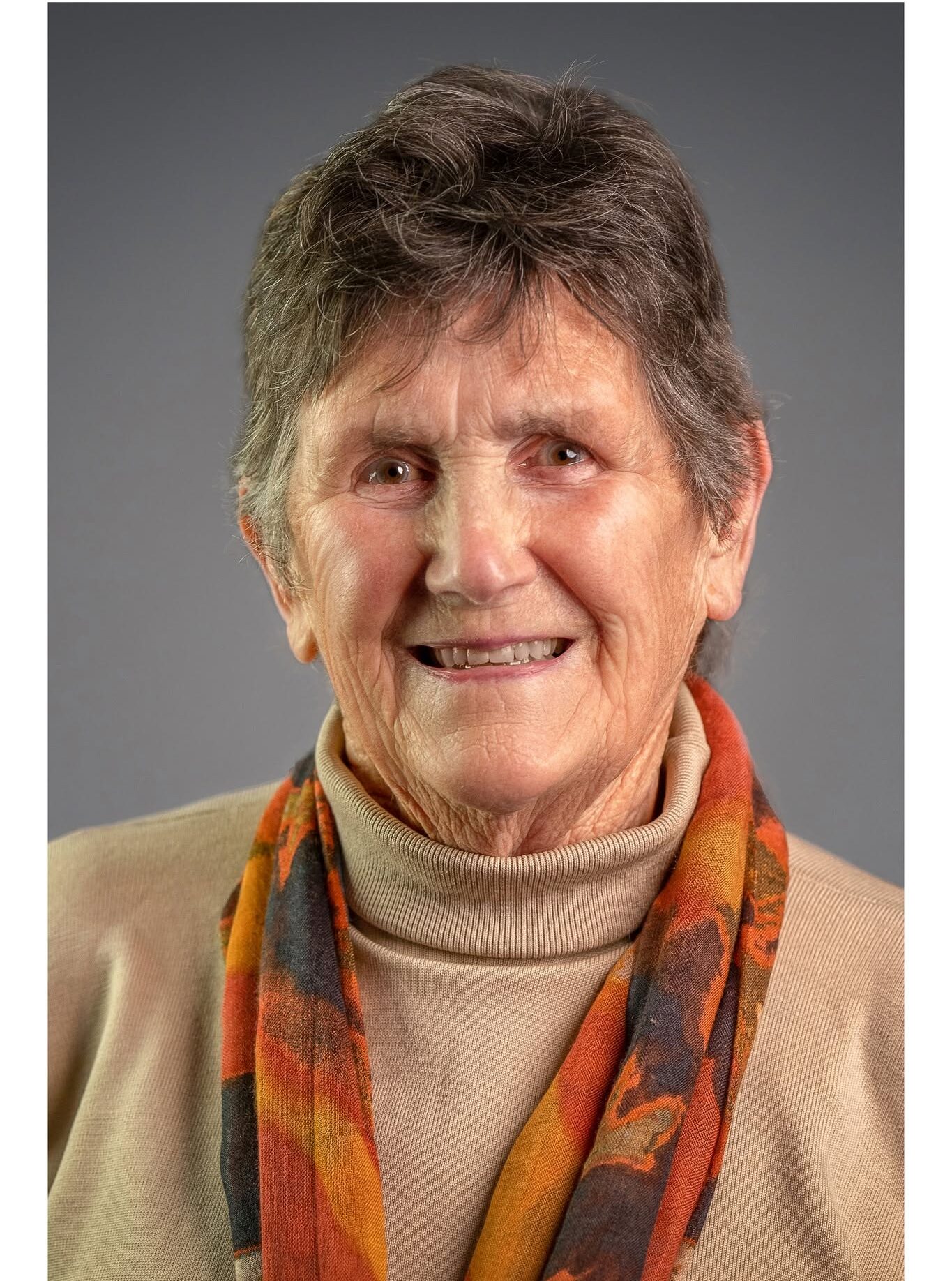
Sally Everitt (supplied)
Simeon said his mother carefully kept every letter relating to her treatment.
“The original surgeon ordered these follow ups and three weeks later she got a letter saying they wouldn’t be following it up.
“One of the reasons was the system was overloaded. Even in 2014 they were saying colonoscopies were a six month wait. They’ve had 12 years to do something about it and it sounds like, if anything, it’s just getting worse.”
Sally retired at the end of last year after unexpectedly deciding she had had enough. Looking back, Simeon believes that change in outlook may have been an early warning sign.
“She was planning to work until she was 94 because she wanted to be the oldest business broker in New Zealand. She was planning to live until she was 110. She was always thinking about volunteering afterwards. We both feel her retirement was stolen from her.”
Simeon arrived back in New Zealand on February 11. Just two days later, Sally became light headed and went to an emergency clinic before being admitted to hospital overnight. She was found to have low sodium levels and raised inflammatory markers.
During that admission, a doctor saw she had previously had bowel cancer and had not received follow up surveillance. A CT colonography was arranged for April 3. “I thought it would be nothing,” Simeon said. “I extended my stay until April just in case.”
A week after the scan, while the pair were having lunch at a cafe, Sally received a phone call telling her the cancer had returned.
On April 22 they met colorectal surgeon Prashant Sharma, who told them the tumour was larger than the original cancer and had extended towards the small intestine. Simeon said surgery was considered too risky because of its complexity and the likely impact on Sally’s quality of life.
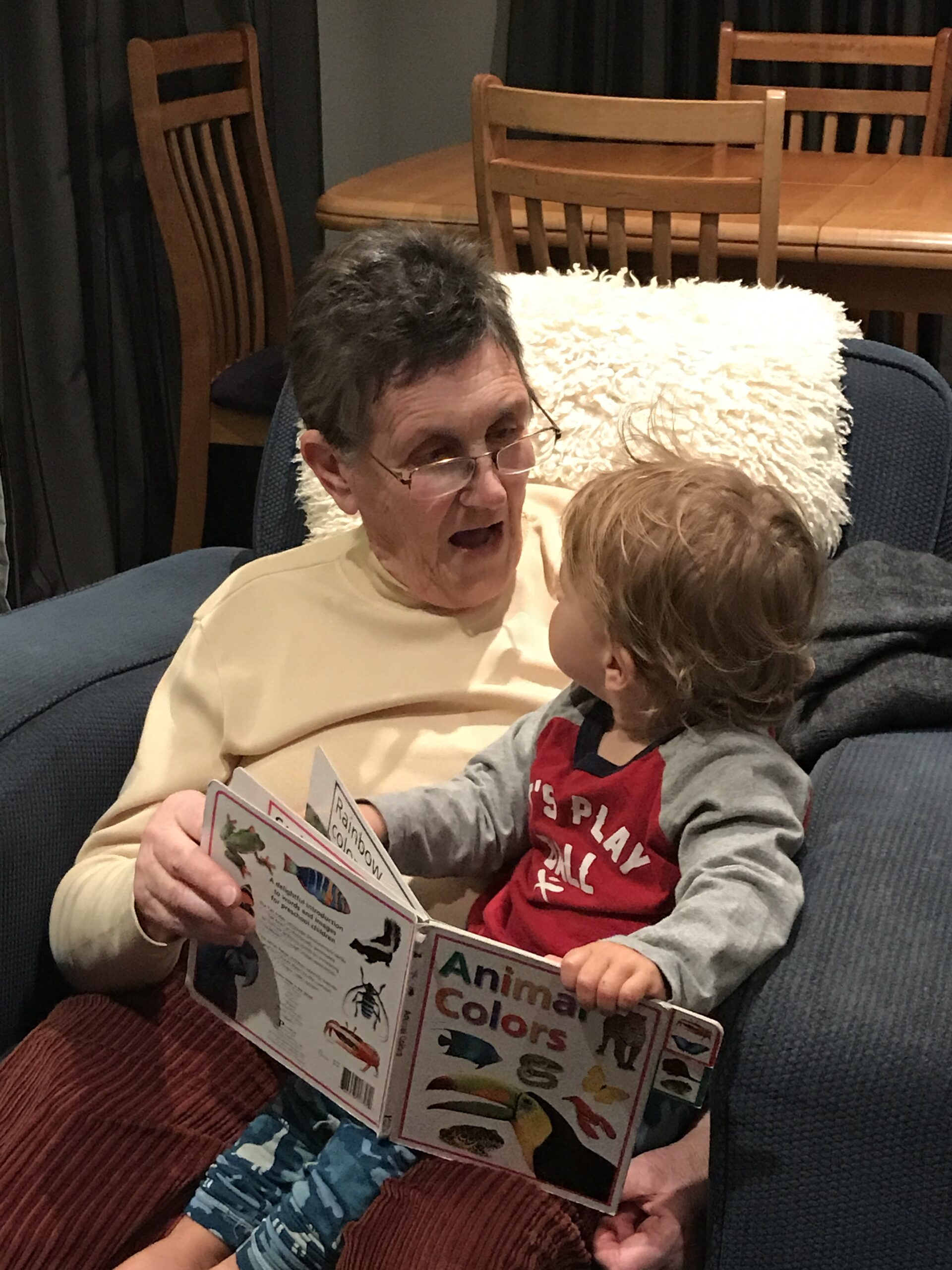
Sally Everitt / supplied

Instead, the family hoped immunotherapy would offer the best chance of treatment, but first a colonoscopy was needed to confirm whether the tumour carried the protein marker required for publicly funded treatment.
Just days later, Sally was admitted to hospital again after becoming unwell, before being discharged and readmitted with ongoing diarrhoea. She underwent the colonoscopy as an inpatient.
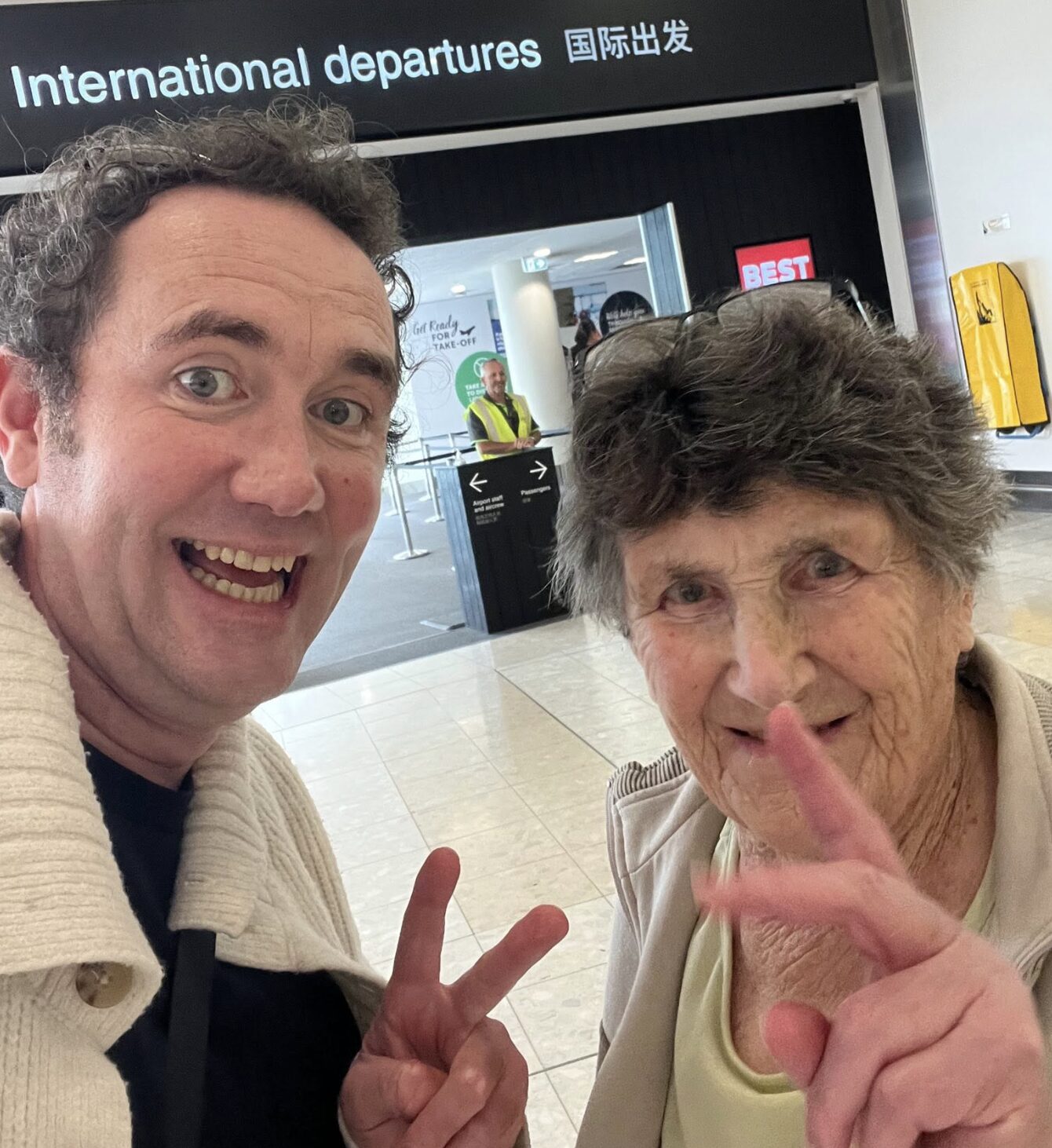
Simeon Everitt with his late mother Sally / supplied
In mid May the family received a letter from oncology advising the service aimed to see Sally within 10 weeks because wait times were longer than usual.
When they returned to see Sharma on May 20, Simeon said the surgeon appeared surprised to learn of the delay, although he stressed this was his own reading of the moment. He said Sharma was excellent throughout and the family believed he did everything he could in the circumstances.
“The good news was the tumour had the right protein for immunotherapy. We told him we’d just received a letter saying there was a 10 week wait. He looked visibly shocked and checked with the cancer nurse that the referral had been made straight away. She confirmed it had.”
With Sally’s health deteriorating, the family decided to pursue private treatment. Sharma referred her to a private oncologist at St George’s Hospital, but Simeon said even there the earliest consultation available was two weeks away.
“We said absolutely, despite the $25,000 price tag,” he said.
“The really scary thing is even private couldn’t move quickly because it was taking all the overflow from the public system.”
Simeon acknowledged this was his own interpretation, but said he could not see any other explanation for the wait.
By late May Sally was too unwell to return home after another hospital admission. When the private oncology consultation finally took place by video on June 3, she was too sick to travel.
Simeon said the consultation lasted an hour while his mother remained confined to bed because her muscle mass had become severely depleted. Because calling nurses for help was not practical during the appointment, she was left to have bowel motions in continence products while it went ahead.
“It was very degrading for her,” he said.
Simeon stressed this was through no fault of St George’s, and said staff there were excellent given the situation.
“We still believed the plan was for Mum to have immunotherapy, go into respite care while she recovered and then come home. I was going to stay in New Zealand and look after her.”
Later that day Simeon received a phone call from a palliative care nurse practitioner while his mother listened on speaker phone. He said his mother already sounded defeated by the time the call began.
Earlier that afternoon, after an intense morning, the nurse practitioner and a social worker had visited Sally in hospital. Simeon, who was not present, said his mother told him they had pressed her about needing to leave hospital rather than allowing her the rest she badly needed.
During the phone call, discussions turned to permanent residential care, and Sally was told she would be “very lucky” to ever return home.
“That was the first time I’d ever heard Mum sound defeated,” he said. “She’d always been a fighter.”
Simeon said his mother knew deep down the worst could happen, but her approach was always to think as positively as possible to give the best outcome a chance.
A family meeting several days later confirmed Sally’s condition had deteriorated further. Doctors explained she had developed an intestinal fistula and was now too weak for intravenous nutrition. The family was told the chances of immunotherapy working in time had become extremely small.
Sally decided against further treatment and chose palliative care. She moved to Palm Grove on Marshlands Road on June 11. Simeon praised the staff there.
“It was one of the best rest homes I’ve ever been in. I couldn’t speak more highly of them.”
During her final days Sally developed a bowel obstruction and severe nausea. Simeon said his mother had asked about euthanasia, but no one followed the request through, and he was later told the paperwork took at least six weeks, meaning it would not have been possible in the time she had left.
One of the last coherent things she said to her son was: “Why won’t they just let me die?”
Simeon said watching her suffer in her final days because that option was out of reach was heartbreaking.
She died at 5.13am on June 22.
Her final wish to donate her body to the University of Otago was unable to be fulfilled because of excessive fluid retention. Simeon said he accepted nothing could change what had happened to his mother.
“The current state of the health system is nothing short of unacceptable and it must be fixed. It’s not just the patient who suffers. It affects the whole family. I came back for one month and ended up putting my whole life in China on hold while I cared for Mum.
“People need to talk about these issues. Since sharing Mum’s story I’ve been amazed by how many people have come forward with similar experiences. If we don’t speak up, nothing changes.”
Health New Zealand Clinical Executive National Director Dr Richard Sullivan said “first, we would like to extend sincere condolences to Ms Everitt’s friends and family, our thoughts are with them at this difficult time.
“Our treatment pathways for bowel cancer surveillance have changed significantly in recent years.
“We have established national surveillance guidelines, the most recently updated in August 2023. These recommend clinically appropriate indications for surveillance including guidance around age range, although there is not a specific age cut-off” Dr Sullivan said.
“We have also established the National Bowel Screening Programme for all New Zealanders between the ages of 58 and 74 without bowel cancer symptoms. The first DHB to establish the programme did so in 2017 and the Canterbury district rolled out the programme in 2020.”