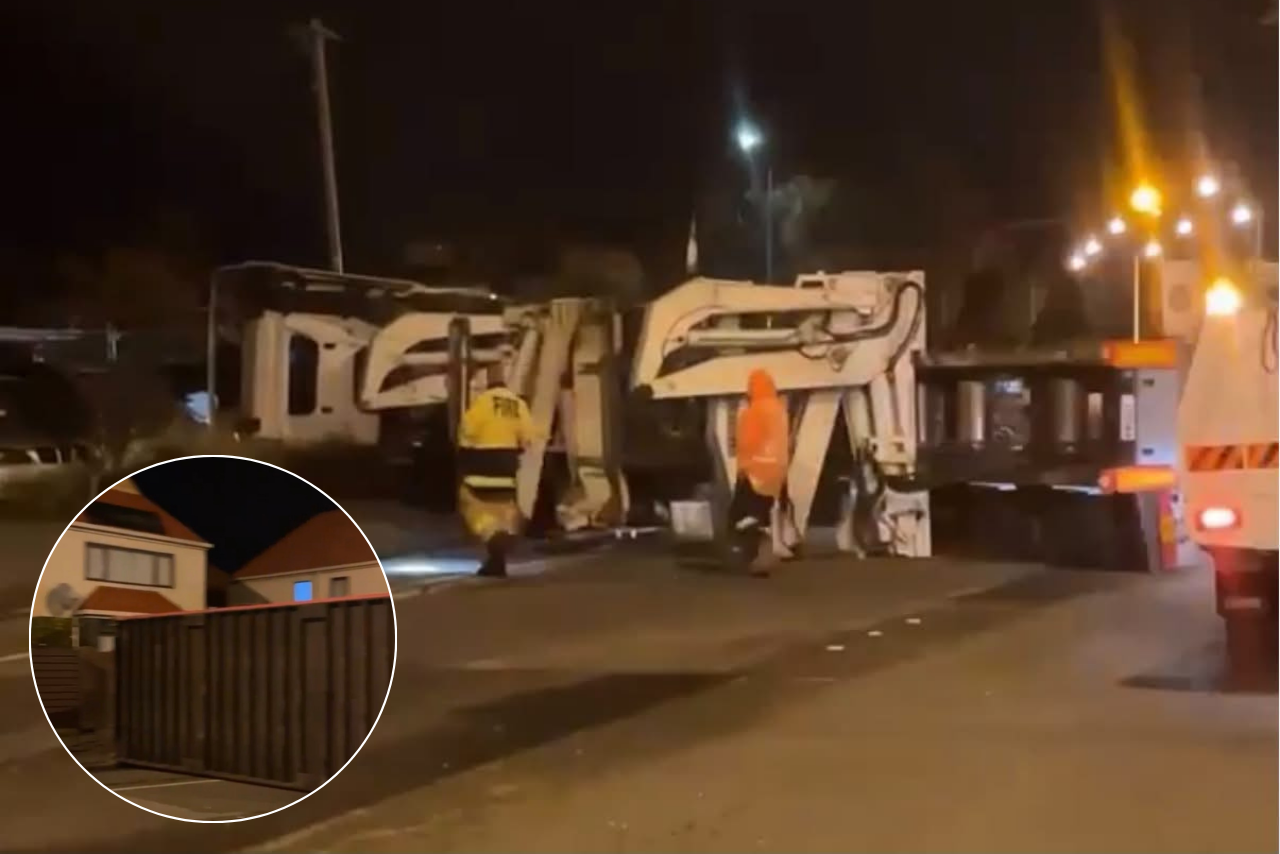
Escaped youth tracked by Eagle helicopter, found hiding in New Brighton
The young person who escaped from a youth justice facility in Rolleston has been located...


The young person who escaped from a youth justice facility in Rolleston has been located...

A person has been seriously injured on State Highway 75, Christchurch Akaroa Road. A police...

BodyFix Gym Christchurch in Phillipstown has taken out two major honours at the Exercise New...

Local MPs have found areas of agreement on major Resource Management Act reforms, during a...

A series of public events have been organised across Christchurch and Lyttelton over the coming...

A woman was taken to hospital after a ‘water incident’ at Parakiore Recreation and Sport...

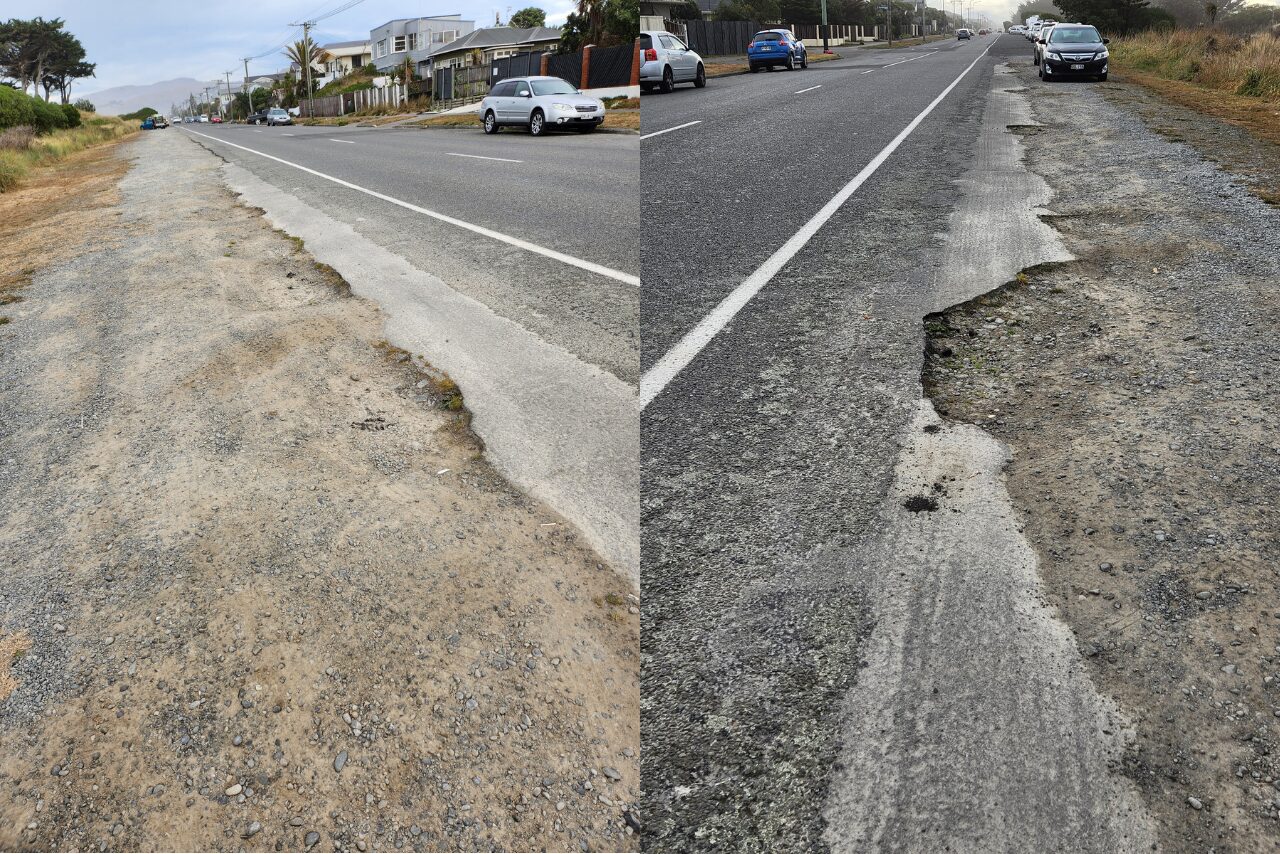
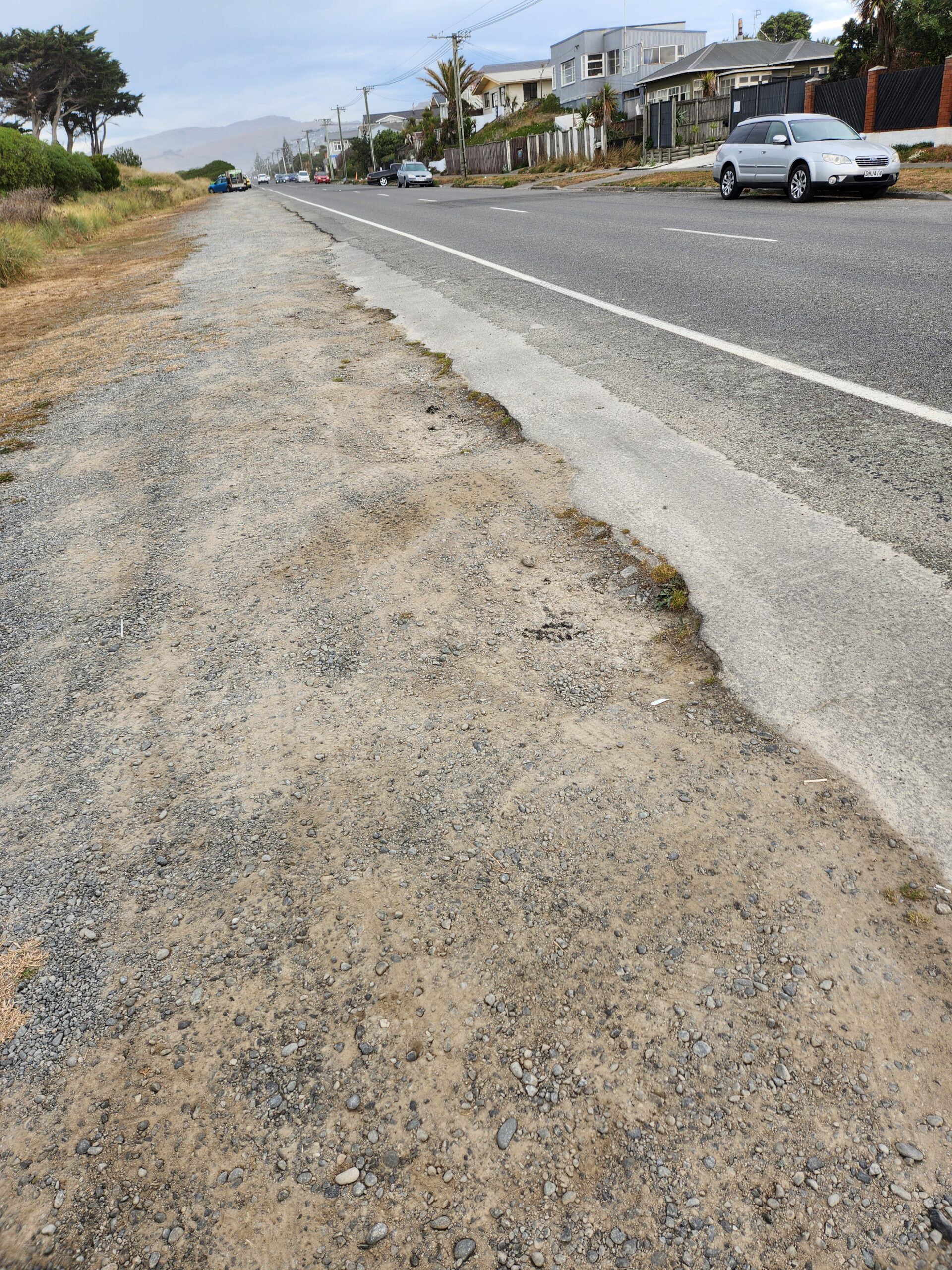
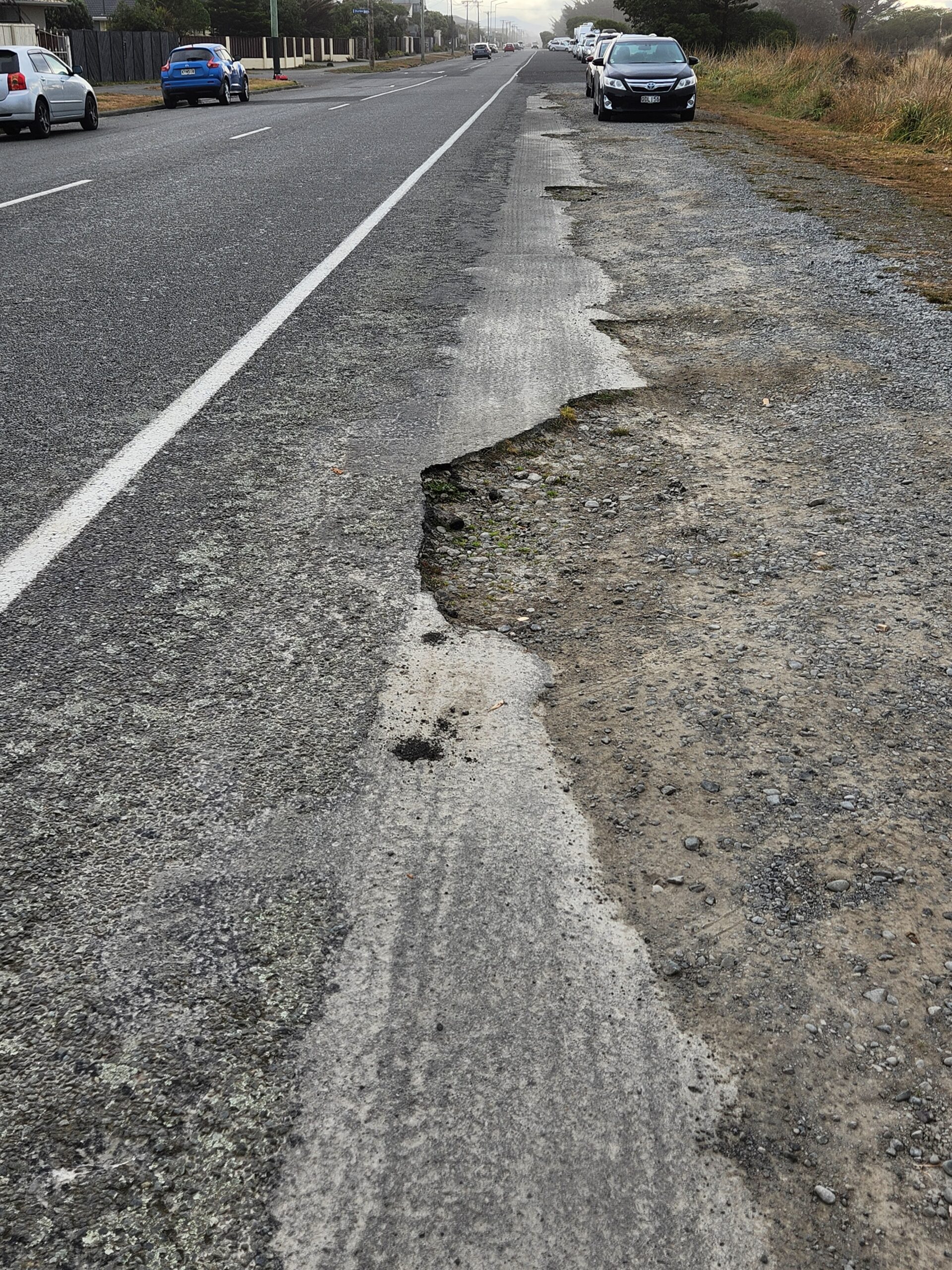
South Brighton residents say a neglected section of Marine Parade has become unsafe for cyclists, wheelchair users and walkers, despite repeated complaints to Christchurch City Council.
Following questions from Chris Lynch Media, a council spokesperson said repairs to the area were now programmed for completion in about six weeks.
Toni Harris-Daw, who live on Marine Parade, said the problem affected the beach side of the street from Sturdee Street through to the area around Jellicoe Street and Halsey Street.
They said the gravel berm had deteriorated over time. “These are the potholes cyclists, wheelchair people and walkers are trying to avoid.”
“Vehicles are making them worse daily.”
In a January message to the council, Harris Daw wrote “my core reason for writing is the gravel berm between Sturdee Street, extending to Halsey Street. This has now become a boy racer skidding platform, throwing the gravel over the road, and is potentially dangerous to people and animals.”
Supplied
“Parking, walking and riding is very restricted, especially the entrance to Beatty Street which is really popular as it is a short distance to the beach.”
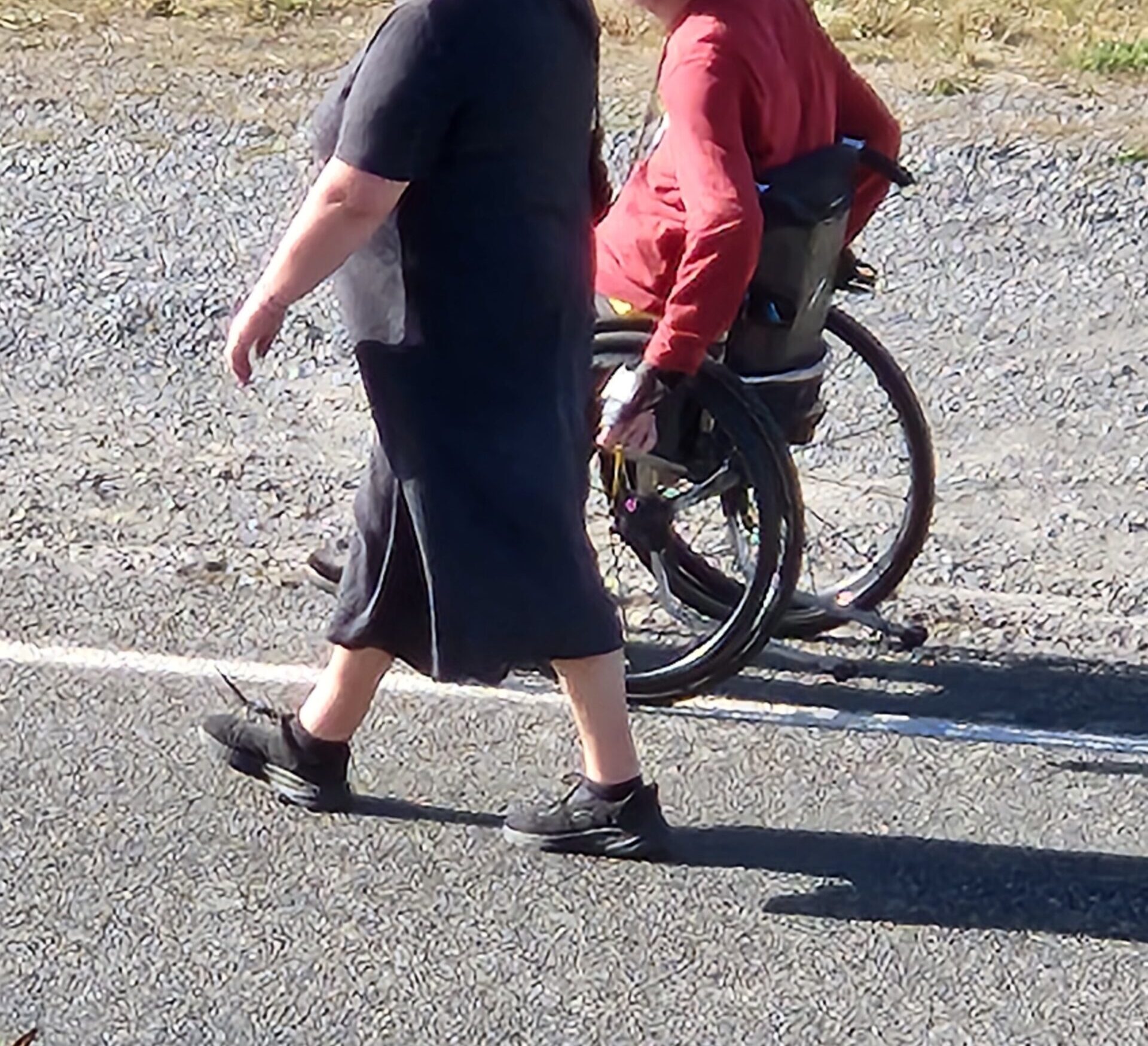
Harris-Daw, told chrislynchmedia.com “there is a wheelchair person daily who is constantly on the road, with his caregiver, on the beach side trying to maneuver his wheelchair in oncoming traffic and ends up in gravel.”
“Every day we witness the wheelchair person, from our window, and his caregiver on that side of the road.”
“Where in the rest of New Zealand, in a major city, would you find a gravel strip on a prime route?” Harris-Daw, said she had lodged several council tickets without result.
“The only section on Marine Parade not cared for that has rate payers navigating unsafely. This part of the beach is highly used but sadly neglected,but non paying freedom campers get priority?”
Harris-Daw, said the latest council reply showed the complaint had been assigned, but earlier ones had gone nowhere.
Harris-Daw, said the repair would be straightforward. “This is an easy fix, not expensive, based on my personal knowledge of managing Civil and Quarry offshore, no consultants.”
“Simple grader compaction and tar seal operation and does not require digging out, refilling and compacting.”
Harris-Daw, said other parts of the area appeared to be getting attention. “As volunteers on community patrol we witness the ridiculous numbers of cones on low vehicle user streets and tar sealing done more than once.”
Supplied
Harris-Daw, said no one from the council had contacted them directly. A council spokesperson said the area was not a footpath asset and was maintained as a berm bordering the parks area that runs parallel to the beach.
The spokesperson said several areas had been programmed for upcoming maintenance, primarily low shoulder maintenance, which involved remediating potholes and smoothing the surrounding area. The berm would be compacted during that work.
The spokesperson said three maintenance tickets had been raised in the past 12 months, and that council contractors had previously inspected the area and were aware of the resident’s complaints.
The spokesperson said the council took all safety seriously, but that the strip was a berm with no established footpaths or cycleways.
Cyclists were encouraged to use Marine Parade, and an established footpath on the west side of the road was better suited to wheelchair users and pedestrians.
The spokesperson said low shoulder maintenance would be periodically undertaken to maintain the area, with the current repairs programmed for completion in about six weeks.
As part of the Eastern Orbital project, the spokesperson said additional high-level investigations had been carried out into cycling and shared path options between Bridge Street and Ebbtide Street.
Supplied to Chris Lynch Media
On how the council prioritised work, the spokesperson said the Transport Asset Management Team used data-driven methods that were consistent, repeatable and objective.
The spokesperson said each asset was assessed against factors including age, condition, maintenance expenditure and underlying subsurface issues, using analytical and AI-based tools, with field validation to confirm data accuracy and coordination with utility providers to manage potential conflicts before works were programmed.