Escaped youth tracked by Eagle helicopter, found hiding in New Brighton
The young person who escaped from a youth justice facility in Rolleston has been located...


The young person who escaped from a youth justice facility in Rolleston has been located...

A person has been seriously injured on State Highway 75, Christchurch Akaroa Road. A police...

BodyFix Gym Christchurch in Phillipstown has taken out two major honours at the Exercise New...

Local MPs have found areas of agreement on major Resource Management Act reforms, during a...

A series of public events have been organised across Christchurch and Lyttelton over the coming...

A woman was taken to hospital after a ‘water incident’ at Parakiore Recreation and Sport...

More than $150m will be invested in strengthening some of the South Island’s most important state highways, with the Government targeting routes vulnerable to slips, flooding, rockfall and severe weather.
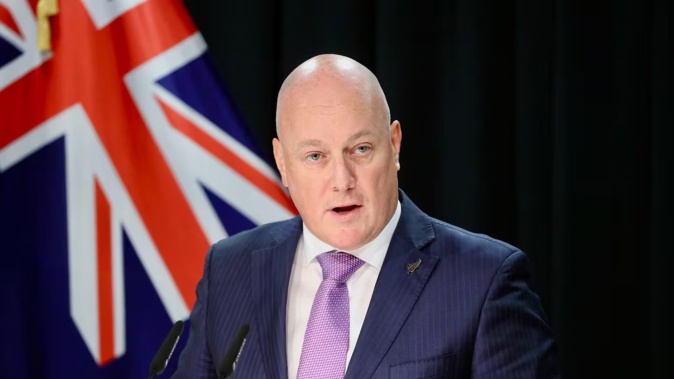
South Island and Associate Transport Minister James Meager said the Budget 2026 funding would focus on high-risk sections of the network where road closures can cause major disruption because alternative routes are limited, lengthy or unavailable.
“South Islanders know how important reliable roads are for getting goods and people from A to B. When a road closes here, there often isn’t another option just around the corner,” Meager said.
The funding package will support resilience upgrades across five key highways, including around $20m for SH60 Tākaka Hill in Tasman, which is considered one of New Zealand’s highest resilience-risk corridors. The route is a lifeline for local communities and tourism businesses, with no detour available if it closes.
Around $30m will go towards SH6 between Cromwell and Frankton, a key tourism and freight route where closures can add at least 100 kilometres to journeys.
A further $20m will be invested in SH6 between Frankton and Kingston, a priority lifeline connecting Queenstown to the south. Landslide sites along Lake Wakatipu have been identified as an extreme risk.
SH6 between Haast and Hāwea will receive around $40m. The highway is the only access route from the south to the West Coast and is vulnerable to closures, with detours adding more than 500 kilometres.
Another $40m will be spent on SH94 between Te Anau and Milford Sound, the only land access route to Milford Sound. The road is considered an extreme resilience risk, with previous closures leaving people stranded for several days with limited amenities.
Meager said the investment would help keep critical routes open more often and allow them to reopen faster when severe weather hits.
“That means fewer disruptions for communities, greater certainty for businesses, more reliable freight movements, and better access for visitors,” he said.
“These roads connect communities, support tourism, move freight, and keep regional economies running. Many face significant risks from slips, flooding, rockfall and severe weather.”
Meager said while severe weather events could not be prevented, the transport network could be better prepared for them.
“These projects will help protect some of the South Island’s most important connections and ensure they remain reliable for the people and industries that depend on them every day.”