Escaped youth tracked by Eagle helicopter, found hiding in New Brighton
The young person who escaped from a youth justice facility in Rolleston has been located...


The young person who escaped from a youth justice facility in Rolleston has been located...

A person has been seriously injured on State Highway 75, Christchurch Akaroa Road. A police...

BodyFix Gym Christchurch in Phillipstown has taken out two major honours at the Exercise New...

Local MPs have found areas of agreement on major Resource Management Act reforms, during a...

A series of public events have been organised across Christchurch and Lyttelton over the coming...

A woman was taken to hospital after a ‘water incident’ at Parakiore Recreation and Sport...

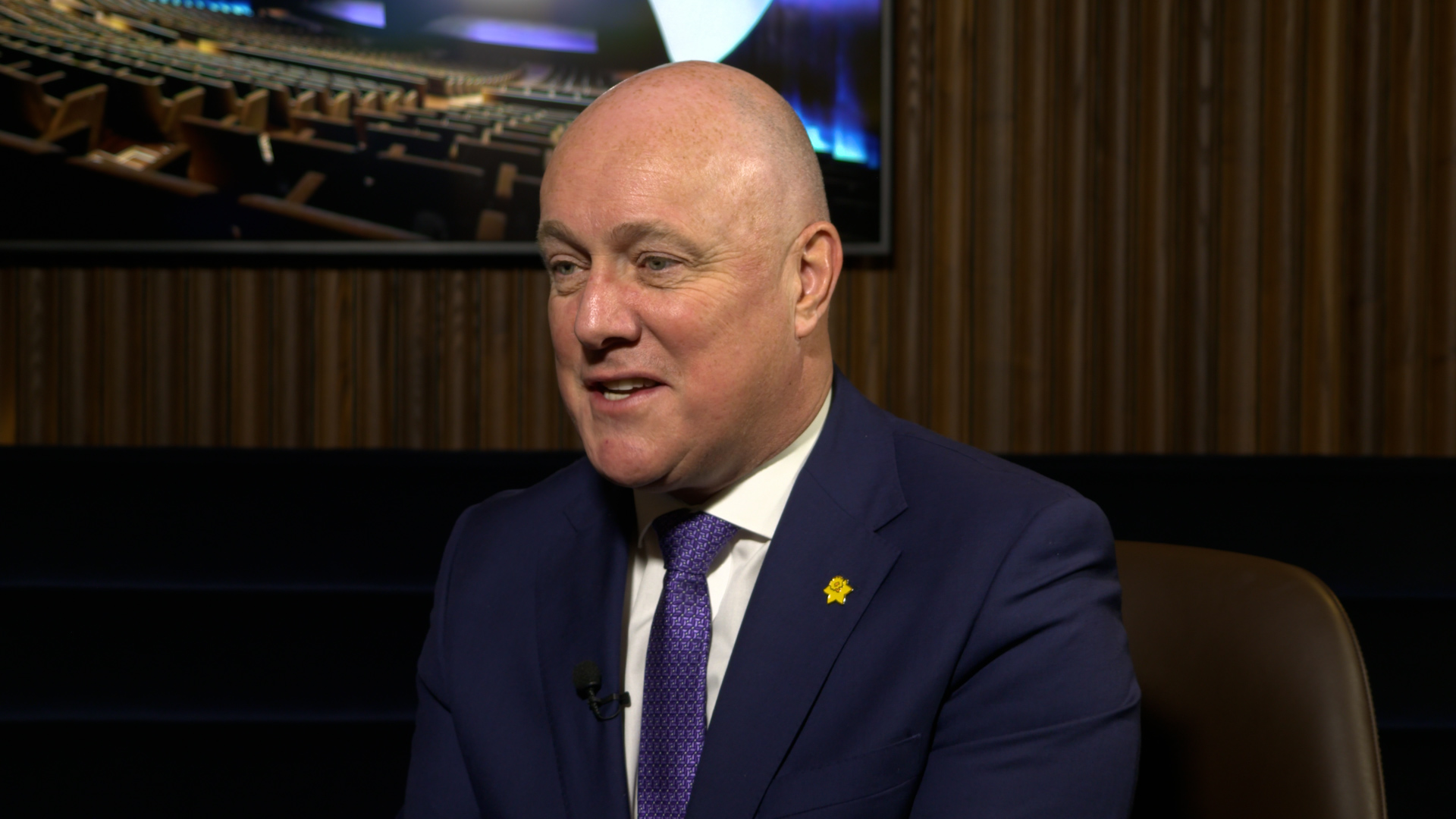
The government has unveiled a revised four phase fuel response plan and finalised a deal to bolster New Zealand’s diesel reserves, as Middle East tensions continue to rattle global supply.
Prime Minister Christopher Luxon said the country’s fuel supply remained in good shape despite serious disruption to the global market, but the government was determined to stay ahead of the risk.
“While the disruption to the global fuel market is serious, I am pleased to report that it has not impacted New Zealand’s ability to secure sufficient fuel supply,” Luxon said.
He confirmed the country currently held 51 days of petrol, 44 days of diesel and 54 days of jet fuel, with importers locking in confirmed orders through July and planned orders into August.
“Our fuel stocks remain within normal fluctuations and well above the minimum stock holding obligations,” Luxon said. “This is a testament to the resilience of our supply chain and the proactive measures our government has taken.”
Luxon acknowledged the biggest hit so far had been at the pump.
“New Zealanders are feeling that every time they fill up the car, and that’s why we’re providing timely and targeted support, targeted to those who need it most,” he said, pointing to an extra $50 a week for lower middle income workers with children and increased mileage rates for community support workers, relief teachers and veterans travelling to medical appointments.
He noted that diesel was now 50 cents per litre cheaper and petrol 25 cents per litre cheaper than the peaks of three to four weeks ago.
“While the higher fuel prices are putting pressure on households and businesses, it would be significantly worse if we had a supply problem,” he said.
Strategic diesel reserve secured
Luxon confirmed a deal with Z Energy to procure additional diesel for a new strategic reserve had now been finalised, with the fuel expected to arrive at refurbished tanks at Marsden Point by the end of next month.
“This additional diesel supply will act as a strategic reserve for New Zealand, and this reserve represents nine days worth of supply, approximately 40 percent of our current minimum stock holding obligations, and it will provide a critical buffer should we ever face any supply issues,” he said.
The deal sits alongside other measures already rolled out, including aligning fuel specifications with Australia, a $21.6 million investment in additional diesel storage at Marsden Point, and an essential supplies agreement formally signed last week with Singapore’s Prime Minister Wong.
Luxon said he had also visited refineries in Singapore and South Korea to better understand the upstream pipeline of crude oil.
“I am reassured by the continued operation of these refineries and their efforts to diversify crude oil sources,” he said.
“While the situation in the Middle East remains very uncertain, we are as confident as we can be that New Zealand will continue to see uninterrupted fuel supply in the months ahead.”
Rationing moved to “last resort”
The revised fuel response plan, developed after extensive consultation with business and industry, retains four phases but has shifted fuel rationing from phase three to phase four.
“Through consultation, we heard that fuel prioritisation should be a last resort, and the priority bans outlined in the first iteration of the plan were too complex,” Luxon said.
Phase three will now focus on supply side measures, including releasing the strategic diesel reserve, and demand reduction tools such as boosting public transport capacity and voluntary fuel reduction plans with businesses.
“A move to phase four would occur only if there was ever a genuine likelihood of a severe and prolonged disruption, such as the loss of a large share of fuel supply for many months,” Luxon said.
“While this remains highly unlikely, the government would set a fuel reduction target and apply a simplified framework of priority users to ensure that fuel goes to where it’s most needed.”
He said modelling indicated it was highly unlikely New Zealand would ever need to move into phase three or four.
“It’s better to have a plan you don’t use than to need one and to be caught short,” he said.
Self managed, not state allocated
Energy Minister Nicola Willis said the consultation had been substantial, with more than 5000 New Zealanders attending webinars, 300 organisations taking part in workshops and over 1000 online responses received.
“The feedback was clear, prioritisation or rationing should be a last resort. The system needs to be practical and flexible,” Willis said.
“Businesses and social organisations themselves are best placed to manage day to day operational decisions within clear government set rules.”
Willis said engagement with refiners in Singapore and South Korea had been reassuring.
“Refiners reported crude oil feedstock already being locked in through July and August,” she said.
“Refiners have diversified their markets for feedstocks from the Gulf and instead into the US, Mexico, Oman, Latin America and Canada.”
She said suppliers had also committed to flagging any disruptions early.
“This effectively provides New Zealand an early warning system, so we should know many weeks in advance of any increased likelihood of New Zealand bound orders or shipments being disrupted.”
Willis stressed phase four remained an extreme scenario.
“It is possible New Zealand will never need to move beyond phase one in this plan,” she said.
“Even so, the government’s view is that even if disruption is unlikely, we should still be proactive and prepared.”
Modelling commissioned from fuel consultancy Export indicated the most plausible disruptions would be smaller, temporary shocks manageable through supply side measures and voluntary savings.
“That is to say, most disruptions we can envisage could be managed without having to move into a phase four plan,” Willis said.
Four categories under phase four
If phase four were ever triggered, fuel users would be grouped into four categories.
Category one, critical services, would receive uncapped priority access. This includes emergency services, health, lifeline utilities, schools and core state functions.
“The list of critical services was developed based on the definitions of critical organisations from the Civil Defence Emergency Management Act, with health and welfare services that are not directly covered in that act, added in,” Willis said.
Category two, food and freight users, would continue to access fuel through normal commercial channels but would need to meet government set fuel saving targets.
Category three, other commercial and community users such as manufacturing, construction trades and tourism operators, would face stricter fuel saving requirements and tighter allowances.
Category four, the general public, would continue to access fuel through retail service stations but would be subject to transaction limits.
“They would still allow practical flexibility for people in genuinely exceptional circumstances, including, for example, rural communities and workers who are required to travel long distances,” Willis said.
Crucially, the system would be self managed rather than state allocated.
“Government would set the fuel reduction targets and the operating rules, but businesses and fuel suppliers would manage how they meet those requirements, and they would be required to set out those plans in mandatory fuel reduction plans,” Willis said.
“The overwhelming feedback from New Zealanders we spoke to was that this self managed approach would be far more workable and practical than a centralised allocation model.”
Willis closed with a familiar reassurance.
“We don’t expect New Zealand to move into these later phases, but we agree that having a credible, practical and flexible plan in place is an important part of protecting New Zealand’s resilience and economic security in an uncertain world.”