Escaped youth tracked by Eagle helicopter, found hiding in New Brighton
The young person who escaped from a youth justice facility in Rolleston has been located...


The young person who escaped from a youth justice facility in Rolleston has been located...

A person has been seriously injured on State Highway 75, Christchurch Akaroa Road. A police...

BodyFix Gym Christchurch in Phillipstown has taken out two major honours at the Exercise New...

Local MPs have found areas of agreement on major Resource Management Act reforms, during a...

A series of public events have been organised across Christchurch and Lyttelton over the coming...

A woman was taken to hospital after a ‘water incident’ at Parakiore Recreation and Sport...

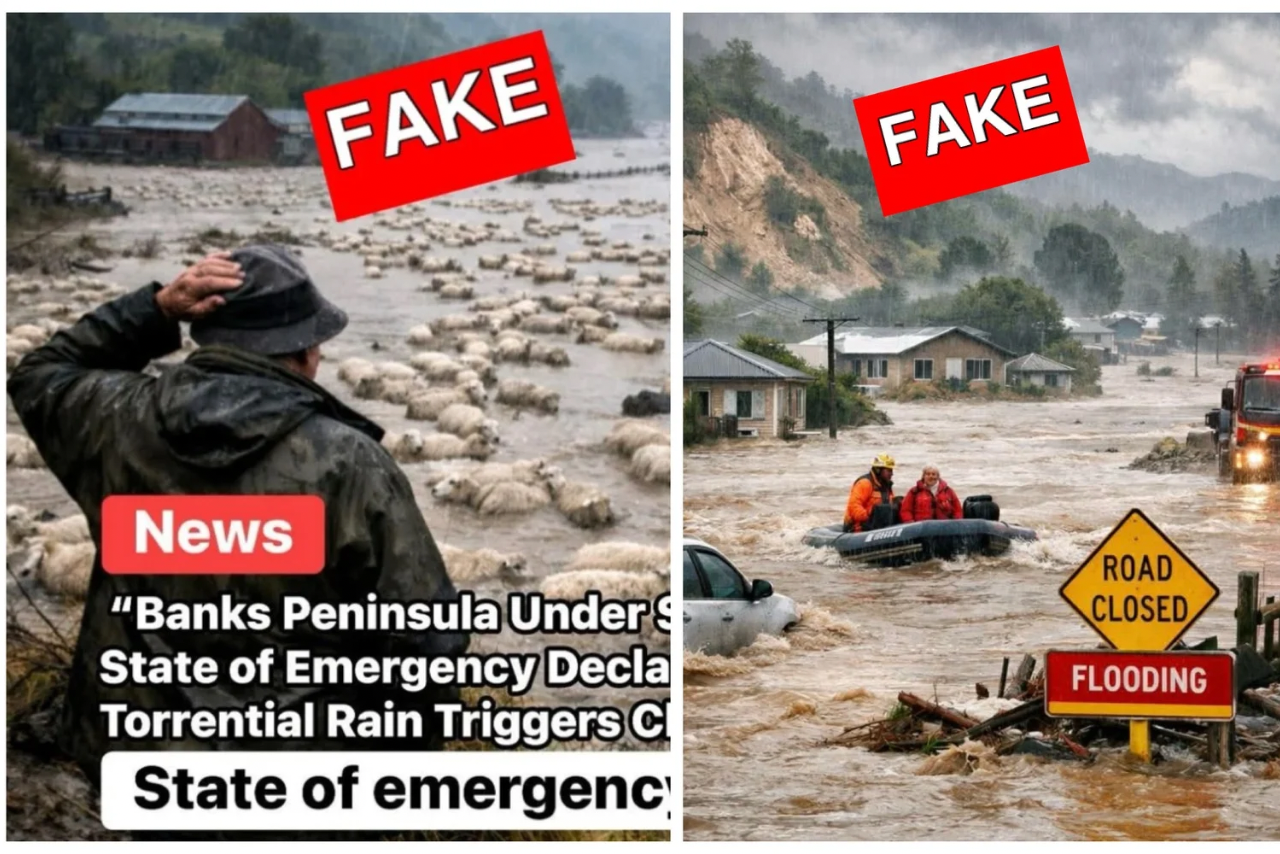
Something extremely corrosive is spreading across New Zealand’s Facebook landscape, and today’s flooding across Banks Peninsula exposed it in full view.
Anonymous Facebook pages are scraping original reporting, including my own, running it through AI tools, slightly rewriting it, and publishing it as their own.
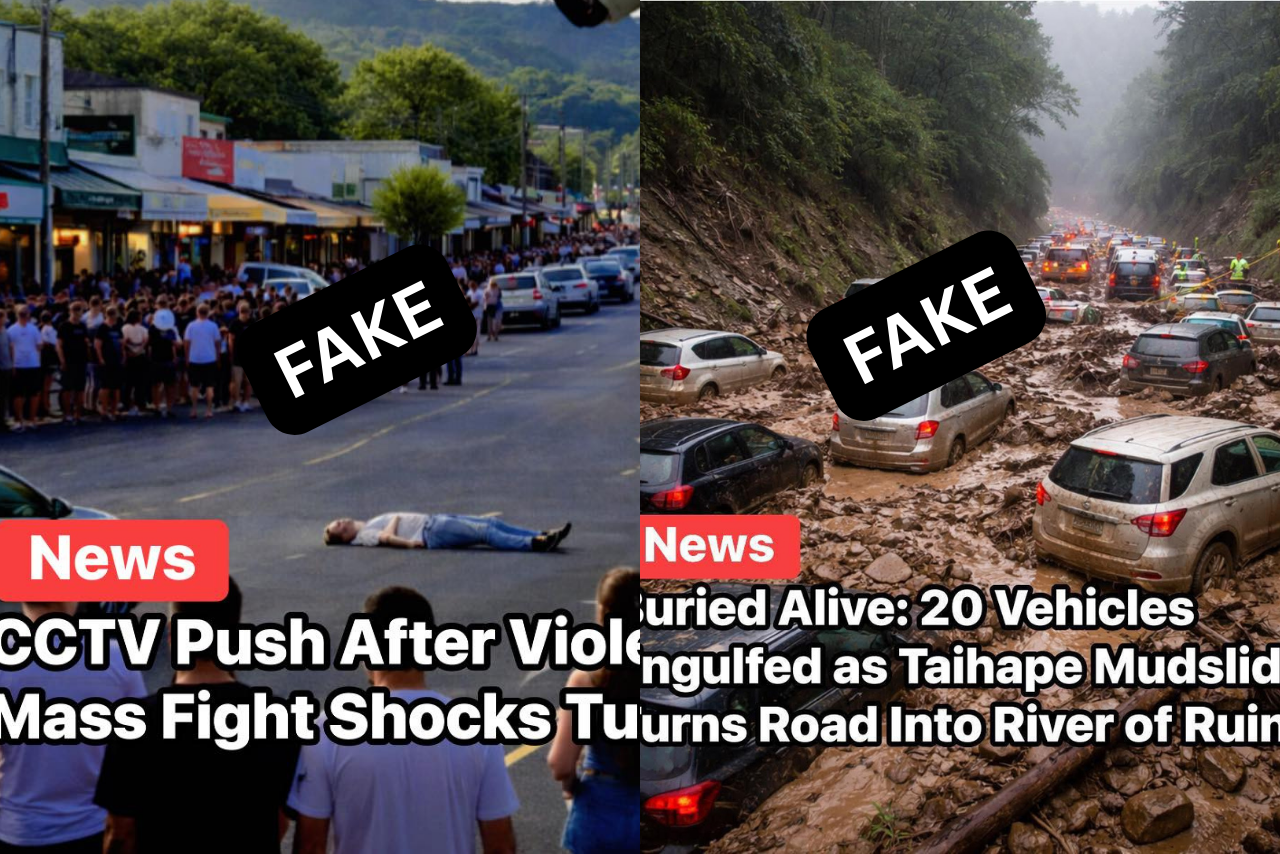
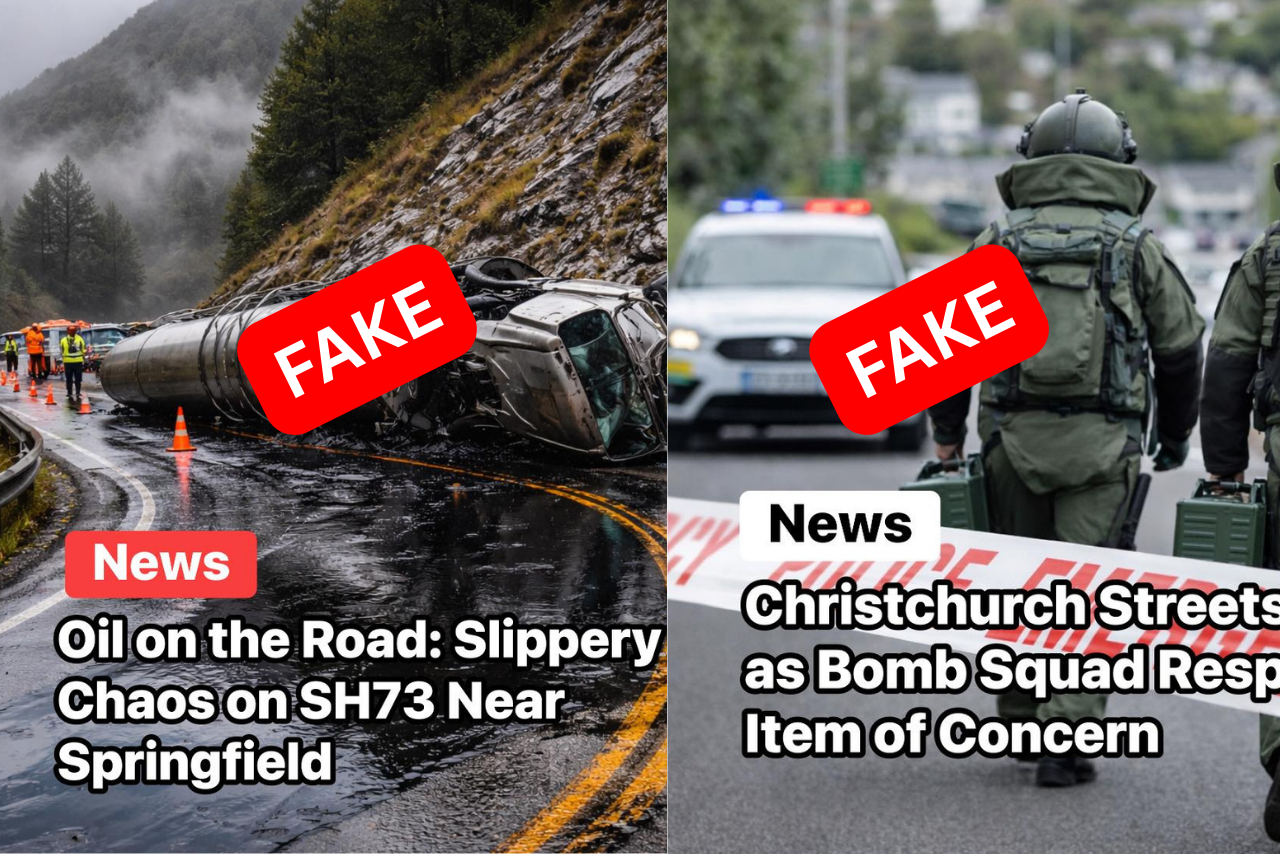
We are also seeing the rise of AI generated images passed off as real. Fabricated crime scenes. Manufactured disaster photos and dramatic visuals that never happened.
They are designed to shock, provoke, and drive shares before anyone stops to question authenticity.
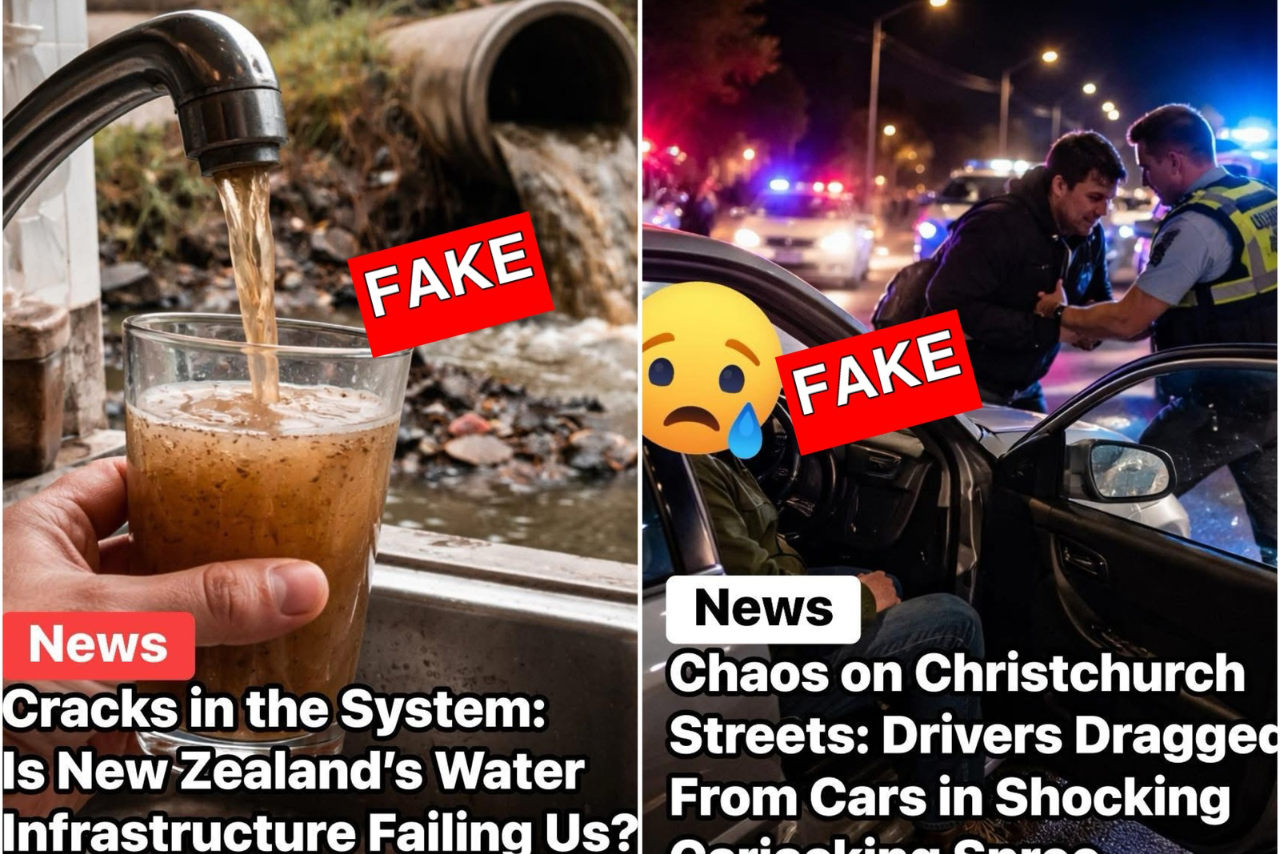
This is not accidental. It is engineered engagement and it’s dangerous.
When I publish a story, my name is on it. My business stands behind it. If something is wrong, I am accountable. I carry the legal responsibility. That is what it means to operate as a publisher in New Zealand.
The anonymous pages copying and rewriting that work carry none of that responsibility.
There is no transparency, no clear ownership, no genuine contact details. Often there is not even a real identity attached. They extract the value of legitimate reporting while avoiding every consequence that comes with it.
They don’t request official comment. They don’t verify facts independently. They wait until legitimate reporting is live, run it through AI, and present it as fresh content and Facebook is rewarding them.
There’s another strategy at play here too.
Old photographs of Cathedral Square, black and white photos, photos of buildings long gone, are starting to pop up.
These posts are not history projects. They are growth tools. Nostalgia triggers comments. Comments trigger reach. Reach builds followers quickly. Once the audience is large enough, the page pivots, changes its name and pushes traffic elsewhere. It is digital farming disguised as local pride.
The danger is not that some people are foolish. The danger is that the current algorithm on Facebook appears to be rewarding deception.
Thankfully YouTube has recognised this concern and reduces reach of AI content, from what Google told me.
Fabricated images travel faster than verified facts. Even media savvy people can be caught out when content is designed to feel local, familiar and urgent.
My news operates in a hyper local environment. There is no corporate legal shield, but in a way I like it like that. But when pages extract the value of that work without sharing the responsibility, they erode the foundation of all reporting.
New Zealand audiences should be paying close attention, and so should Government ministers, especially this year given the election.
What’s even more troubling is that some MPs follow these Facebook pages, even taking screen grabs of their content, then re-sharing it to their pages. The line between verified reporting and manufactured content is getting blurred.
Just the other day, a friend of mine sent me an article of a news story from Christchurch with an AI generated photo attached. He asked why I hasn’t reported that particular story. The trouble was I had, it was my content, but it was uplifted, repurposed and vomited up on tacky AI slop.
Reporting is not just content. It is accountability backed by risk. And right now, Facebook is rewarding those who take none of it.
NOTE
Chris Lynch Media holds a 100 percent trust rating from NewsGuard, an independent international organisation that assesses news publishers against strict credibility and transparency standards.
NewsGuard’s ratings are not based on popularity or engagement. They are based on journalistic conduct. Their analysts review outlets against nine core criteria, including whether a publication repeatedly publishes false content, whether it gathers and presents information responsibly, whether it corrects errors clearly, whether it handles the difference between news and opinion properly, and whether ownership, leadership and financing are transparent.
They also assess whether a publisher avoids deceptive headlines, clearly labels advertising, and discloses who is responsible for editorial content.
A 100 percent rating means the organisation has met all of those benchmarks. It signals that reporting is accountable, corrections are made when required, sources are treated responsibly, and readers can clearly see who is behind the platform.