Escaped youth tracked by Eagle helicopter, found hiding in New Brighton
The young person who escaped from a youth justice facility in Rolleston has been located...


The young person who escaped from a youth justice facility in Rolleston has been located...

A person has been seriously injured on State Highway 75, Christchurch Akaroa Road. A police...

BodyFix Gym Christchurch in Phillipstown has taken out two major honours at the Exercise New...

Local MPs have found areas of agreement on major Resource Management Act reforms, during a...

A series of public events have been organised across Christchurch and Lyttelton over the coming...

A woman was taken to hospital after a ‘water incident’ at Parakiore Recreation and Sport...

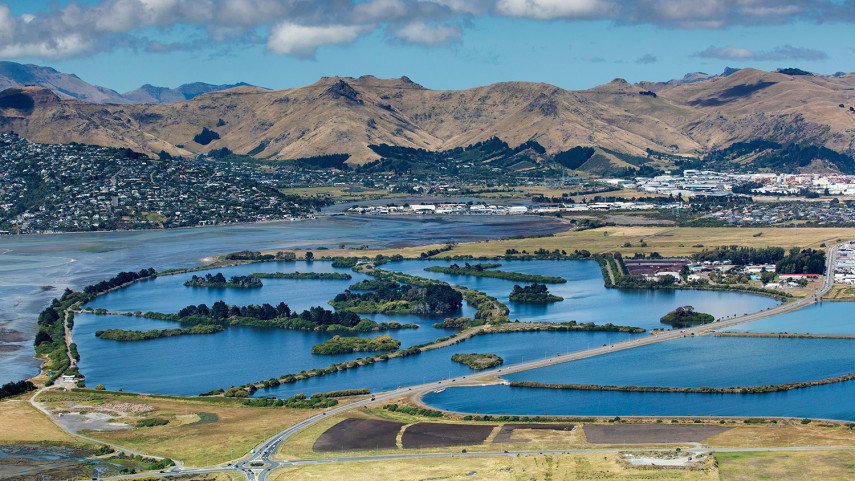
Jetboats have been deployed on Christchurch’s wastewater oxidation ponds as council engineers work to stabilise the worst odour event at the treatment plant since the fire.
Poor conditions at the Christchurch Wastewater Treatment Plant have begun showing signs of improvement, but the council said recovery remains fragile and heavily dependent on natural processes.
A Christchurch City Council spokesperson said regular jetboat oxygenation was now a key part of efforts to lift dissolved oxygen levels in the ponds, which had dropped to unusually low levels over recent weeks.
“This is the most challenging period we have seen since the fire,” the spokesperson said.
“Jetboats are being used to oxygenate the ponds, alongside increased aeration and careful balancing of flows, and we are now starting to see some stabilisation.”
The spokesperson said the situation was unusual for this time of year, when pond conditions were typically healthy.
They said a combination of fluctuating wastewater loads over the holiday period, limitations in the temporary activated sludge plant, and heavy January rainfall had contributed to the problem.
“Normally the ponds are able to cope, but this summer several factors aligned,” the spokesperson said.
“The temporary plant operates with a very narrow margin for error and has no extra capacity, which makes the system vulnerable to sudden changes.”
The council said high rainfall, which was expected to improve pond health, instead appeared to have slowed algae growth, reducing a major source of oxygen in the system.
Engineers are now using multiple methods to support recovery, including balancing flows between ponds, dosing with hydrogen peroxide, increasing aeration, and doubling odour assessments with external contractors reporting twice a week.
Drone imagery, lab testing, and dissolved oxygen monitoring are also being used to track progress.
The spokesperson said while improvements were being seen, full recovery depended on natural oxygenation and algae growth returning to normal levels.
“We are using every tool available, but some of the recovery is driven by environmental conditions,” they said.
Medical Officer of Health Dr Annabel Begg said exposure to hydrogen sulphide odours from the plant could cause nausea, headaches, eye and throat irritation, skin irritation, sleep disturbance, and worsening asthma symptoms at relatively low concentrations.
She said ongoing exposure to unpleasant odours could also affect mental wellbeing, even where physical symptoms were not present.
Dr Begg said hydrogen sulphide did not accumulate in the body and any health effects were expected to resolve once odour levels returned to normal.
She advised people experiencing health issues to seek advice from their GP or call Healthline on 0800 611 116 at any time, and to call 111 in an emergency.
The council said it acknowledged the ongoing impact on residents and continued to review data to understand whether any other factors contributed to the event.