Escaped youth tracked by Eagle helicopter, found hiding in New Brighton
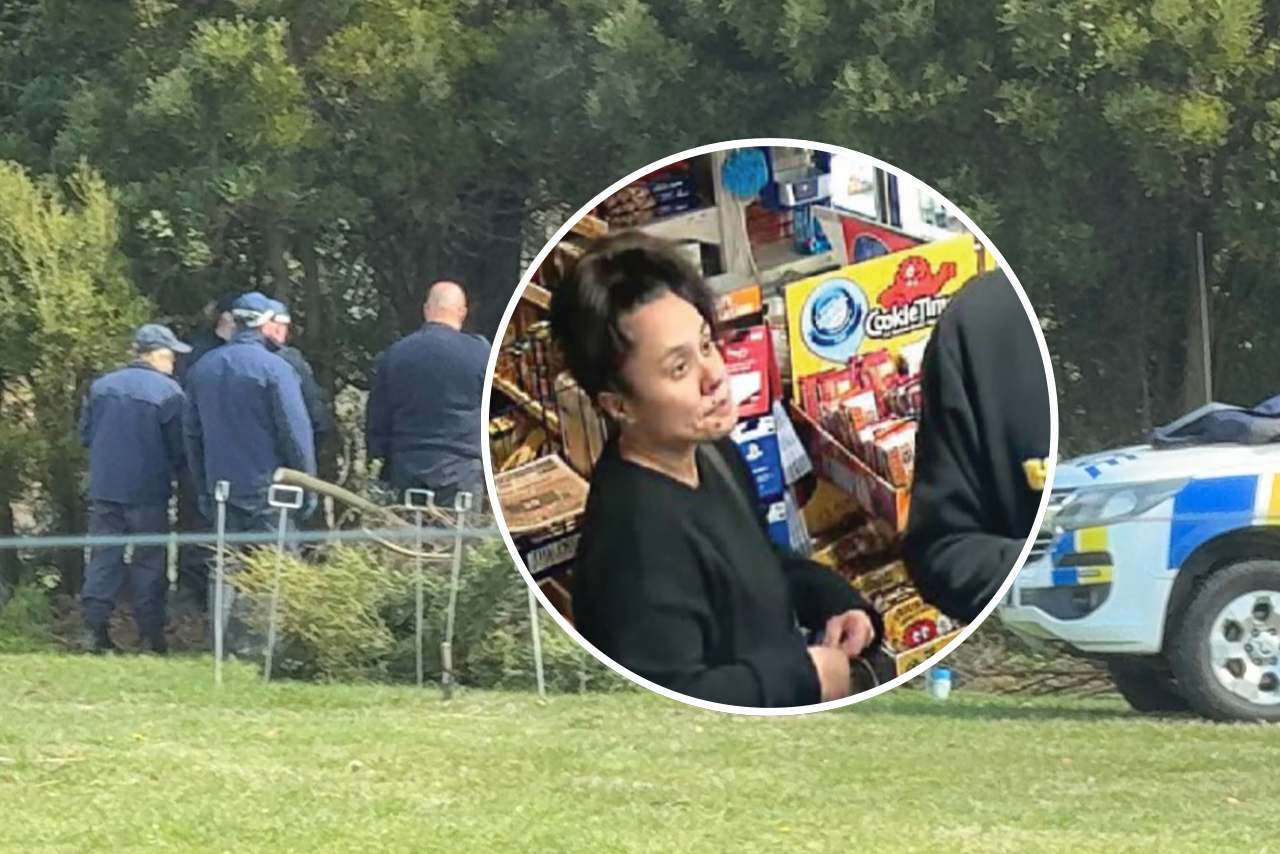
The young person who escaped from a youth justice facility in Rolleston has been located...


The young person who escaped from a youth justice facility in Rolleston has been located...

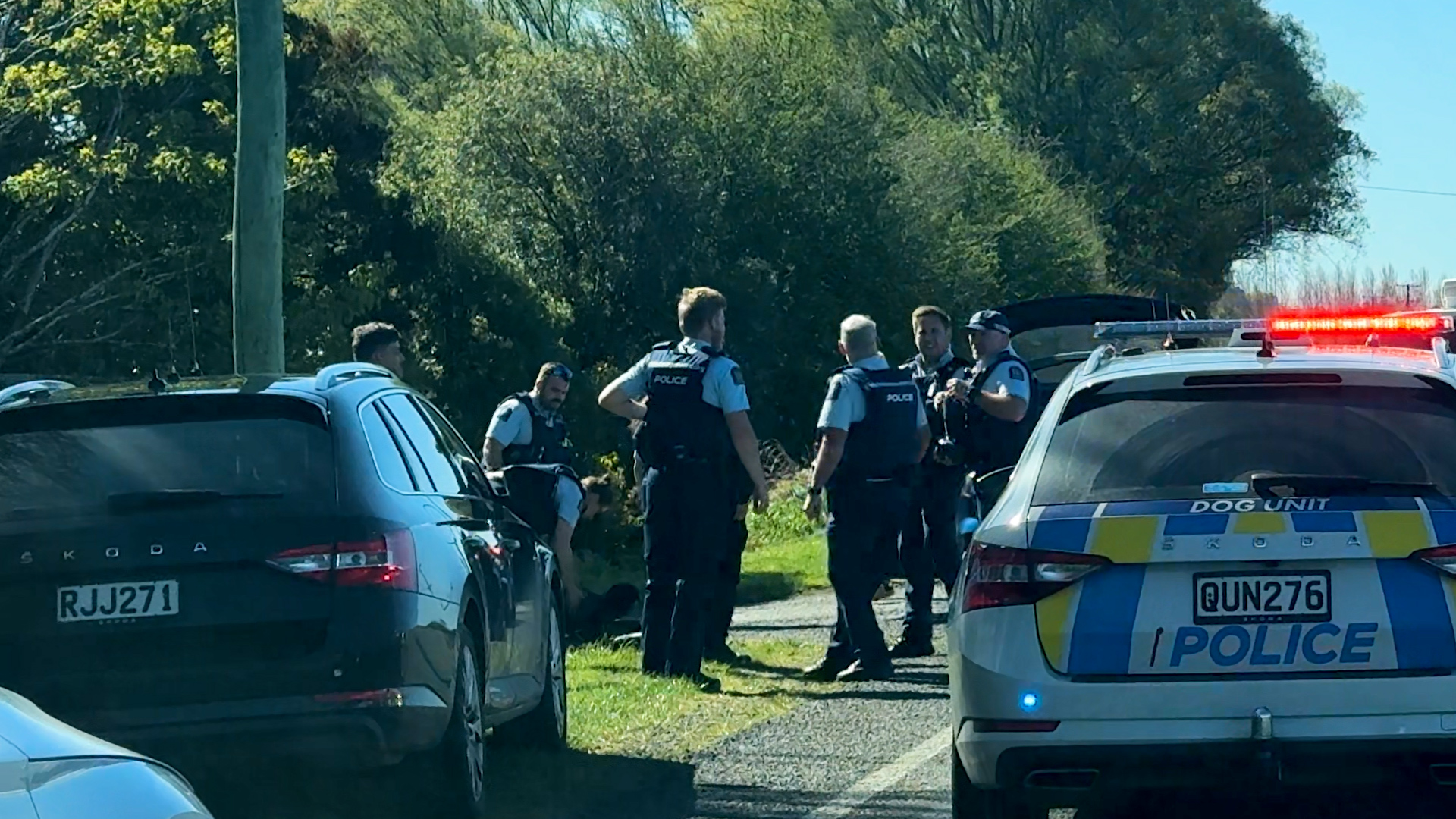
A person has been seriously injured on State Highway 75, Christchurch Akaroa Road. A police...

BodyFix Gym Christchurch in Phillipstown has taken out two major honours at the Exercise New...

Local MPs have found areas of agreement on major Resource Management Act reforms, during a...

A series of public events have been organised across Christchurch and Lyttelton over the coming...

A woman was taken to hospital after a ‘water incident’ at Parakiore Recreation and Sport...

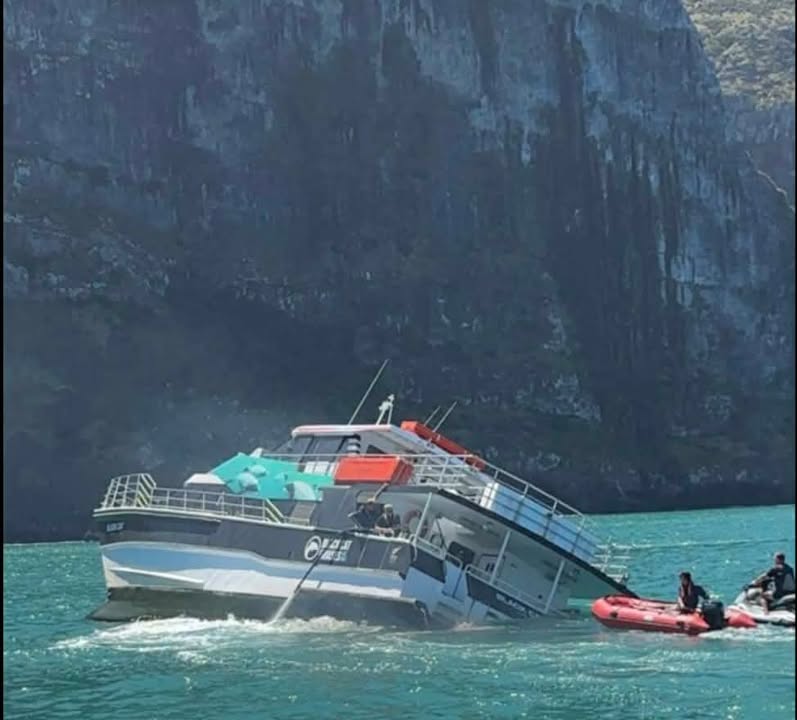
The Black Cat vessel grounded in Akaroa has suffered more significant damage than first believed, with authorities now saying it is likely the full load of marine diesel fuel on board has been released into the sea.
Response teams remain on site at Nīkau Palm Valley Bay today, overseeing environmental monitoring and planning a complex recovery operation following yesterday’s incident.
Initial assessments carried out this morning indicated the vessel sustained extensive damage, and it is likely all marine diesel fuel previously on board entered the water.
Authorities said fuel sheens around the vessel have been decreasing throughout the day, suggesting the environment is coping with the release.
Wildlife specialists remain on standby, with precautions in place to protect the surrounding area.
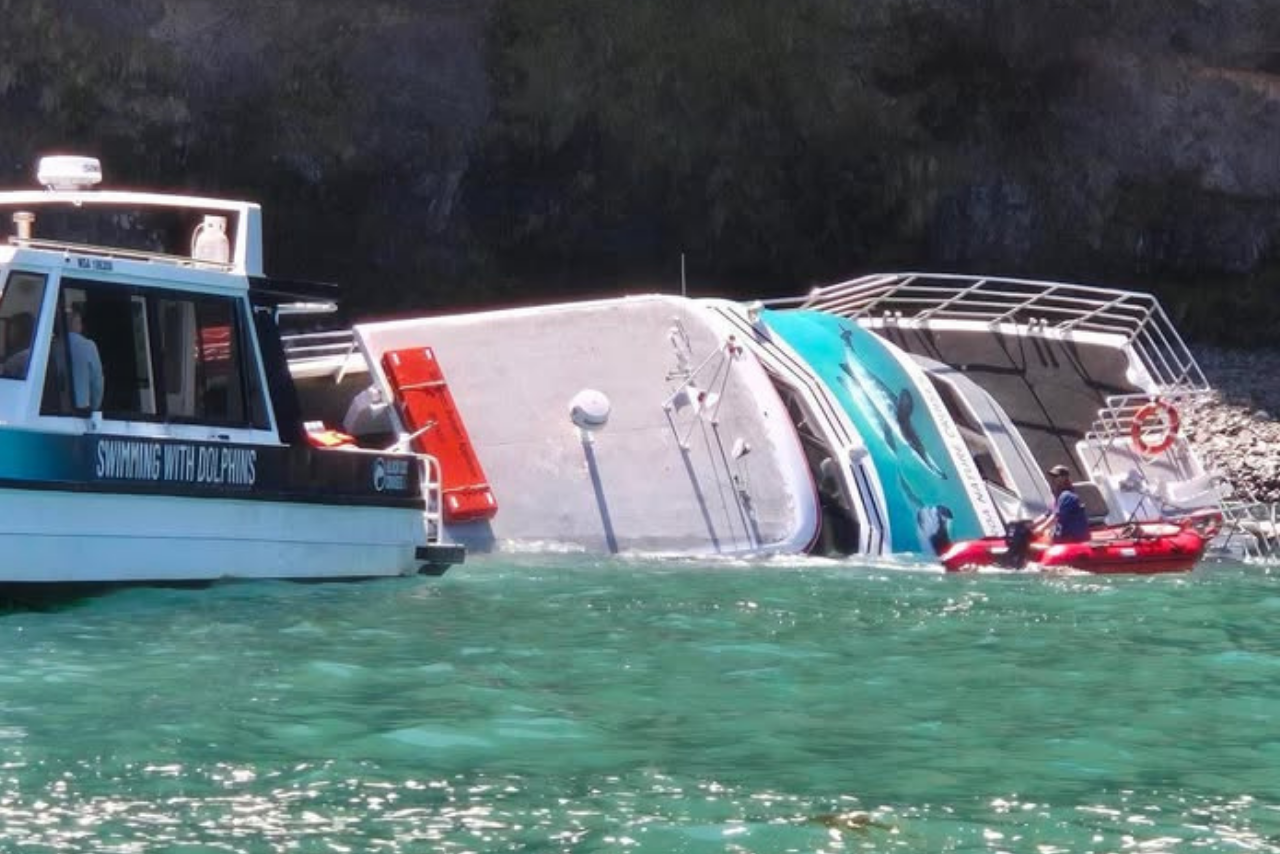
No wildlife in distress has been observed at this stage.
Regional On Scene Commander Emma Parr said recovery planning was now well underway, involving multiple agencies and partners.
“This is a complex operation, and we appreciate the support of all agencies and the local community as we work through the safest approach,” Parr said.
She said teams were working closely with iwi partners, the Department of Conservation, the vessel owner, and a specialist salvage team to ensure the recovery minimised further environmental risk.
“Our focus is on protecting the environment and ensuring the recovery is carried out safely and in a way that minimises further risk to the environment,” Parr said.
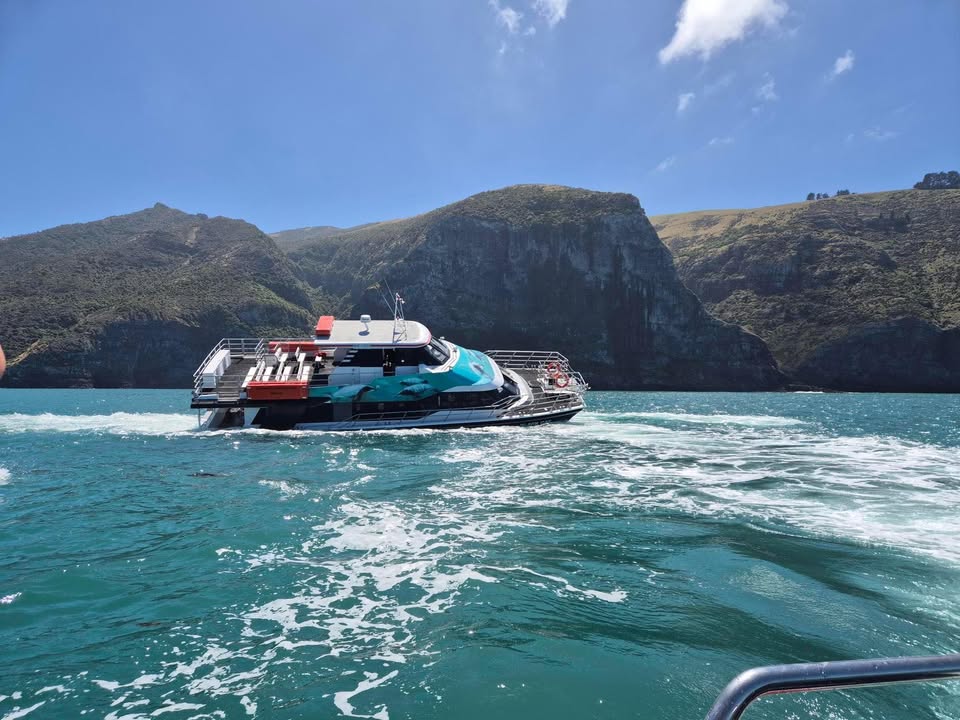
Photo sent to chrislynchmedia.com
Current planning indicates the recovery will be carried out in two phases.
The first phase is expected to occur within the next 24 hours and will involve moving the vessel into deeper water, where it can be submerged in a controlled manner to prevent further structural damage from wind and sea conditions.
The second phase will involve lifting and removing the vessel from the area once it has been stabilised. The timing of this stage will depend on weather conditions, sea state, and operational safety requirements.
An exclusion zone remains in place around the vessel, with all non response vessels required to stay clear to ensure the safety of those involved in the operation.