Escaped youth tracked by Eagle helicopter, found hiding in New Brighton
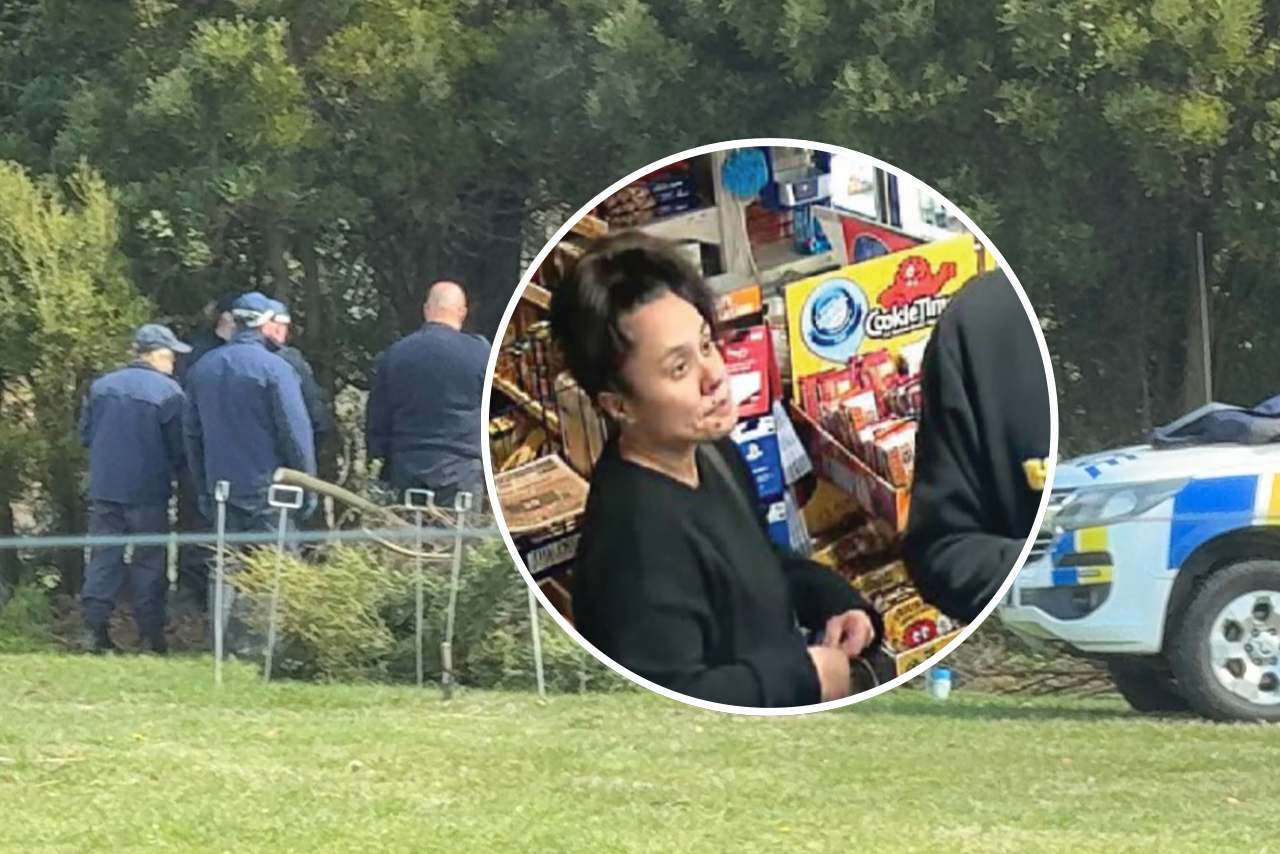
The young person who escaped from a youth justice facility in Rolleston has been located...


The young person who escaped from a youth justice facility in Rolleston has been located...

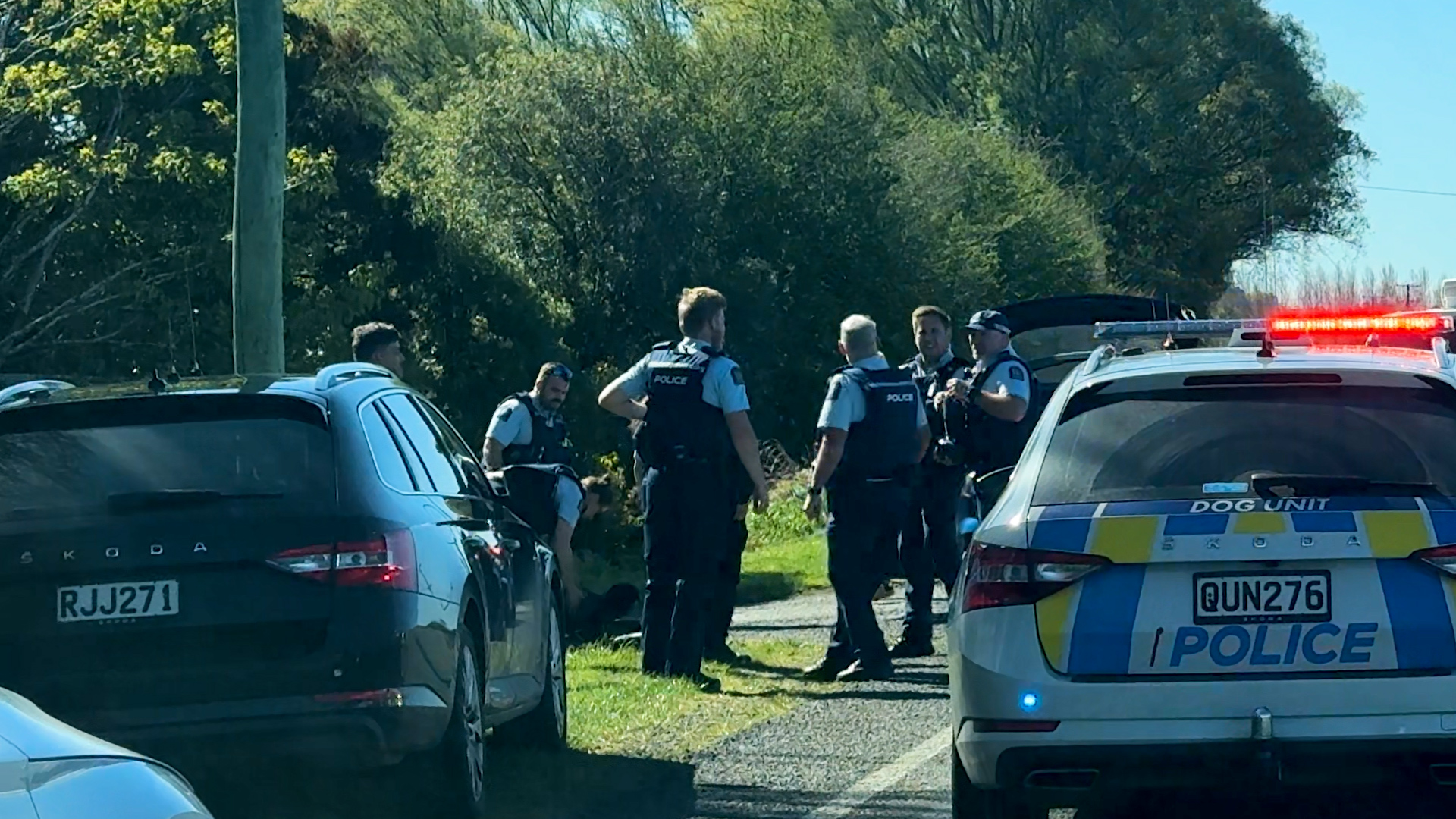
A person has been seriously injured on State Highway 75, Christchurch Akaroa Road. A police...

BodyFix Gym Christchurch in Phillipstown has taken out two major honours at the Exercise New...

Local MPs have found areas of agreement on major Resource Management Act reforms, during a...

A series of public events have been organised across Christchurch and Lyttelton over the coming...

A woman was taken to hospital after a ‘water incident’ at Parakiore Recreation and Sport...

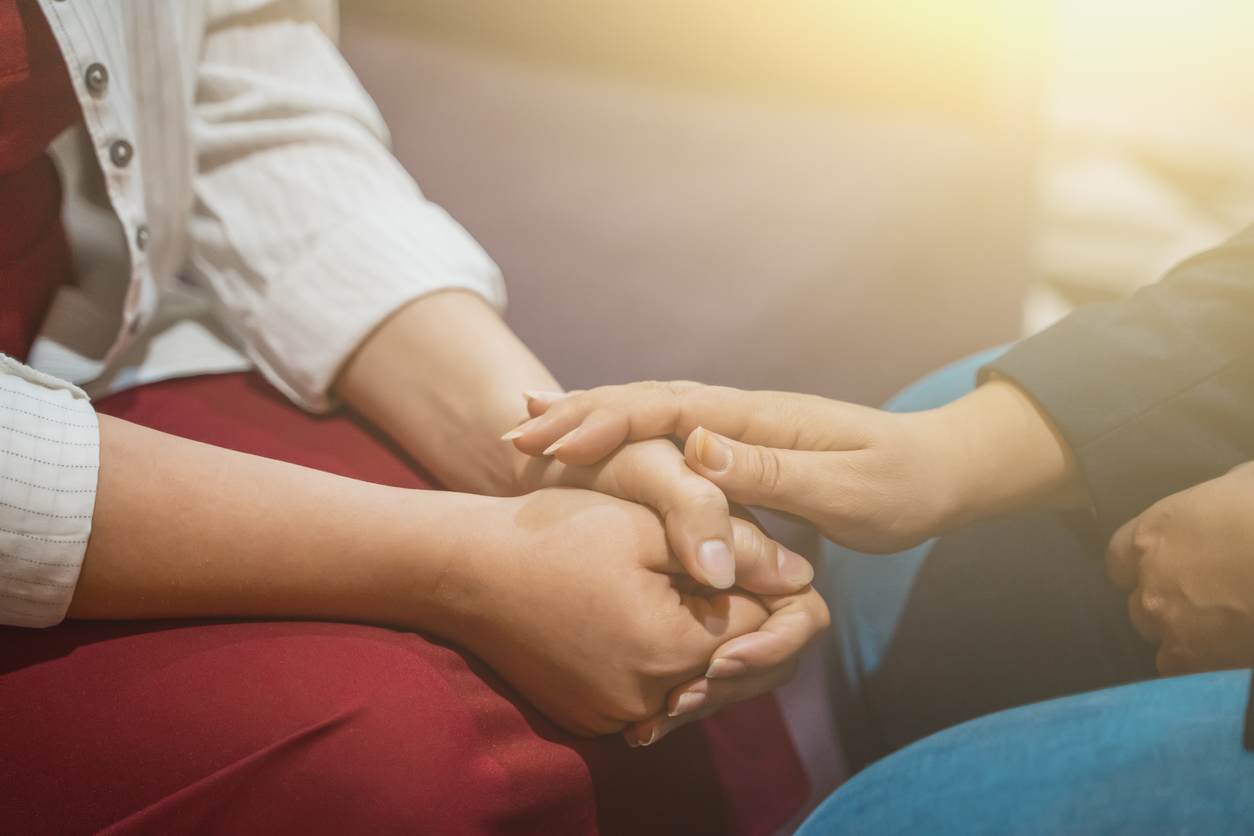
Mental health co-response teams have been announced for Canterbury, Auckland, Bay of Plenty, and Counties Manukau, marking the first stage of a national rollout aimed at changing how 111 mental distress calls are handled.
Minister for Mental Health Matt Doocey said the teams would work alongside police to provide a health focused response to people experiencing a mental health crisis.
“It’s not right when a concerned mum, dad, friend, or colleague calls 111 looking for a mental health response and they receive a criminal justice response. This Government is changing that by rolling out a better crisis response,” Doocey said.
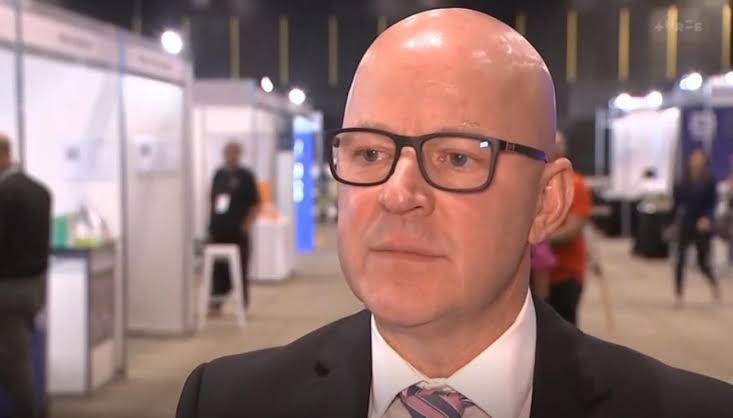
Mental Health Minister Matt Doocey
Budget 2025 committed $28 million to establish 10 mental health co response teams across the country and increase crisis helpline capacity.
The teams pair mental health workers with frontline police officers, allowing them to attend mental health related callouts together and provide immediate support while connecting people with appropriate services.
Doocey said an evaluation of the Wellington co response model showed fewer people were detained under the Mental Health Act, fewer were taken to emergency departments or police stations, and more wraparound support was provided.
“This is important because over the years I have heard from advocates, those with lived experience, and families who said having a uniformed police officer turn up during a mental health crisis can be disheartening and distressing,” he said.
“Most of the time, these people have not done anything criminally wrong, yet a police officer turns up at what can be the lowest point in their life.”
Doocey said police did an excellent job in communities but were not mental health professionals, which was why emergency responses needed to change.
“There are around 73,000 mental health related 111 calls made each year. By expanding co response teams across the country, we will improve mental health outcomes for many of those people,” he said.
The Government said the rollout built on changes already made through the police change programme, including a 60 minute handover target from police to emergency department staff and a requirement for people held under the Mental Health Act in police custody to be transferred to a health facility within 30 minutes.
Doocey said the co response teams were part of the Government’s broader mental health plan to improve access to support, increase frontline capacity, and deliver a better crisis response.
The four teams are expected to be operating by 30 June 2026, with six further locations to be announced later.