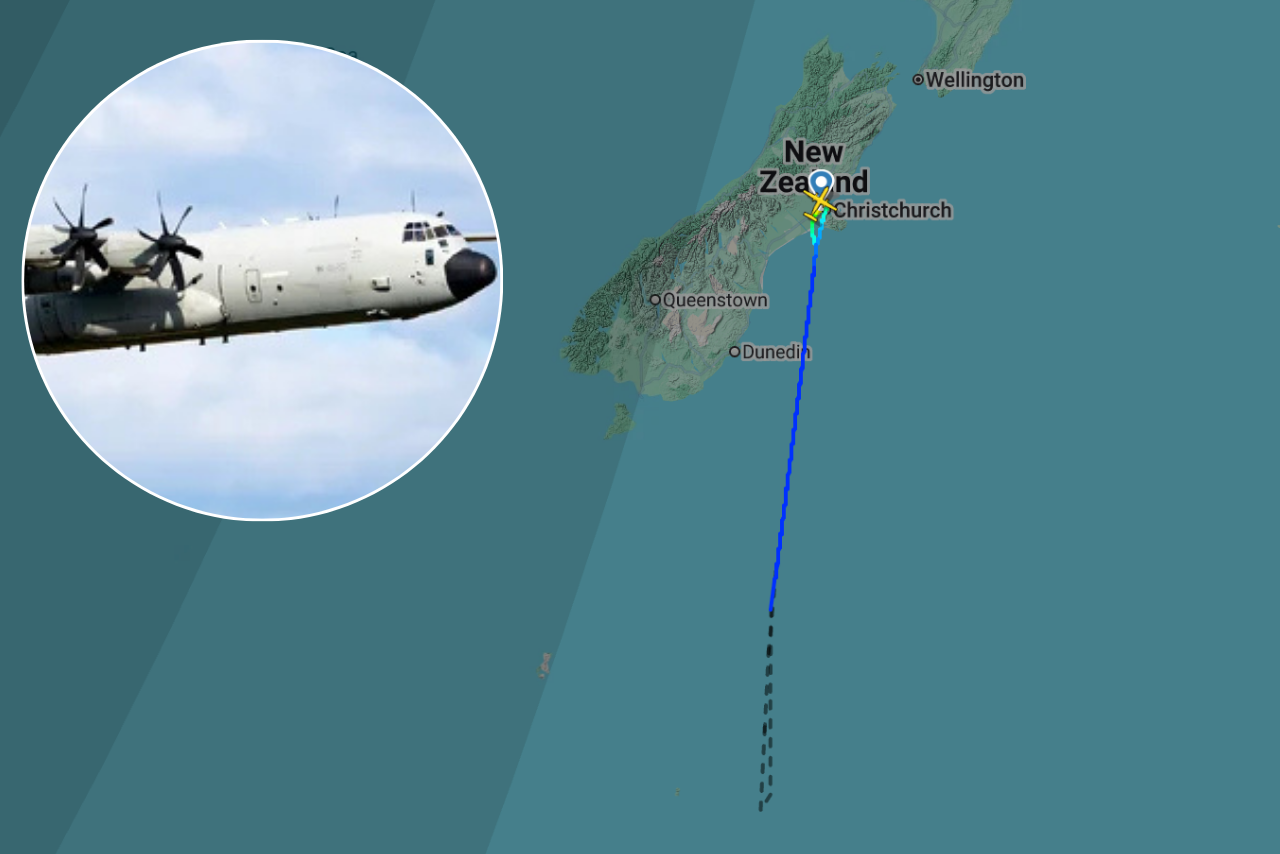
Escaped youth tracked by Eagle helicopter, found hiding in New Brighton
The young person who escaped from a youth justice facility in Rolleston has been located...


The young person who escaped from a youth justice facility in Rolleston has been located...

A person has been seriously injured on State Highway 75, Christchurch Akaroa Road. A police...

BodyFix Gym Christchurch in Phillipstown has taken out two major honours at the Exercise New...

Local MPs have found areas of agreement on major Resource Management Act reforms, during a...

A series of public events have been organised across Christchurch and Lyttelton over the coming...

A woman was taken to hospital after a ‘water incident’ at Parakiore Recreation and Sport...

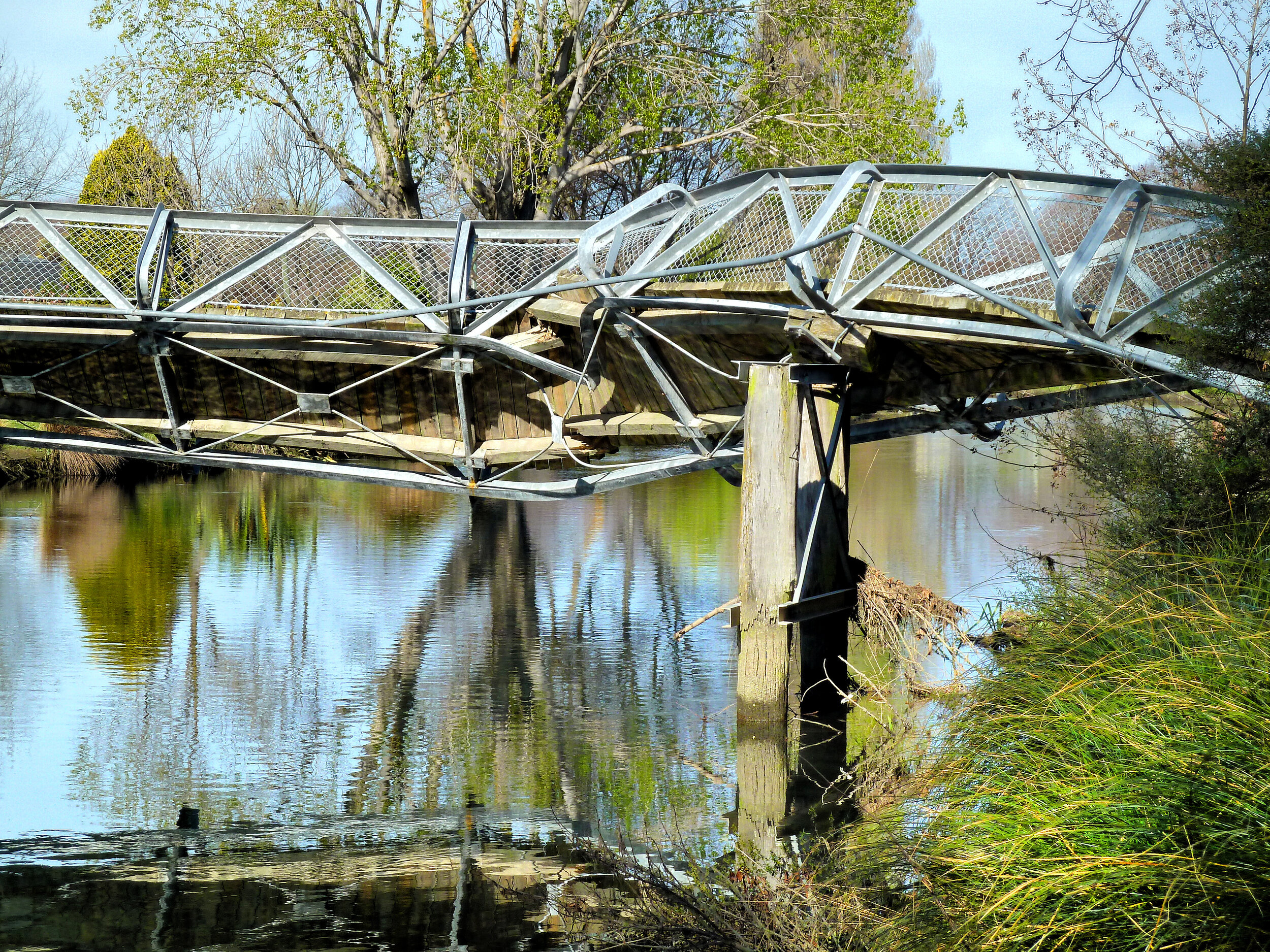
The badly twisted Medway Street footbridge. Photographer Stephen Taylor said “the September 4th 2010 earthquake in Christchurch was so violent that the banks of the Avon River moved towards each other. This footbridge being metal had to twist sideways to release the pressure of being pushed from both river banks. It looked like it had been wrung out like a wet towel”.
Ten years ago today, Cantabrians were woken by a major, unexpected shake.
At 4.35 a.m. on 4 September 2010, the Canterbury region was struck by a large magnitude 7.1 earthquake.
It shook Cantabrians, their properties, their land and their lives.
Audio heard across New Zealand on the Newstalk ZB network during the morning of Saturday 4th 2010
Many thousands of people faced a massive clean-up, the rebuilding of their homes and businesses, and a lengthy process of physical and psychological recovery – while being jolted by aftershocks, and living in fear of another large earthquake.
This threat became grim reality on 22 February 2011 when the fatal quake struck.
The 4 September 2010 earthquake was the largest to affect a major urban area since the 7.8-magnitude shock that struck the Hawke’s Bay region on 3 February 1931.
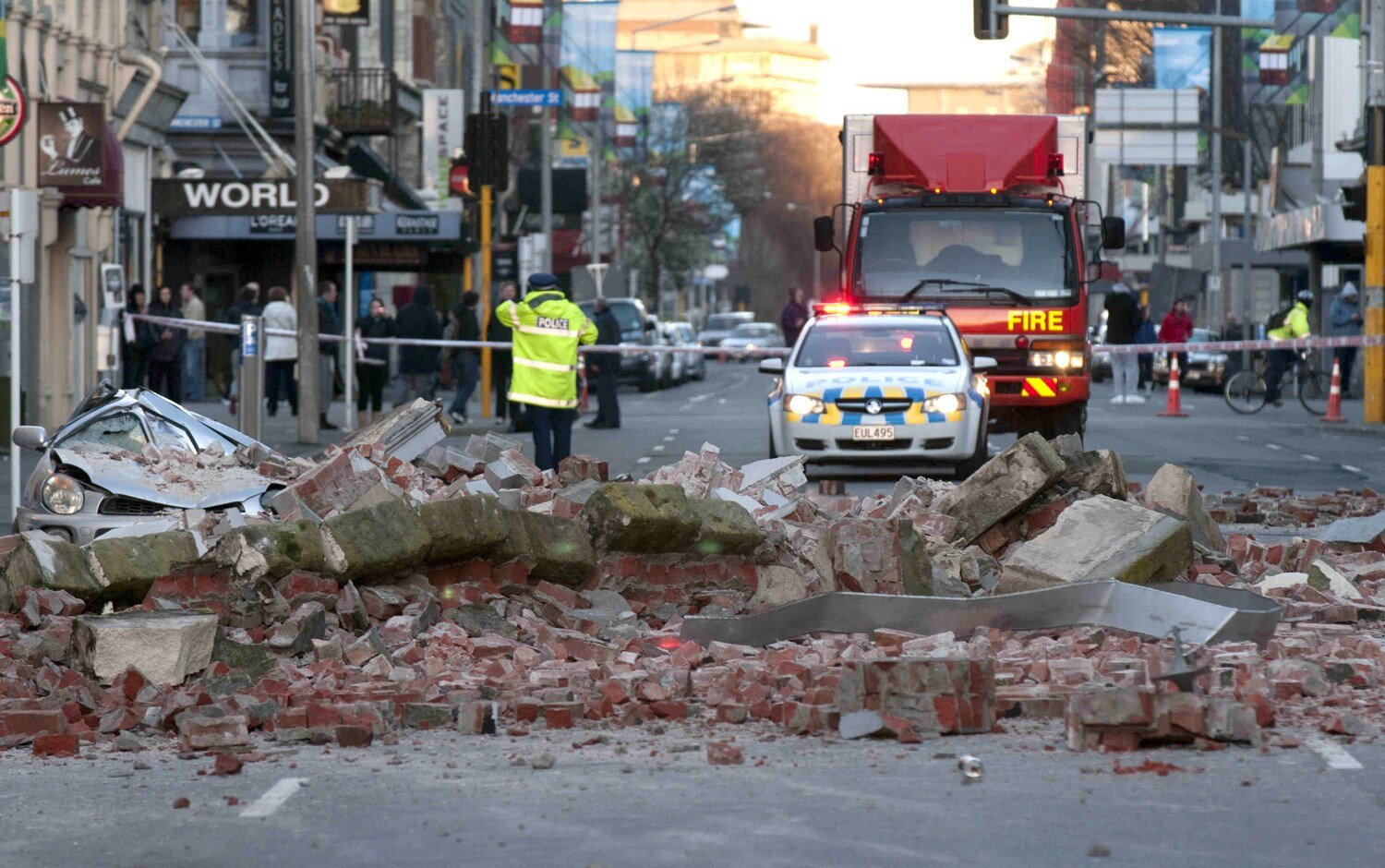
A police officer stands on a street blocked by rubble following an earthquake in Christchurch, New Zealand.David Alexander / NZPA via AP
It was relatively shallow – around 10 km deep – and produced the strongest earthquake ground-shaking ever recorded in New Zealand.
Ground near the Darfield epicentre moved at up to 1.25 times the acceleration due to gravity.
As well as damaging properties and the local economy, the earthquake had both physical and psychological effects on Canterbury residents.
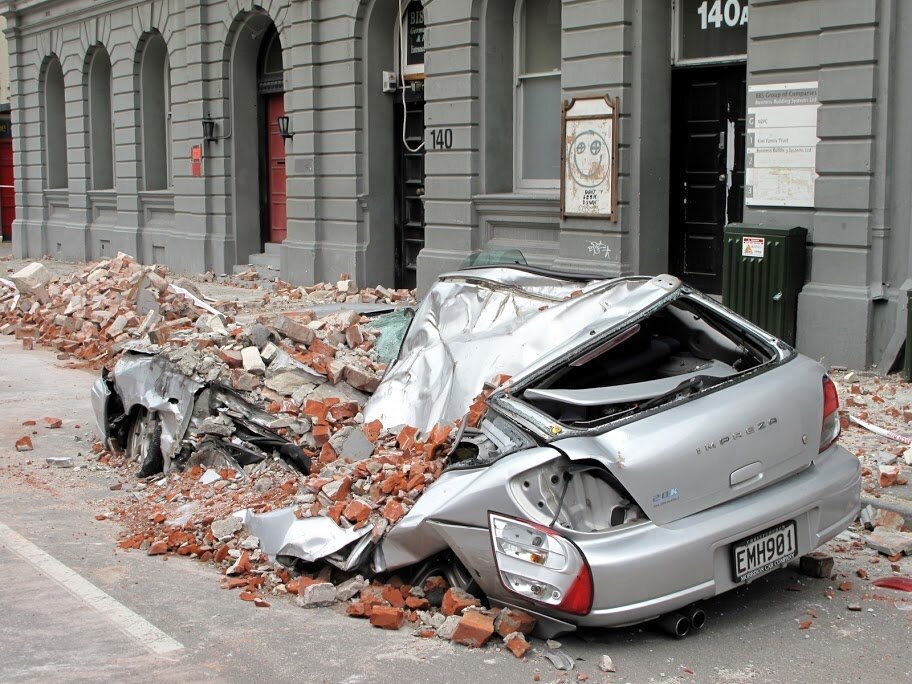
Photo credit: Ross Becker, Car crushed by falling rubble on Lichfield Street, Christchurch.
EQC Chief Resilience and Research Officer Dr Jo Horrocks said “little did we know on 4 September 2010, that the 7.1 Darfield earthquake was the announcement of a decade of the most destructive seismic activity that New Zealand has seen for more than 75 years.”
“What we have also seen during this time, is New Zealand scientists and engineers responding to these earthquakes with innovations in techniques and advances in science, driven by a vision to reduce the harm to people and communities and wherever possible, reduce risk for the future.”
“Although we now have a decade of science answers, being science, we also have a decade of new questions.”
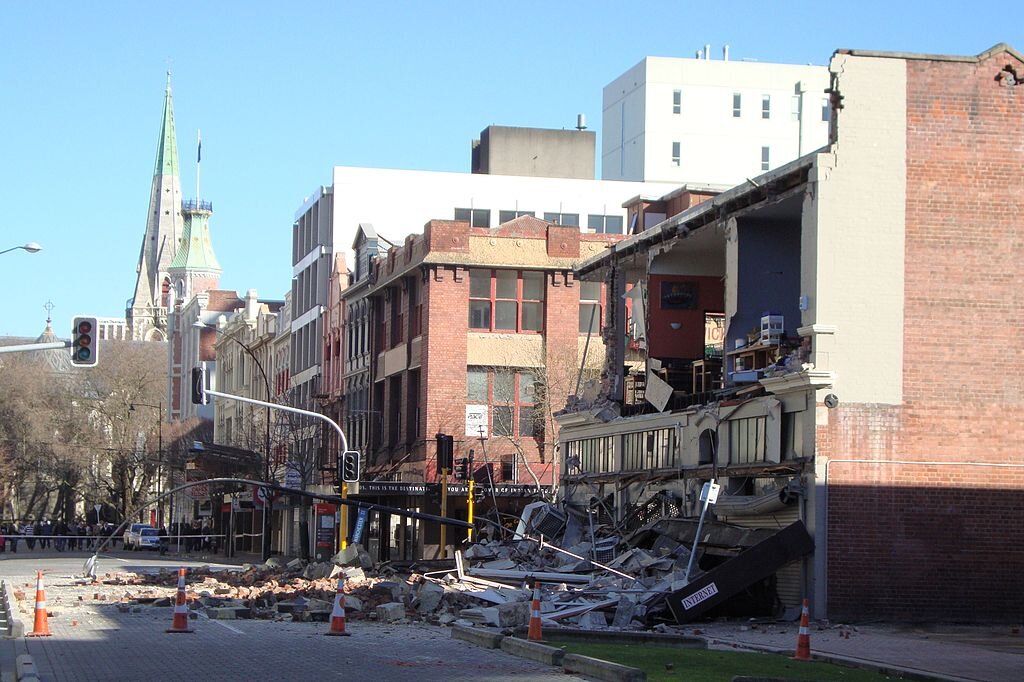
Building damage in Worcester Street, corner Manchester Street, with Christchurch Cathedral in the background