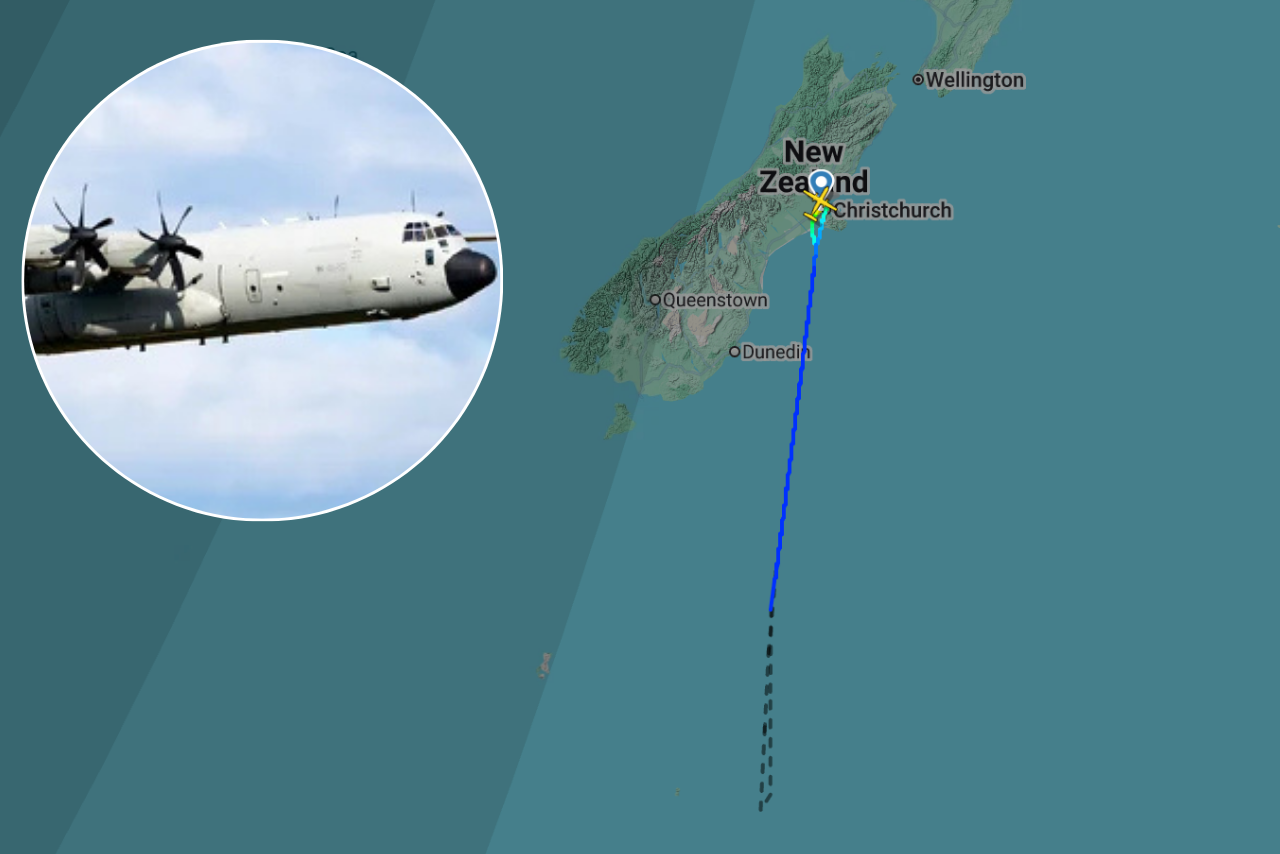
Escaped youth tracked by Eagle helicopter, found hiding in New Brighton
The young person who escaped from a youth justice facility in Rolleston has been located...


The young person who escaped from a youth justice facility in Rolleston has been located...

A person has been seriously injured on State Highway 75, Christchurch Akaroa Road. A police...

BodyFix Gym Christchurch in Phillipstown has taken out two major honours at the Exercise New...

Local MPs have found areas of agreement on major Resource Management Act reforms, during a...

A series of public events have been organised across Christchurch and Lyttelton over the coming...

A woman was taken to hospital after a ‘water incident’ at Parakiore Recreation and Sport...

Christchurch residents will be asked to save water even though the city’s underground pipes are severely leaking billions of litres of water.
The Christchurch City Council has confirmed it might impose city-wide water restrictions “unless residents change the way they use water outdoors.”
On average, there are 50 service requests relating to water per day and most of these are for leaks.
11.64 billion litres of water was lost last year because of leaky pipes.
In October council received just over 1564 service requests regarding leaky pipes, compared with 1598 for the same period last year.
Surprisingly, there is no specific budget for leaks and “the response is part of the overall maintenance budget for the water supply network.”
Council Head of Three Waters and Waste Helen Beaumont said the $2.2 billion SCIRT programme included only repair or replacement of earthquake damaged pipes that were expected to fail within 5 years.
“The current problem relates to the large portions of the network arriving at the end of their lives as well as the remaining earthquake damage.”
She said “works completed on the water supply network were mainly repairs rather than pipe replacements so although the particular hole or break in a pipe was repaired, the pipe itself remained and has a potential to suffer further breaks in future due to old age or microscopic defects caused by the earthquake that reduce pipe life but do not result in an immediate break or leak.”
Helen Beaumont said “the key concern is we might have to impose city-wide water restrictions earlier and for longer unless residents change the way they use water outdoors.”
“If enough people water wisely, we might be able to get through the summer without the need for water restrictions, or at least avoid heavy restrictions.”
“If we do need to impose restrictions, it’ll be to ease the pressure on the water supply network. When it gets really hot we struggle to get water through the pipes and into the reservoirs fast enough to meet the extraordinary demand. If we can’t keep the reservoirs filled, the pressure drops across the network.”
“It also leaves us exposed in the event of a fire, because having enough water in the reservoirs is essential for fire-fighting.”