Christchurch Public Hospital is seeing a surge in cases of Respiratory Syncytial Virus (RSV).
It follows yesterday’s news the hospital’s Emergency Department was dealing with a high volume of patients as first reported by Chris Lynch Media.
A Christchurch mother told Chris Lynch Media her 10-month-old was admitted to the hospital’s paediatric ward with RSV last week.
“The paediatric emergency department was so overrun with COVID and RSV patients, it took six hours to see a doctor and 13 hours to be transferred to a ward,” she said.
“There are four cases at her daycare and 11 patients on our ward alone with RSV. Two had to be moved to another ward because there just isn’t enough room.
The nurses have been fantastic despite being so stretched. I always thought, ‘oh, just another bug,’ but it’s actually so horrific! I wouldn’t wish this upon anyone, which is why I decided to raise the issue. People have a right to know so that we can protect our children. I can hear all the upset, sick babies on the ward, and it’s such a helpless feeling.”
RSV is a common respiratory illness that typically causes mild, cold-like symptoms but can be serious for young infants, older adults, and individuals with certain health conditions. It accounts for roughly 40% of all acute respiratory infection hospitalizations. Those with asthma, COPD, diabetes, chronic heart failure, and advanced liver or renal disease are at greater risk of severe infection from RSV.
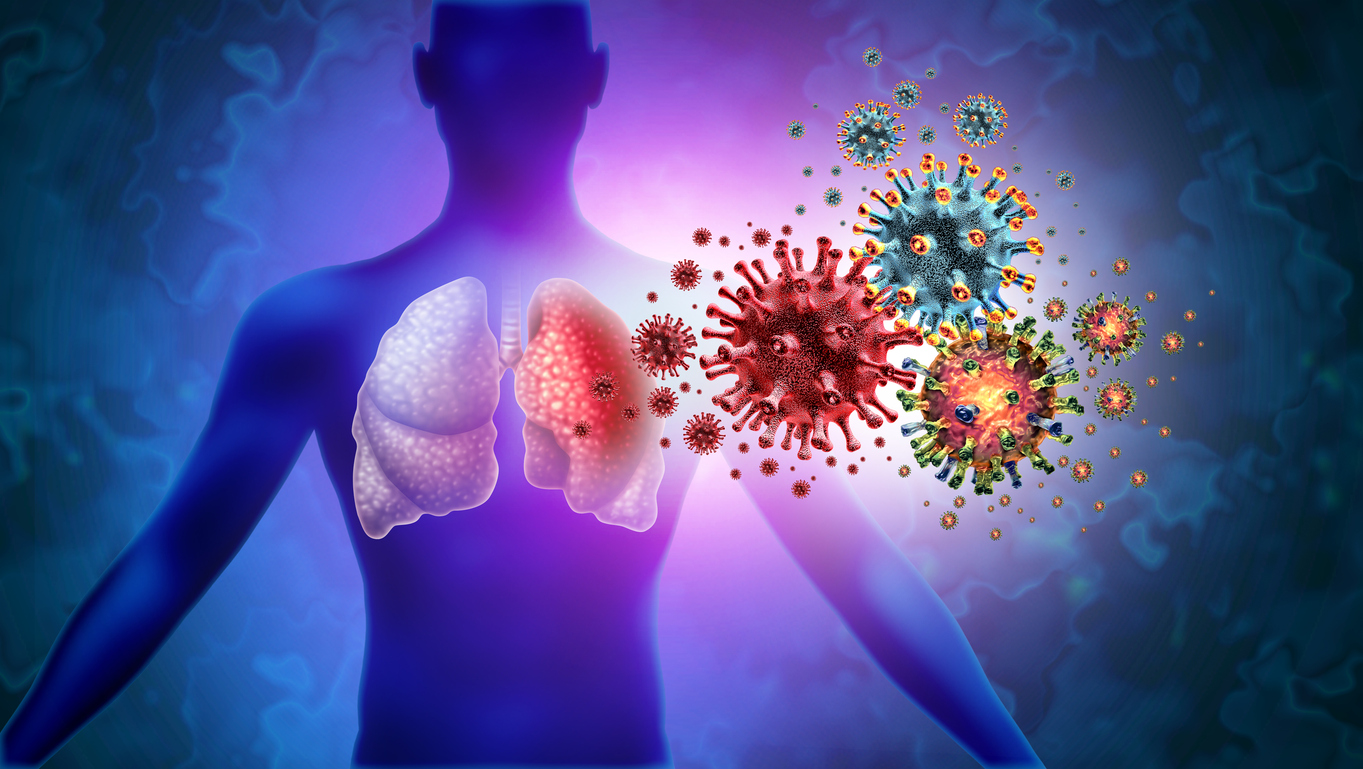
Triple Virus Lung Infection and Tripledemic Human lung infection and respiratory inflammation disease as influenza flu outbreak or pneumonia and pulmonary inflammatory illness with 3D illustration elements.
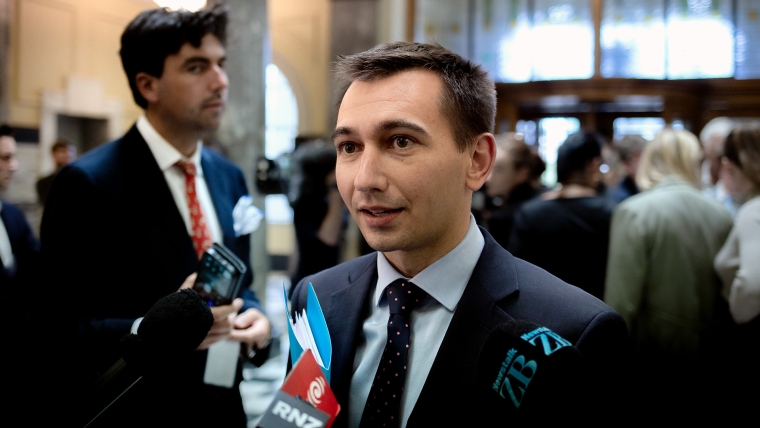
Health NZ spokeswoman Becky Hickmott confirmed the was a rise in respiratory and winter-related illnesses at the emergency department.
“We are starting to see an increasing number of patients, including children, with a range of respiratory and winter-related illnesses presenting to our emergency department, as expected at this time of year.”
“Over the past few days, we have seen a combination of influenza, RSV, Rhinovirus, and COVID-19 at Christchurch Hospital. The numbers of each vary day-by-day, but our rates of RSV and flu are increasing.
“Most of our admissions for children have been for those two years and under, which is normal for our paediatric wards. Some cases have had severe illnesses, but young babies don’t seem to have been disproportionately affected,” she added.
Hickmott said they were prepared for a challenging winter and expected respiratory illnesses to increase.
She said most cold and flu symptoms can be managed at home and for non-urgent concerns, you can contact the free Healthline (0800 611 116) or Plunket line (0800 933 922) to speak to a registered nurse, or see your local GP, healthcare providers or community pharmacy, or access a telehealth provider.
Anyone who needs urgent or emergency care should come to our ED or call 111.
Key points about respiratory syncytial virus (RSV) infection
Respiratory syncytial virus (RSV) is a very common virus in the winter and spring months in New Zealand.
RSV causes infections of the respiratory tract (the parts of the body related to breathing).
The symptoms are similar to a cold.
Most children don’t have serious problems.
In some babies and young children, the virus can cause serious illness including bronchiolitis and pneumonia.
These babies and young children may need hospital care.
RSV spreads very easily – wash hands regularly and keep babies and young children away from people who have colds and coughs.
If your baby or child has any new respiratory symptoms, please keep them away from daycare or school until they no longer have symptoms, and call Healthline on 0800 611 116.
What is RSV infection?
Respiratory syncytial virus (RSV) is a very common virus in the winter and spring months in New Zealand. It is one of many viruses that cause infections of the respiratory tract. The respiratory tract includes the nose, windpipe, air passages in the lungs, and the lungs.
How can you catch RSV?
RSV is very easy to catch. Infectious droplets spread through the air after an infected person coughs, sneezes, or talks. You can also catch RSV by touching a surface with infected saliva or mucus.
Children often catch RSV at school or daycare and can take it home to their baby brothers and sisters who can get very sick from RSV. Almost all children get an RSV infection by the time they are 2 years old. RSV outbreaks are more common in the winter and spring months.
How serious is RSV infection?
Most older children have symptoms similar to a common cold. But, babies and very young children can get very sick and may need to go to the hospital. In this age group, RSV can also cause bronchiolitis and pneumonia.
Which children are most at risk of RSV infection?
Those at highest risk of getting very sick include:
Young babies
Premature babies
Babies and young children with heart or lung problems
Babies and young children with weakened infection-fighting (immune) systems
Babies and young children who are around people who smoke
A paediatrician may talk with you about medicine to prevent serious illness caused by RSV in high-risk babies.
What are the signs and symptoms of RSV infection?
The symptoms of RSV infection include:
A runny nose
Coughing
Sneezing
Fever
Wheezing and difficulty breathing
Loss of appetite or difficulty feeding due to breathlessness
In very young babies with RSV, the only symptoms may be:
Being irritable
Decreased activity
Breathing difficulties
Someone is usually infectious (can spread the virus) for up to 10 days after symptoms begin.
What should I do if my baby or child has new respiratory symptoms?
If your child has any new respiratory symptoms, keep your baby or child home from childcare centres or school. Phone Healthline (for free) on 0800 611 116 or your doctor as soon as possible for advice. Make sure to phone your doctor before visiting.
Please keep your baby or child away from childcare centres or school until they no longer have symptoms.
When should I seek help for my child with RSV infection?
You should see your family doctor or go to an after-hours medical centre urgently if your baby or young child:
Is under 3 months old
Is breathing fast, has noisy breathing, and is having to use extra effort to breathe
Looks pale and unwell
Is taking less than half of their normal feeds
Is vomiting
Has not had a wet nappy for more than 6 hours
You should also see a doctor if you are worried about your baby or young child. Even if you’ve already seen your doctor, if your child’s breathing gets worse or you are worried, take your child back to the doctor.
When should I dial 111?
Dial 111 within New Zealand (use the appropriate emergency number in other countries) and ask for urgent medical help if your baby or young child:
Has blue lips and tongue
Has severe difficulty breathing
Is becoming very sleepy and not easy to wake up
Is very pale
Is floppy
Has breathing that is not regular or pauses in breathing
What is the treatment for RSV infection?
Most children get better by themselves without any special treatment. There is no specific treatment for RSV infection. Babies and young children with more serious illness may need to go to the hospital. Sometimes babies and young children need help with their breathing, which might include extra oxygen through small soft plastic tubes that fit into your child’s nose. If your baby is not drinking enough, they may need feeding through a nasogastric tube (a tube through the nose into the stomach) or fluid through an intravenous drip (into a vein).
Can I care for my child with RSV infection at home?
Many children will be able to recover from this illness at home.
Babies and children who can stay at home
Those who are feeding or eating well
Those who do not look sick
Those who are not working too hard with their breathing
Suggestions for looking after your baby or young child
If your baby or child is sick, please keep them away from childcare centres or school until they no longer have symptoms.
Babies with RSV infection may not be able to feed for as long as usual – offer smaller feeds more often.
Give your child as much rest as possible.
Don’t smoke in the house or around your child.
Keep your baby’s nose clear – if it is blocked or crusty you can use saline nose drops (from a pharmacy).
To stop RSV infection from spreading, keep your baby or child away from other children – and keep them home from daycare and school.
If your child is miserable and upset, you can give paracetamol – you must follow the dosage instructions on the bottle; it is dangerous to give more than the recommended dose.
Remember to sleep your baby on their back in their own bed and don’t prop them up with pillows or blankets.
Is there a vaccine against RSV infection?
There is currently no RSV vaccine available for children in New Zealand. Some immunity to RSV develops over the first couple of years of life, but you are never completely protected against RSV. You can have RSV more than once but symptoms are usually milder after the first time.
How can I prevent my child from getting RSV infection?
Breastfeeding
Breastfeeding your baby protects them from getting RSV infection by boosting their infection-fighting (immune) system. Breastfeeding beyond 4 months of age offers the best protection.
Smoke-free environment
Make sure your child’s environment is smoke-free. If you want to give up smoking:
Call the free Quitline Me Mutu on 0800 778 778 or text 4006.
Check out the website Quitline.
Ask your health professional.
SOURCE: Ministry of Health New Zealand
Chris Lynch
Chris Lynch is a journalist, videographer and content producer, broadcasting from his independent news and production company in Christchurch, New Zealand. If you have a news tip or are interested in video content, email [email protected]