Escaped youth tracked by Eagle helicopter, found hiding in New Brighton
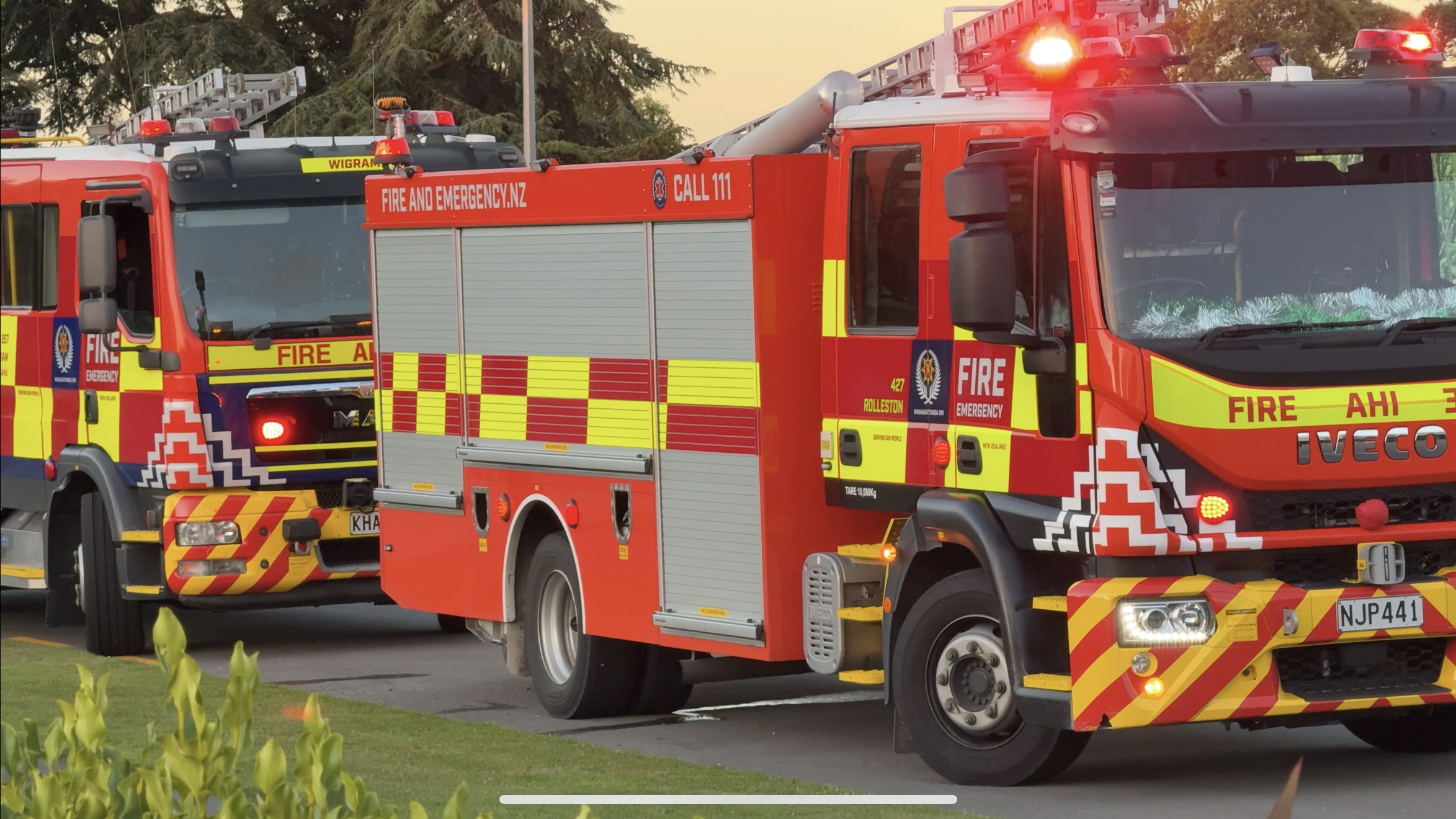
The young person who escaped from a youth justice facility in Rolleston has been located...


The young person who escaped from a youth justice facility in Rolleston has been located...

A person has been seriously injured on State Highway 75, Christchurch Akaroa Road. A police...

BodyFix Gym Christchurch in Phillipstown has taken out two major honours at the Exercise New...

Local MPs have found areas of agreement on major Resource Management Act reforms, during a...

A series of public events have been organised across Christchurch and Lyttelton over the coming...

A woman was taken to hospital after a ‘water incident’ at Parakiore Recreation and Sport...
New Zealand’s latest confirmed case of Covid-19 is a preschool-aged child from Canterbury.
The case is linked to Christchurch’s Rosewood rest home cluster as a household contact of an earlier case.
On the Ministry of Health’s website, in a downloadable spreadsheet, it says boy aged between one and four.
No further details about the case are provided.
The Canterbury District Health Board has been approached for comment, but as of 10.10PM has not responded.
This means New Zealand’s combined total of confirmed and probable cases is 1,499, of which 1,149 are confirmed cases of COVID-19.
“We now have 1,433 people reported as having recovered from COVID-19, an increase of five on yesterday. This is 96% of all confirmed and probable cases.”
“Today there are two people receiving hospital-level care for COVID-19 – one each in Auckland and Middlemore hospitals. Neither of these patients is in ICU.”
“We still have 16 significant clusters.”
“There are no additional deaths to report.”
The total number of tests completed to date is 228,148, an increase of 4,211.
Registered Clinical Psychologist Jacqui Maguire on back to school
“Monday marks the return to school, and how our children psychologically adapt back into the classroom will not be unanimous” says Registered Clinical Psychologist Jacqui Maguire.
She says “a child’s experience of lockdown, home environment, temperament, familial attitude toward COVID-19, familial financial security and their underlying mental health are factors that will contribute to the variance.”
“Some children will be so excited about the restart of school they won’t sleep the night before. Others may experience anxiety upon return or grief that lockdown and family time has ended. Conversely, some children may return indifferent, as if the last six weeks didn’t occur.”
Jacqui Maguire says “it will be important for teachers to gain awareness of how their students are adapting so they can put appropriate support measures in place. This will require 1:1 time with each student, which I acknowledge will put additional requirements on teachers.”
“In an age appropriate manner, it is advised teachers normalise the variety of emotional reactions their students may be having, and to encourage respect for their peers’ differences through this time.”
“For example, in a new entrance class, an appropriate message would be: ‘Many people in the world have been getting sick, so we all had to stay at home to stay safe. How did you find that? Scientists have now decided it’s safe for us to come back to school; as long as we remember to wash our hands often and sneeze into our elbows.”
“We will put pictures up to remind us to do these things as sometimes it’s tricky to remember. Some of us will feel happy being back at school, some of us will feel scared. Does anyone feel anything else? No matter what we feel, it’s ok! We are all going to be kind to each other, have some fun together, and slowly get used to being back at school.”
Jacqui Maguire says “in contrast, a senior class may have a discussion about life-altering events, resilience, emotional regulation, respect for others and transition.”
“Labelling emotions is critical for emotion regulation, and research clearly demonstrates we need students to be calm to learn. If a classroom has students experiencing anxiety, it is helpful to keep the classroom calm (low noise, inside voices, and warning provided for each activity).
Jacqui Maguire says “it is also important teachers are aware of their own emotional responses as they return to school. Emotions are contagious, and whilst it is understandable some may be anxious, we don’t want this imposed on children. It would be helpful for schools to encourage peer support and professional supervision if required. Teacher self-care should be actively promoted, and activities like mindfulness could be undertaken during class time to benefit the teacher and students.
“Lessons from the Christchurch earthquakes would also advise schools to set realistic expectations, actively building in time for psychological transition rather than expecting an automatic return to routine. Whilst we might be anxious to ensure our students don’t academically suffer as a result of COVID-19, initial focus on emotional wellbeing will, in the long run, equal a faster return to optimal learning conditions. After all, 2020 is not a usual academic year for students or teachers. And when we are faced with the unusual, we have to flex and adapt to move forward well.”
Wellbeing in Level 2
In a statement, The Ministry of Health says “New Zealanders have done a great job acting together against COVID-19 and we’ve worked hard to ensure physical distancing.”
“Now we’re moving to a new phase where many of us are heading back to work and school for the first time in a while.”
While some of us will be looking forward to being around people again, it might also feel strange and some people may feel anxious.
There are several different ways for people to seek help as we settle into this next phase. There is a range of different resources available at COVID-19: Mental health and wellbeing resources.