Escaped youth tracked by Eagle helicopter, found hiding in New Brighton
The young person who escaped from a youth justice facility in Rolleston has been located...


The young person who escaped from a youth justice facility in Rolleston has been located...

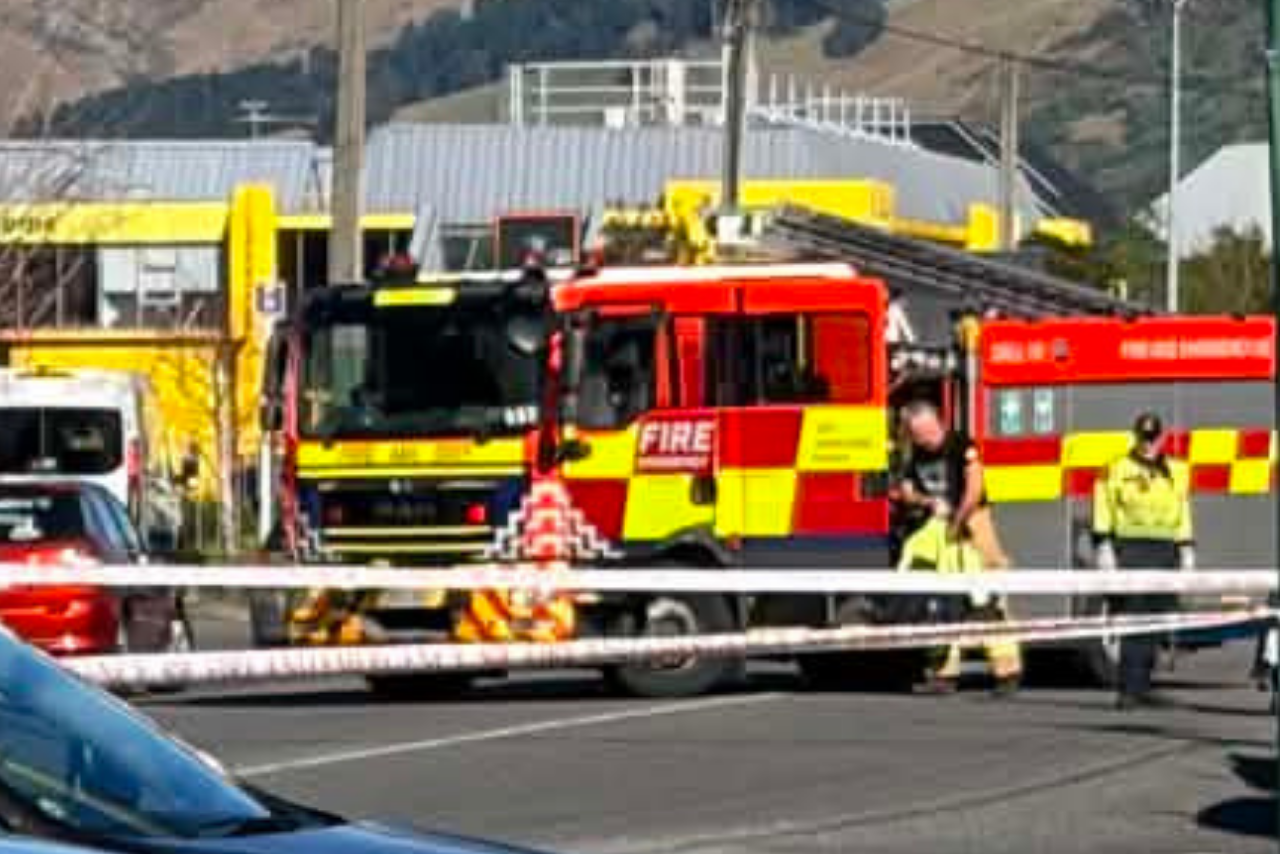
A person has been seriously injured on State Highway 75, Christchurch Akaroa Road. A police...

BodyFix Gym Christchurch in Phillipstown has taken out two major honours at the Exercise New...

Local MPs have found areas of agreement on major Resource Management Act reforms, during a...

A series of public events have been organised across Christchurch and Lyttelton over the coming...

A woman was taken to hospital after a ‘water incident’ at Parakiore Recreation and Sport...
Lebanon was already suffering a major economic downturn before the explosion, which left at least 154 people dead, 5,000 injured and 300,000 homeless according to the BBC.
The World Food Programme said the damage to Beirut’s port would interrupt food supplies and push prices up.
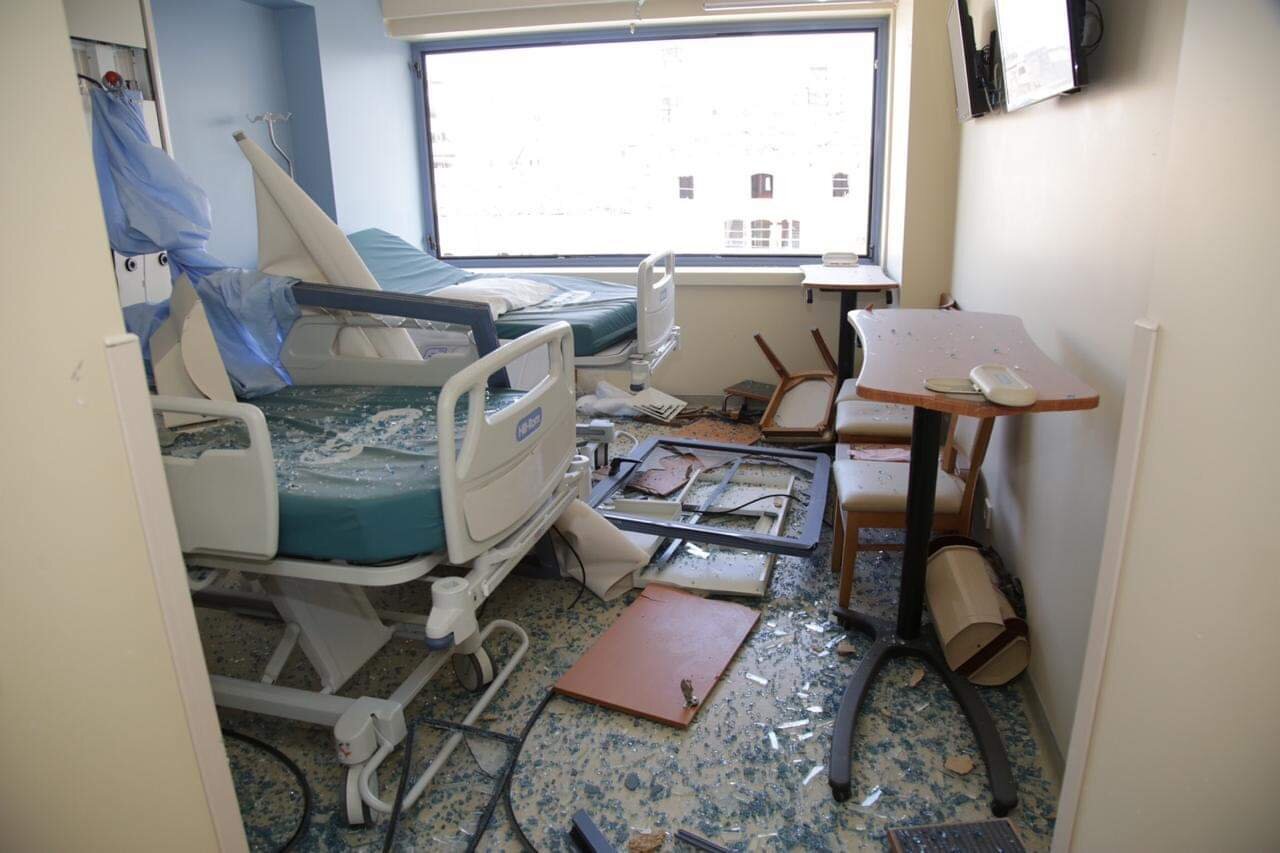
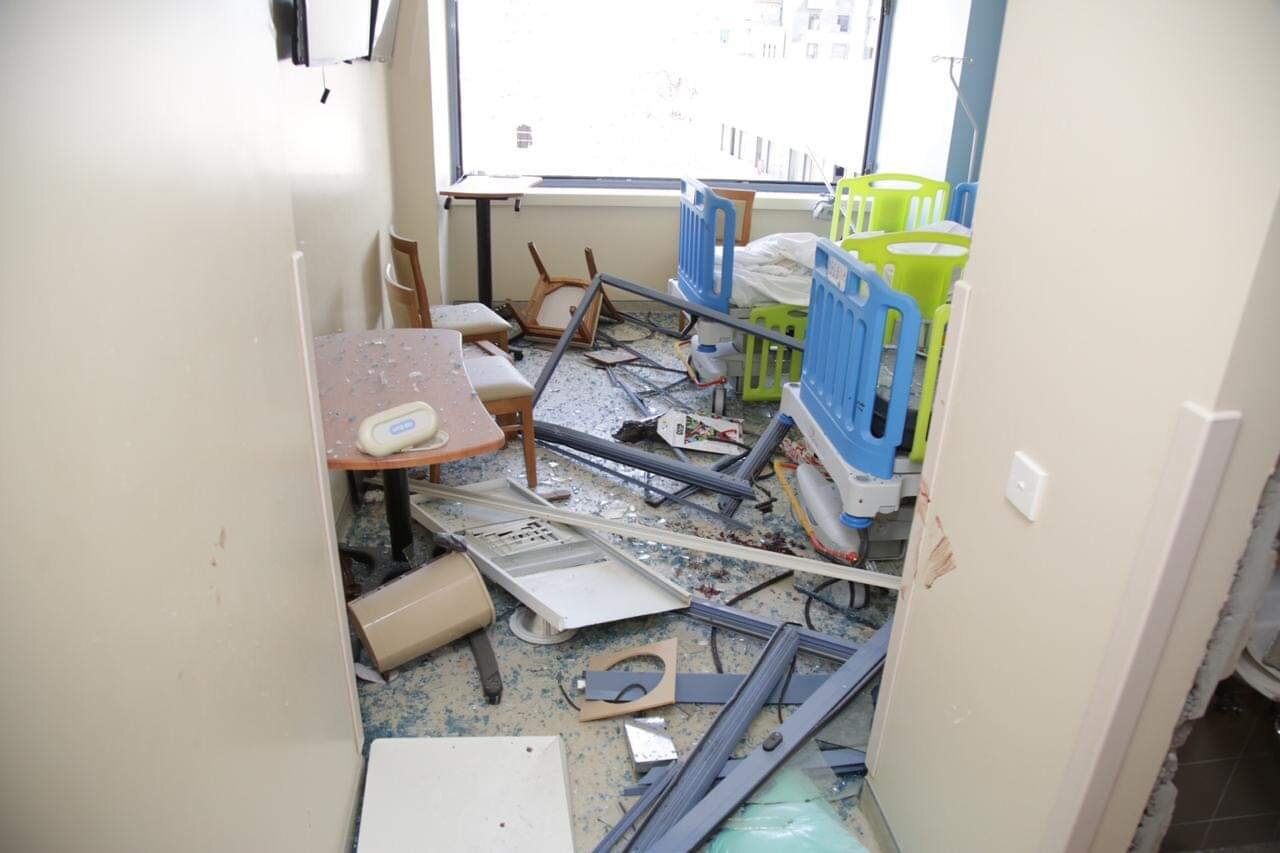
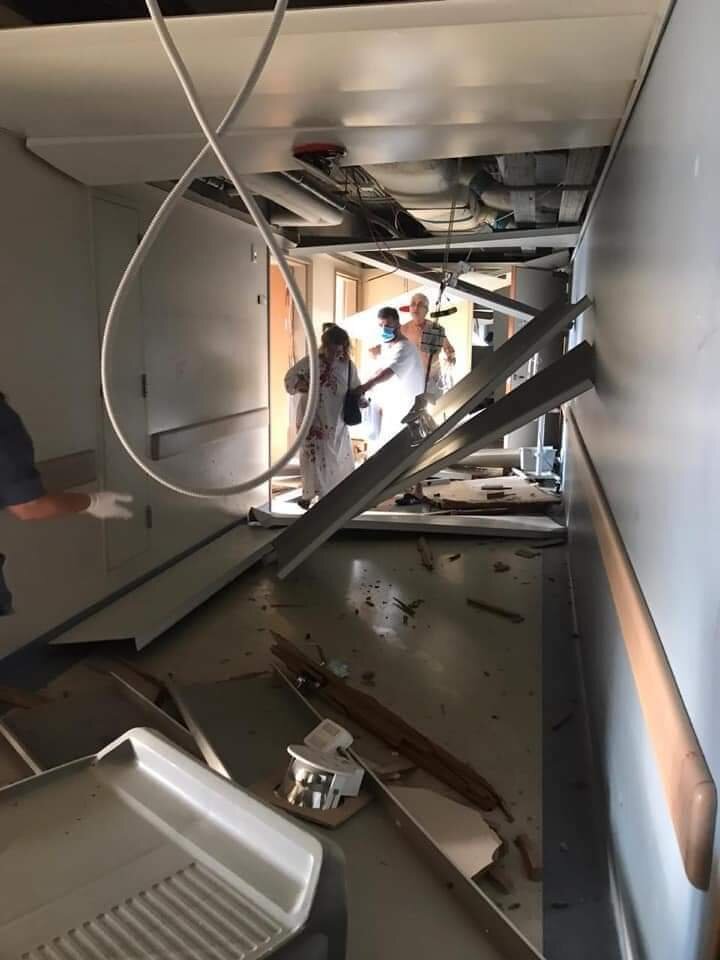
The World Health Organization said the health system was seriously damaged, with three hospitals out of action.
Meanwhile, BBC reports Lebanese President Michel Aoun rejected calls for an international investigation into the explosion, and said local authorities would examine whether it was triggered by “external interference” such as a bomb.
Five hospitals are either non-functional or partially functional, requiring injured patients to be transferred to health facilities across the country.
COVID-19 remains a concern in Lebanon. Due to the blast, 17 containers of WHO medical supplies were destroyed, with personal protective equipment items completely burnt.
For more than a decade, officials, watchdog groups and Lebanon’s media have reported on widespread corruption at the Port of Beirut, including bribery and hiding of merchandise from custom duties or taxes.
AP reports one former finance minister has said corruption at the port cost the state more than $1 billion a year in revenues.
The investigation into the blast is focusing on how the chemical stockpile came to be stored in the port’s Warehouse 12 and why it was never dealt with. Authorities have promised to issue results within days, and President Michel Aoun promised whoever was responsible would be punished.
Sources: AP / Wires Limited / photos WHO.