Escaped youth tracked by Eagle helicopter, found hiding in New Brighton
The young person who escaped from a youth justice facility in Rolleston has been located...


The young person who escaped from a youth justice facility in Rolleston has been located...

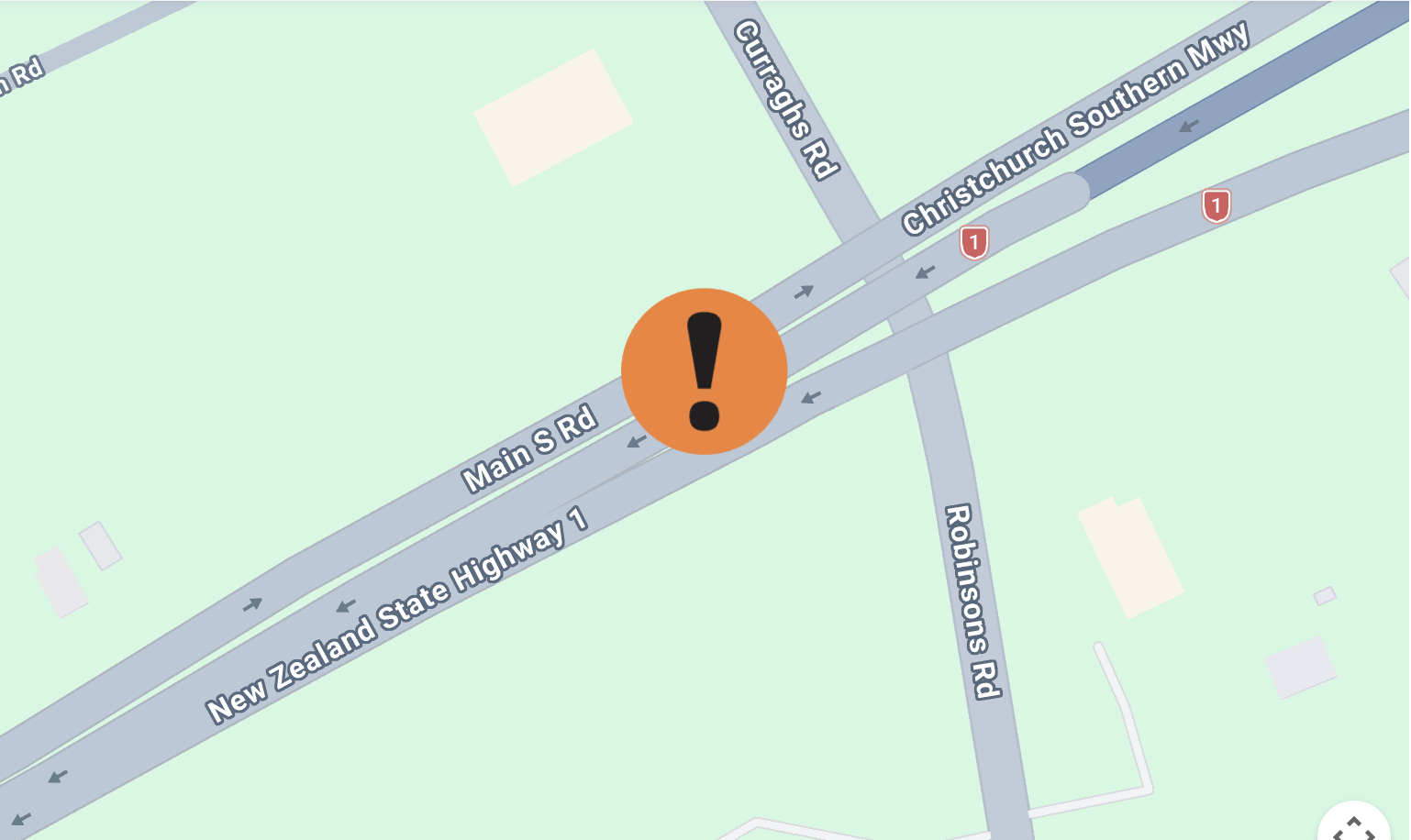
A person has been seriously injured on State Highway 75, Christchurch Akaroa Road. A police...

BodyFix Gym Christchurch in Phillipstown has taken out two major honours at the Exercise New...

Local MPs have found areas of agreement on major Resource Management Act reforms, during a...

A series of public events have been organised across Christchurch and Lyttelton over the coming...

A woman was taken to hospital after a ‘water incident’ at Parakiore Recreation and Sport...

The Independent Police Conduct Authority has found three searches conducted by Police following the 15 March Mosque attacks were unlawful.
Following the attacks, police identified people of interest to national security and set up an operation aimed at mitigating the potential for future acts of violence.
The operation resulted in the searching the individuals’ home or place of work without warrant and seizing their firearms and firearms licences. The searches generated a number of complaints about Police actions. Of those investigated by the Authority, three searches were found to be unlawful.
In relation to two of those searches, the The Independent Police Conduct Authority says police relied on the provisions of section 18 of the Search and Surveillance Act 2012.
This gives Police the power to enter and search a place where they suspect an offence against the Arms Act 1983 has been committed and the person is incapable of having proper control of the firearm(s) or may kill or cause injury to someone. The Authority found in these two cases those circumstances did not exist when the searches were conducted therefore, they were unlawful.
The third case related to Police entering a house where they relied on section 14 of the Search and Surveillance Act 2012. This provides the power to enter and search without warrant in circumstances where it is believed an offence is being or is about to be committed, or there is risk to life or safety that requires an emergency response. Again, the Authority found those circumstances did not exist at the time therefore the entry into the house was unlawful.
Authority Chair, Judge Colin Doherty said he recognised that Police were operating in an environment of unprecedented and heightened risk following the March 15 attacks, and there was a public expectation they take action to mitigate any further risks. “It was therefore entirely appropriate that they set up an operation to eliminate or mitigate risk of further violence and ensure public safety. However, it is evident that in relation to these three searches, they did not give sufficient consideration to their legal powers of search and seizure”.
POLICE REACTION
Police have acknowledged the Authority’s findings in these cases and the Authority notes in two of the cases Police have formally apologised for the unlawful searches.
Canterbury Police District Commander Superintendent John Price,
These searches were part of a significant national security operation, conducted in the aftermath of the terrorist attacks on two Christchurch mosques,” says Superintendent John Price, Canterbury District Commander.
Following the terrorist attacks, a significant number of searches were carried out, in relation to possible persons of interest.
The three searches examined by the IPCA were part of that larger piece of work.
“I am confident that the officers involved in these three searches were acting with the best of intentions, and were absolutely focused on mitigating risk and preventing further harm in our community,” says Superintendent Price.
“Police acknowledge the IPCA’s findings around legal powers of search and seizure in two of the three cases and shall be looking to work with the Authority to seek a solution through lessons learned. Police have formally apologised to those involved.”