Escaped youth tracked by Eagle helicopter, found hiding in New Brighton
The young person who escaped from a youth justice facility in Rolleston has been located...


The young person who escaped from a youth justice facility in Rolleston has been located...

A person has been seriously injured on State Highway 75, Christchurch Akaroa Road. A police...

BodyFix Gym Christchurch in Phillipstown has taken out two major honours at the Exercise New...

Local MPs have found areas of agreement on major Resource Management Act reforms, during a...

A series of public events have been organised across Christchurch and Lyttelton over the coming...

A woman was taken to hospital after a ‘water incident’ at Parakiore Recreation and Sport...


Environment Canterbury is warning the Government’s replacement for the Resource Management Act must retain a strong regional voice and robust environmental protections, a day after the Government moved to scrap existing iwi agreements from the reforms altogether.
On Monday, RMA Reform Minister Chris Bishop announced alongside Prime Minister Christopher Luxon existing Mana Whakahono ā Rohe agreements will not transfer into the new system at all.
The Bills as introduced would have preserved them, and the Environment Select Committee had recommended keeping those transition arrangements, but Cabinet overrode that position.
Bishop said the Government had become concerned by a rapid increase in new agreements since the Bills were introduced late last year, when eight were in place.
He said several dozen more had been agreed or begun since. Councils will instead have the option of entering new “narrowly scoped” iwi participation agreements, with what Bishop described as guardrails to prevent scope creep.
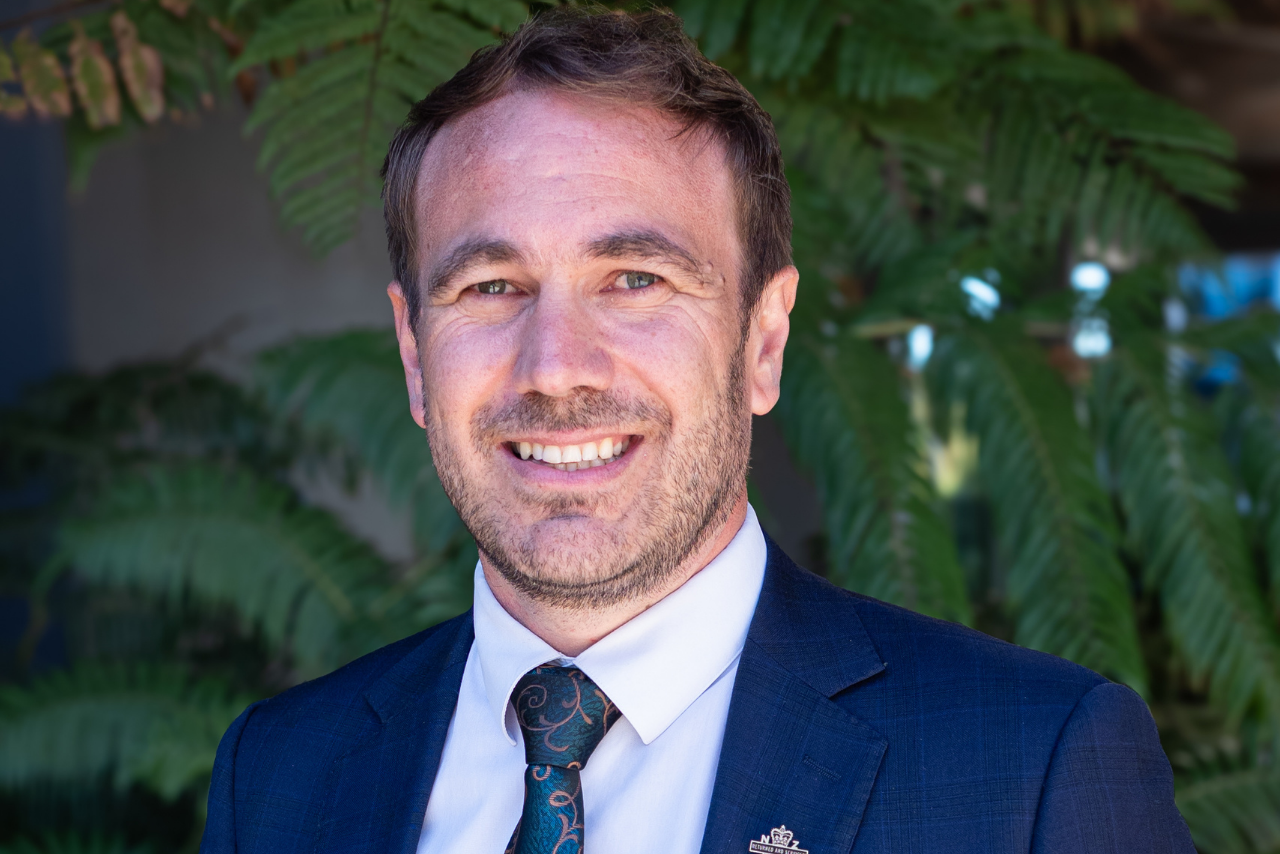
Dr Deon Swiggs / Environment Canterbury Chair
The move follows a difficult week on the issue for Environment Canterbury. Late last week the council pulled consideration of a draft Mana Whakahono ā Rohe agreement with Ngāi Tahu from its Strategy and Policy Committee agenda.
The agreements, introduced in 2016, set out how iwi feed into local planning decisions.
Canterbury Regional Council chair Dr Deon Swiggs said the council was working through the select committee report on the Government’s proposed Natural Environment Bill and Planning Bill, which will replace the Resource Management Act.
“These two large and complex Bills fundamentally change how New Zealand manages land, water and the natural environment,” Swiggs said.
The select committee has recommended the Bills proceed, with extensive amendments aimed at improving their workability and addressing issues raised through the submission process.
Responding to the changes, Environment Canterbury said it valued its close relationships with Papatipu Rūnanga and had worked successfully within the Tuia Programme for many years.
“I am interested to see how the new arrangements will operate in practice and whether they provide an effective basis for ongoing participation in resource management decision-making,” Swiggs said.
Swiggs said the council supported the goal of a clearer and more efficient planning system, including greater national consistency and a stronger emphasis on regional spatial planning.
“Canterbury continues to experience population growth, increasing infrastructure demands and pressure on natural resources. Effective long-term regional planning will remain critical,” he said.
However, Swiggs said parts of the Bills still required careful scrutiny, particularly a shift in power towards central government.
“Greater national consistency may address some of the difficulties experienced under the RMA, but the proposed reforms would also shift significant decision-making from regions and local communities towards central government,” he said.
“Ministers would have greater influence over national priorities and how competing goals are balanced. This raises important questions about the place of regional knowledge, local accountability and community participation.”
Swiggs also singled out provisions allowing environmental limits to be overridden as needing close examination.
“Canterbury communities rightly expect strong environmental stewardship alongside economic development,” he said.
“The new system needs to provide certainty for investment, housing and infrastructure while maintaining robust protections for freshwater, biodiversity, air quality and the wider environment.”
He said the potential cost to ratepayers and landowners under the proposed regulatory relief regime also remained uncertain.
“Reform must retain meaningful regional stewardship, reflect local conditions, and avoid transferring unfunded costs or environmental risks to communities,” he said.
The select committee has extended the timeframes for implementation, with regional spatial plans now required to be prepared 21 months after enactment, instead of 15.
Swiggs said that was a pragmatic response given the number of reform programmes running at the same time, but many practical implications remained unclear because key national policy directions, standards and regulations were yet to be developed.
“The detail will matter. Much of how the new system operates in practice, and the costs councils and communities may carry, will be determined through secondary legislation,” Swiggs said.
He said the select committee report was an important step but not the final one, with further changes still possible before the Bills became law.
Canterbury Regional Council will continue engaging with the Government, mana whenua, Canterbury’s territorial authorities and affected sectors as the Bills progress through Parliament.
“Our focus is ensuring the final framework is workable for Waitaha Canterbury, supports responsible development and infrastructure investment, and protects the natural environment for current and future generations,” Swiggs said.