Escaped youth tracked by Eagle helicopter, found hiding in New Brighton
The young person who escaped from a youth justice facility in Rolleston has been located...


The young person who escaped from a youth justice facility in Rolleston has been located...

A person has been seriously injured on State Highway 75, Christchurch Akaroa Road. A police...

BodyFix Gym Christchurch in Phillipstown has taken out two major honours at the Exercise New...

Local MPs have found areas of agreement on major Resource Management Act reforms, during a...

A series of public events have been organised across Christchurch and Lyttelton over the coming...

A woman was taken to hospital after a ‘water incident’ at Parakiore Recreation and Sport...

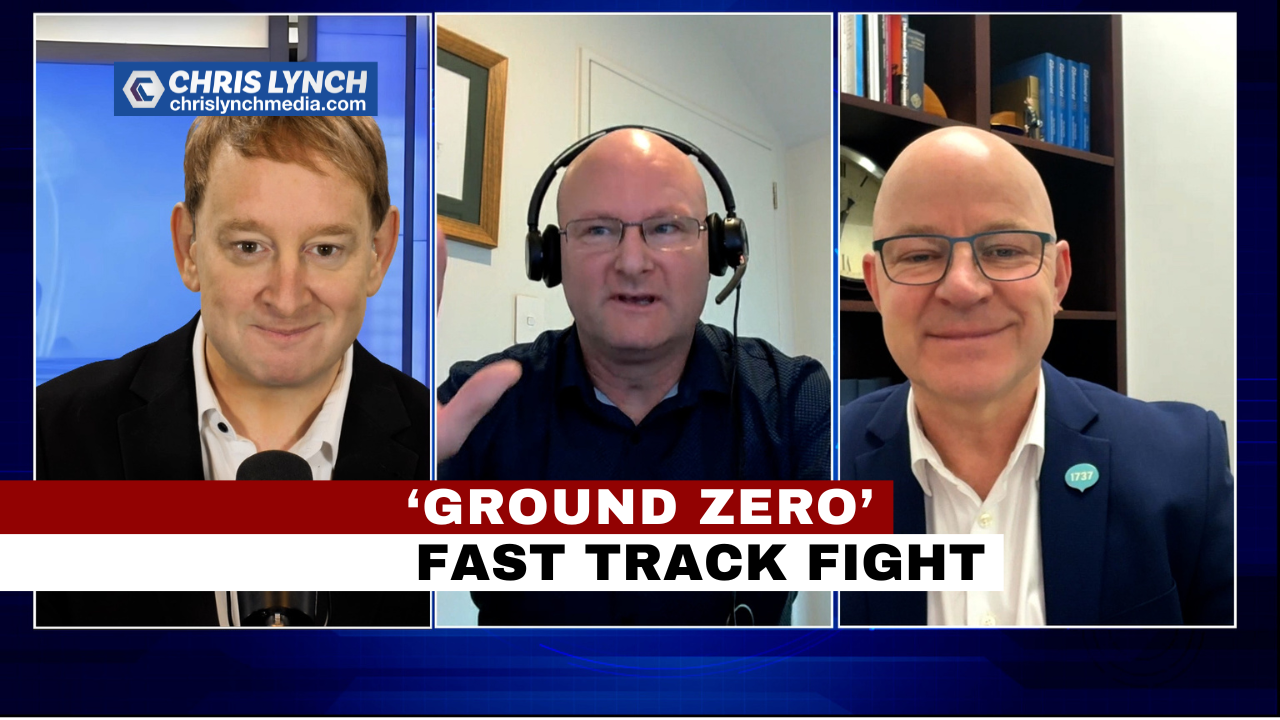
Selwyn already has enough land zoned to cover 30 years of housing growth, and fast track approvals are adding capacity the district does not need, Mayor Lydia Gliddon said.
The government says a law change is imminent to help councils recover costs from fast track developments.
Any change that made growth pay for growth was welcome, but the detail mattered and the policy had not yet been seen, Gliddon said.
She was unsure whether it would cover the costs councils were left carrying.
“I think the thing is, it’s still the community sentiment that fast track is still circumnavigating our district plan and our growth modelling,” she said.
Selwyn’s district plan sets out 30 years of housing capacity. Fast track applications sit outside that modelling, and the district was on track for roughly 50 years of capacity it had not asked for.
Selwyn was among the councils that wrote a joint letter to central government setting out criteria they wanted applied to fast track applications. Those included requiring subdivisions to pay for themselves, taking account of the cumulative effect of multiple applications across one area rather than assessing each in isolation, preventing rezoned land from being on sold, and requiring development to actually proceed rather than sit for 10 years or more.
Even with stronger cost recovery, the concern remained that the district could be required to accommodate growth it had not planned for, Gliddon said. Much of what was being proposed sat outside what the community had settled through the district plan.
“We don’t want to be creating new townships,” she said.
Fast track had a clear place for regional infrastructure of significance, Gliddon said. No one needed seven years to consent a bridge, and districts trying to unlock growth could benefit from it. Selwyn was not one of them.
Selwyn’s new after hours health service was well needed, and was exactly why the district built its health hub, Gliddon said. The service was intended for the entire district, not only Rolleston.
She met last week with Tend Health, which has bought the medical practice in Darfield, alongside Selwyn MP Nicola Grigg, to discuss how health services could be expanded across the district, including rural health.
The council was trying to shift from investing reactively to investing before people arrived, Gliddon said. That was taking a lot to change.
The council held hearings last week on proposed speed limit changes across parts of Selwyn.
Some residents did not want to be slowed down, but the data showed some intersections were dangerous even after improvements had been made, Gliddon said. Growth in urban areas also made a case for changing limits.
NZTA approved on Friday a change to the speed limit through the rural communities of Kirwee and Sheffield, dropping it from 70km/h to 50km/h, after three years of advocacy by Gliddon.
“These are townships with people walking, businesses, hives of activity,” she said.
The change takes effect only once new signs are installed, which requires NZTA to schedule the work. The current limit applies until then.
Some of the council’s own proposed speed limit changes are conditional on development being in place first, Gliddon said.