Escaped youth tracked by Eagle helicopter, found hiding in New Brighton
The young person who escaped from a youth justice facility in Rolleston has been located...


The young person who escaped from a youth justice facility in Rolleston has been located...

A person has been seriously injured on State Highway 75, Christchurch Akaroa Road. A police...

BodyFix Gym Christchurch in Phillipstown has taken out two major honours at the Exercise New...

Local MPs have found areas of agreement on major Resource Management Act reforms, during a...

A series of public events have been organised across Christchurch and Lyttelton over the coming...

A woman was taken to hospital after a ‘water incident’ at Parakiore Recreation and Sport...


A new poll has found more New Zealanders preferred a coalition of National, ACT and New Zealand First to form the next government than a Labour-led alternative.
The results also showed New Zealand First voters were strongly opposed to their party supporting a Labour-led government.
The Taxpayers’ Union and Curia Market Research survey of 1,027 voters found 45 percent favoured the current three party right bloc, compared with 39 percent who preferred a Labour, Greens and Te Pāti Māori government.
16 percent remained undecided, a notably higher figure than typical undecided rates on party vote.
Among NZ First supporters, 83 percent want leader Winston Peters to stay in coalition with National and ACT.
Just 2 percent want him to cross the aisle to Labour.
Four in five NZ First voters told pollsters they expected Peters to re-elect the current arrangement rather than change partners.
The result reinforces Peters’ pivotal position in the next parliament.
Current seat projections put the right bloc at 65 seats and the left at 55, meaning neither side can govern without NZ First’s 17 seats.
Coalition preference otherwise tracked tightly with existing loyalties.
98 percent of ACT voters backed the incumbent bloc, alongside 86 percent of National voters.
On the other side, 95 percent of Te Pāti Māori voters and 93 percent of Greens voters preferred the Labour led alternative, along with 88 percent of Labour voters.
Taxpayers’ Union spokesman Tory Relf said the findings underlined how coalition dynamics shape elections under MMP.
“In an MMP environment the coalition question matters as much as any single party’s poll number. Voters aren’t just picking a party, they are picking a government, and a plurality want a centre right one,” Relf said.
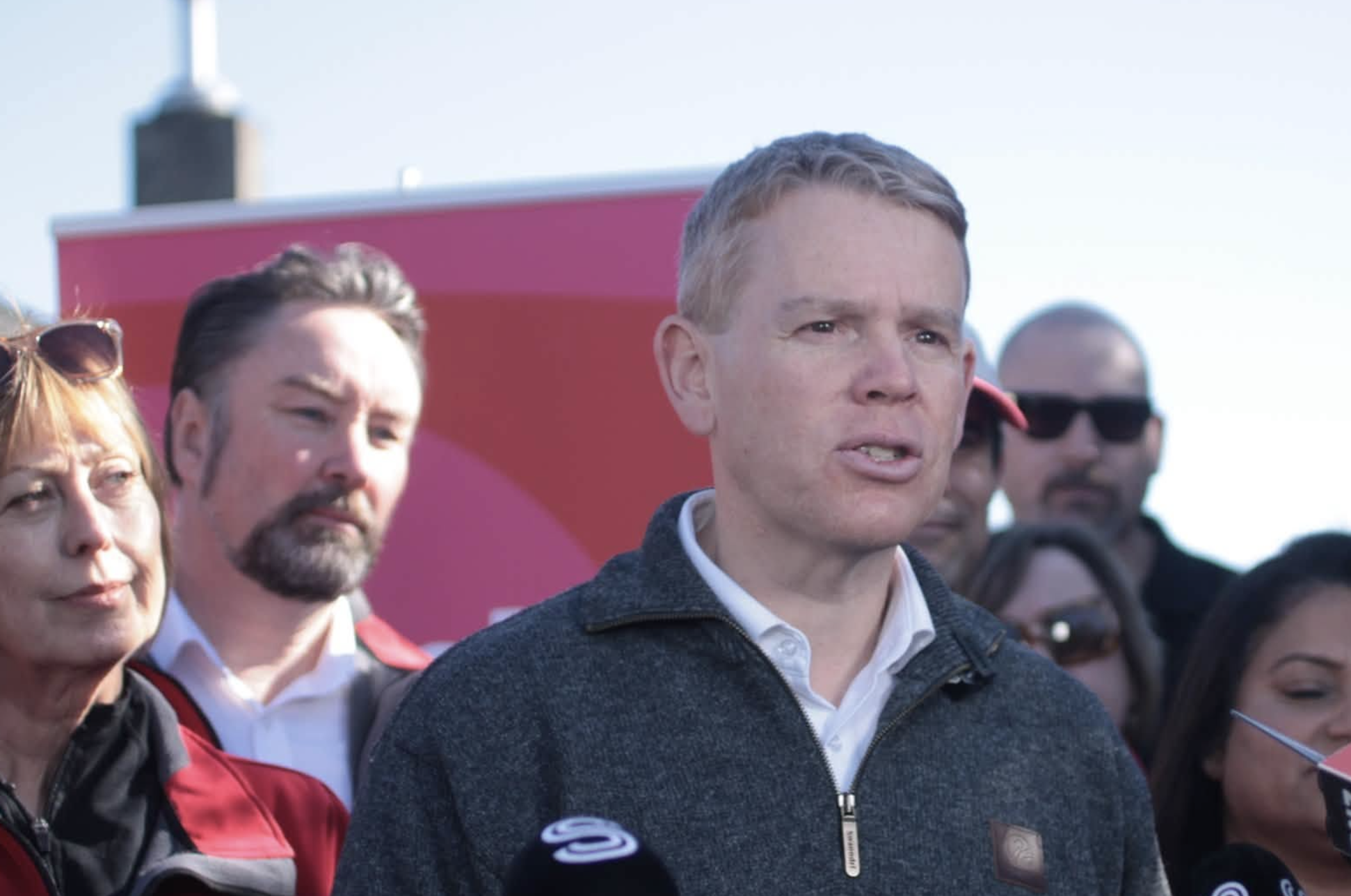
She said NZ First voters had delivered “an unmistakable signal” to Peters about their preferred direction, and warned that Labour leader Chris Hipkins faced a harder road than headline party vote numbers might suggest.
“Hipkins may be narrowing the party vote gap, but turning that into a credible alternative government is a different task altogether,” Relf said.
She argued the 16 percent undecided on coalition preference, a pool larger than any minor party commands, would ultimately decide which bloc took power.
“Whichever bloc makes the more compelling case will pick them up, and with them, the balance of power.”
The poll was conducted by Curia Market Research for the New Zealand Taxpayers’ Union between Wednesday 1 April and Thursday 2 April 2026, using a combination of landline, mobile and online panel responses. It carries a maximum margin of error of plus or minus 3.1 percent at the 95 percent confidence level.