Escaped youth tracked by Eagle helicopter, found hiding in New Brighton
The young person who escaped from a youth justice facility in Rolleston has been located...


The young person who escaped from a youth justice facility in Rolleston has been located...

A person has been seriously injured on State Highway 75, Christchurch Akaroa Road. A police...

BodyFix Gym Christchurch in Phillipstown has taken out two major honours at the Exercise New...

Local MPs have found areas of agreement on major Resource Management Act reforms, during a...

A series of public events have been organised across Christchurch and Lyttelton over the coming...

A woman was taken to hospital after a ‘water incident’ at Parakiore Recreation and Sport...

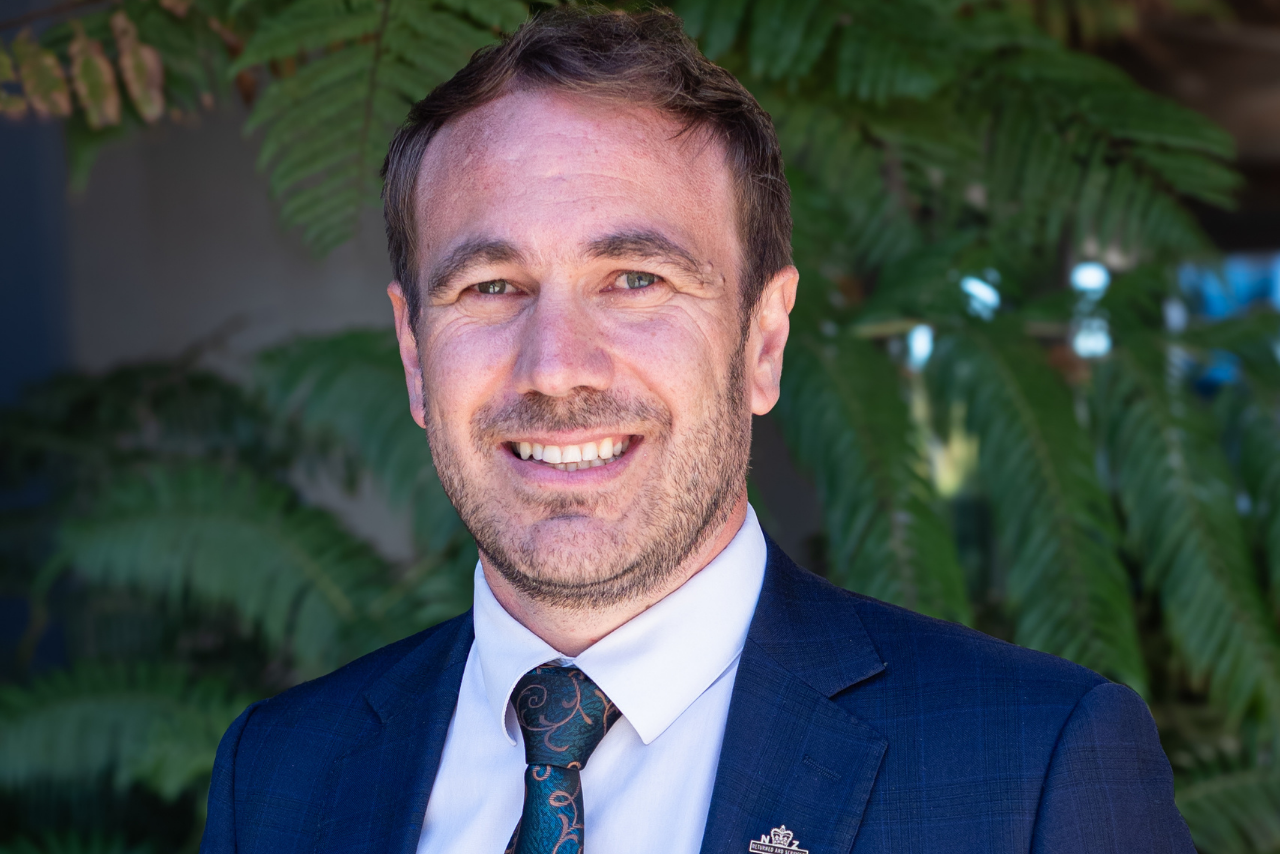
Environment Canterbury supports affordable rates and expects councils to run efficiently, chair Dr Deon Swiggs says. But he warns a proposed government rates cap could leave the council struggling to pay for work that is already part of its core responsibilities.
Swiggs told chrislynchmedia.com the council recognised the pressure rising rates placed on households. He said its submission supported greater financial discipline and a focus on the services councils are required to deliver.
Much of Environment Canterbury’s existing work already falls into that category, he said, including flood protection, environmental management and public transport.
The council’s published response identifies those services among the essential work funded by regional rates.
“The real world consequences of the rates capping environment that we will be entering into” would be choices about what work could proceed, Swiggs said.
Environment Canterbury reduced its planned rates revenue increase for 2026/27 from 17.2 per cent to 2.4 per cent.
Swiggs said that involved cutting some spending and deferring work, particularly public transport improvements.
“There are things that the community want to see in those public transport improvements that we just do not have the budget to do,” he said.
The government’s bill proposes an initial target range of 2 to 4 per cent for annual rates increases. Councils would have to take the range into account from July 2027 and comply from July 2029 if the bill passes in its current form. The government says the system is intended to make increases more predictable while allowing flexibility in some circumstances.
Swiggs said councils would also face costs from implementing new resource management laws. He cited an estimated $800 million in costs across the sector and questioned how councils could meet new obligations while limiting rates increases. A separate council submission puts the estimated national establishment cost at about $800 million.
“What do we need to cut? We need to have a conversation with the community in our long term plan,” he said.
Swiggs said possible choices could affect river protection, environmental work or bus services. He also pointed to the cost of flood protection in Kaikōura and its small rating base as an example of the difficulty councils face. He did not announce any decision to cut services.
“What buses are we going to turn off and what communities will miss out?” he said.
Environment Canterbury has asked the government to pause progress on the rates bill until it decides what functions regional councils will have under its wider local government reforms. The government has delayed decisions on council reorganisation proposals while it considers how regional services would be transferred and delivered.
Swiggs said the council still had to prepare its long term plan under existing law despite that uncertainty. He said the government had declined a request to pause some of those planning requirements.