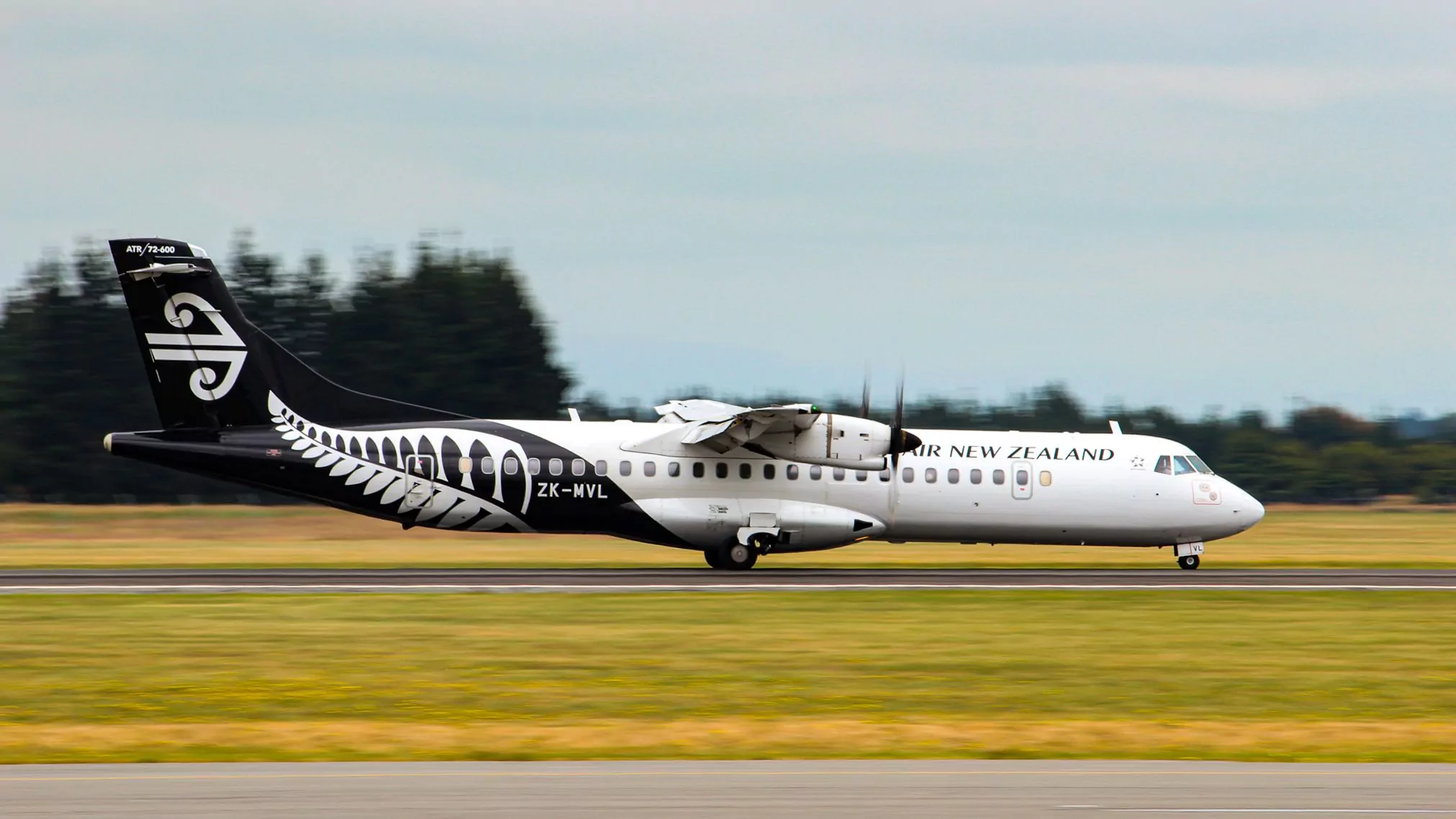
Escaped youth tracked by Eagle helicopter, found hiding in New Brighton
The young person who escaped from a youth justice facility in Rolleston has been located...
Proudly powered by VAST – NZ’s leading digital advertising billboard company. FIND OUT MORE

The young person who escaped from a youth justice facility in Rolleston has been located...
A person has been seriously injured on State Highway 75, Christchurch Akaroa Road. A police...
BodyFix Gym Christchurch in Phillipstown has taken out two major honours at the Exercise New...
Local MPs have found areas of agreement on major Resource Management Act reforms, during a...
A series of public events have been organised across Christchurch and Lyttelton over the coming...
A woman was taken to hospital after a ‘water incident’ at Parakiore Recreation and Sport...
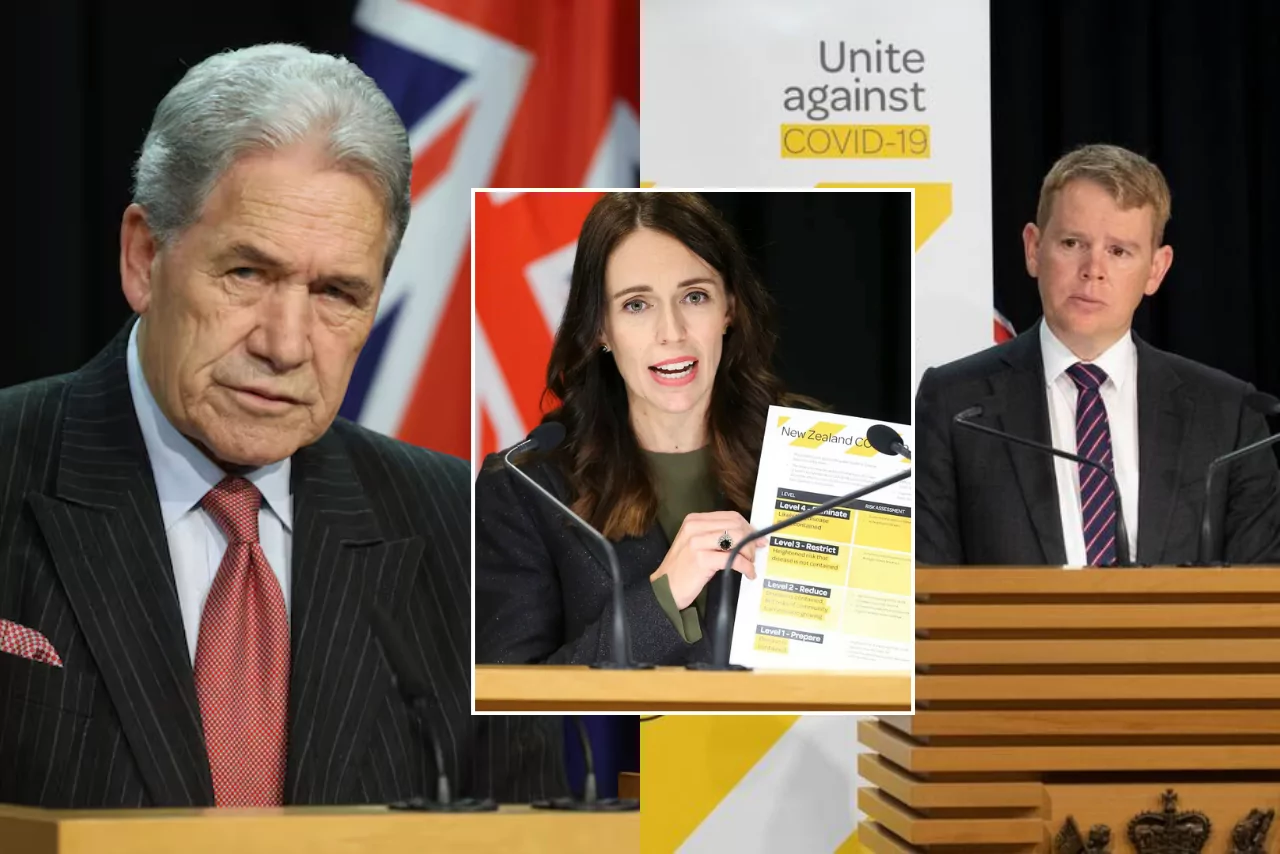
New Zealand First leader Winston Peters says the findings of the COVID 19 Royal Commission of Inquiry raise serious questions about decisions made by the former Labour Government during the pandemic.
The inquiry found restrictions were initially appropriate, but in some cases remained in place longer than public health advice recommended, particularly in Auckland.
Treasury advised the Government that pandemic spending should be timely, temporary and targeted, but the inquiry found the $60 billion COVID 19 Response and Recovery Fund was spread across 821 programmes, with around half not directly related to the pandemic.
The commission also found highly stimulatory fiscal and monetary policies helped drive house prices to unsustainable levels and contributed to inflation pressures.
Advice from the COVID 19 Vaccine Technical Advisory Group suggested there was an increased risk of myocarditis in 12 to 17 year olds after two doses of the Pfizer vaccine. The commission found there was no evidence any clear advice on that risk was provided to ministers when decisions were made about vaccine mandates for that age group.

Winston Peters
Peters said his party had pushed for the inquiry after campaigning on concerns about lockdowns, vaccine mandates and the wider impact of the pandemic response.
“New Zealand First pushed for this COVID inquiry, and pushed to scrap the sham original inquiry, to get some facts and accountability for the impacts the mandates, lockdowns, and vaccines had on Kiwis,” Peters said.
“We were the only party to fully campaign on this issue and to walk around with the protesters at Parliament when no other party in Parliament would.”
Peters said even the latest report, which he described as inadequate, raised significant concerns about how decisions were made by ministers at the time.
“But even this inadequate report today has proven that we were right to challenge the Labour Government on these issues. They tried to call people ‘cookers’, the ‘river of filth’, and that we were all ‘going down a rabbit hole’,” Peters said.
“The report brings questions that need to be answered by Hipkins and Verrall and all those other former ministers. They cannot brush this off.”
“It outlines that clear advice from officials was ignored, in particular the advice about the risks of mandating the vaccine for children and the increased risk of myocarditis,” Peters said.
“The report finds that the failure of the Labour Government to provide advice to the public about the risks of the two doses for children was significant. Not only did they not properly advise the public of those risks, they then mandated the two doses of the vaccine.”
Peters said the report also highlighted the impact of mandates and lockdown policies on jobs and the wider economy.
“What is worse, is that the employment and wage scarring impacts of the mandates were significant. The Labour Government made no attempt to monitor these impacts and the devastating results that would come to our country,” Peters said.
“These mandates and lockdowns cost thousands of jobs and had a devastating effect on our economy and people’s health and livelihoods, all of which were avoidable.”
Peters said the inquiry also confirmed Auckland’s lockdown lasted longer than necessary.
“The report also shows that the Auckland lockdown went on far too long and Labour knew it,” Peters said.
“It shows those Labour ministers did not provide a complete assessment to Cabinet of the lockdown measures against economic, social, and educational outcomes.”
Peters said the report raised further questions about why some ministers did not appear publicly during the inquiry.
“It is any wonder those Labour ministers didn’t want to front publicly to give evidence,” Peters said.
“There is more to come.”
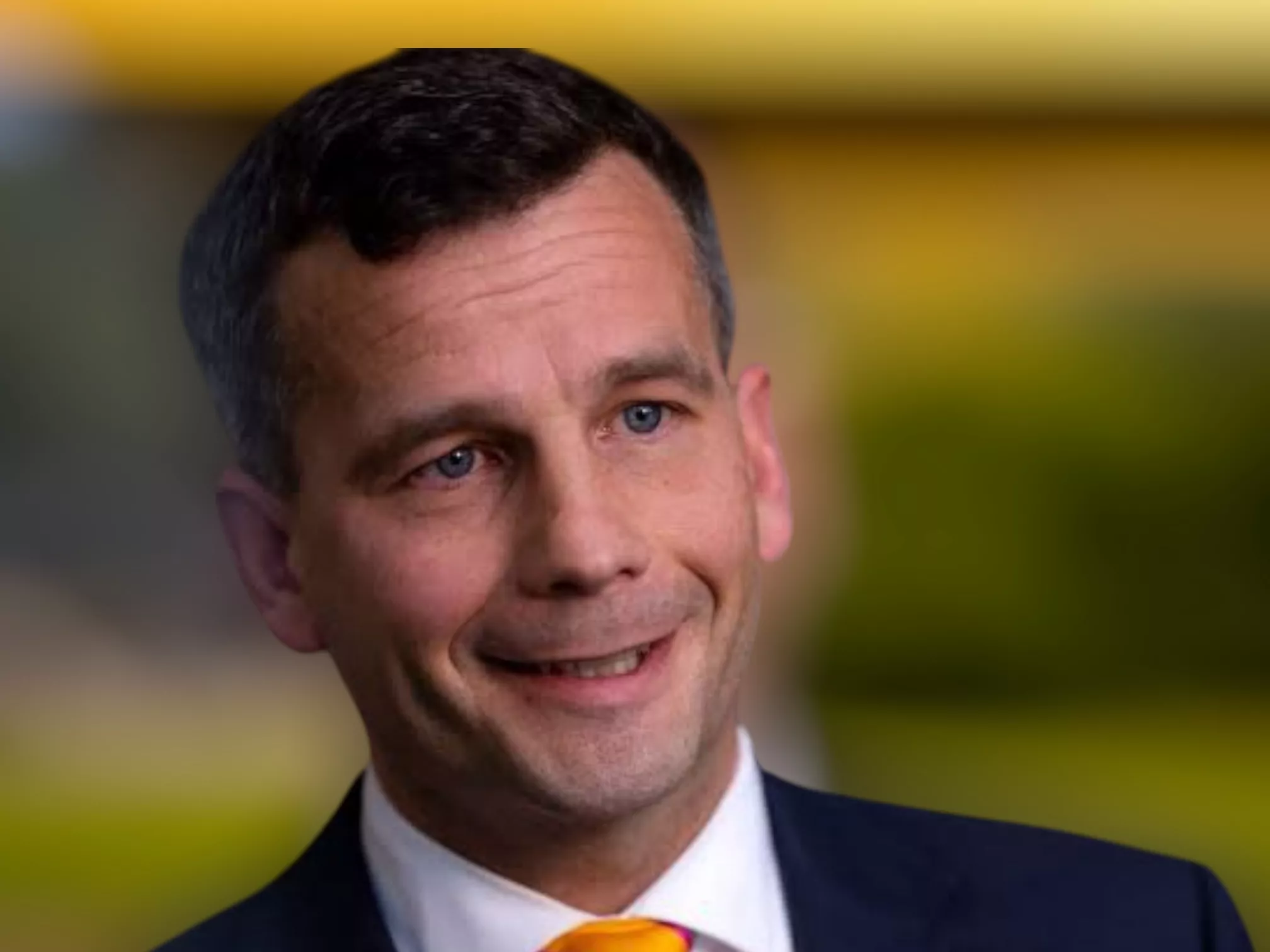
Act Party Leader David Seymour
ACT leader David Seymour said the final report provided a broader assessment than the inquiry originally commissioned by Labour.
“At the height of their arrogance, Labour commissioned an inquiry into their own performance, on their own terms. Just like their response to COVID, the original terms of reference ignored the impacts of their COVID response on every other aspect of life,” Seymour said.
“Most, if not all of ACT’s COVID era critiques are borne out in the report. The COVID response doubled Government debt, locked us down too long, divided the country, broke the law, failed to use technology, and went overboard with vaccine mandates.”
“In 2020, New Zealanders accepted extraordinary restrictions in the face of genuine uncertainty. They trusted the Government and made enormous sacrifices. Instead, Labour took a necessary emergency response and turned it into a political project built on control, spending, and overreach.”
“Labour got carried away. They got carried away with spending, they got carried away with locking down, and they got carried away with not following advice.”
“The report is a warning for all future governments of how destructive a government can be when it loses sight of what matters most to citizens.”
“Kiwis paid the price in high inflation, weakened social cohesion, lost education opportunities, and in some tragic cases with their lives.”
“This report shows why we can’t trust this Labour Party to lead the country.”
“Kiwis were constantly told the Government was following the science. But this report shows ministers were willing to go beyond advice whenever it suited them.”
“We owe it to the people who missed funerals, births, weddings, school, work, medical care, and time with loved ones to tell the truth about that now.”
“Most importantly we owe it to them to learn from this report and never make the same mistakes again.”
“New Zealand must never again have a government that gets carried away with people’s freedoms, their money, and their lives.”
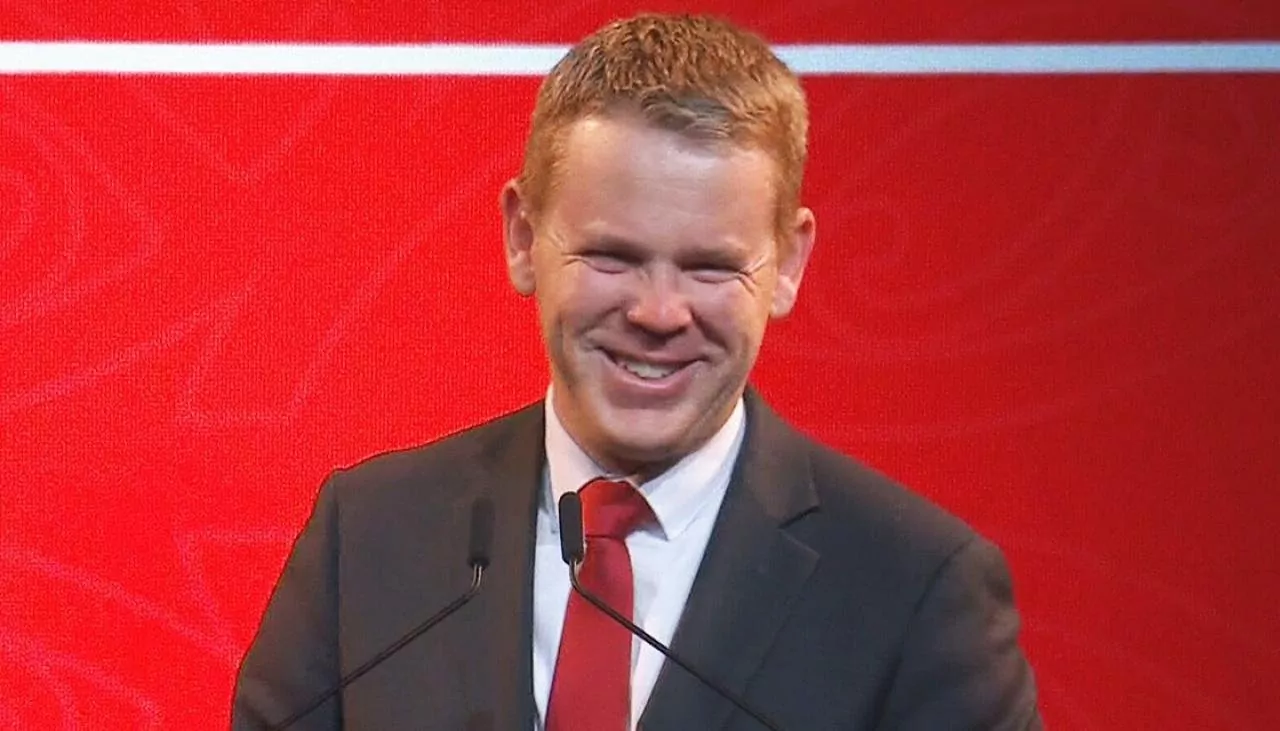
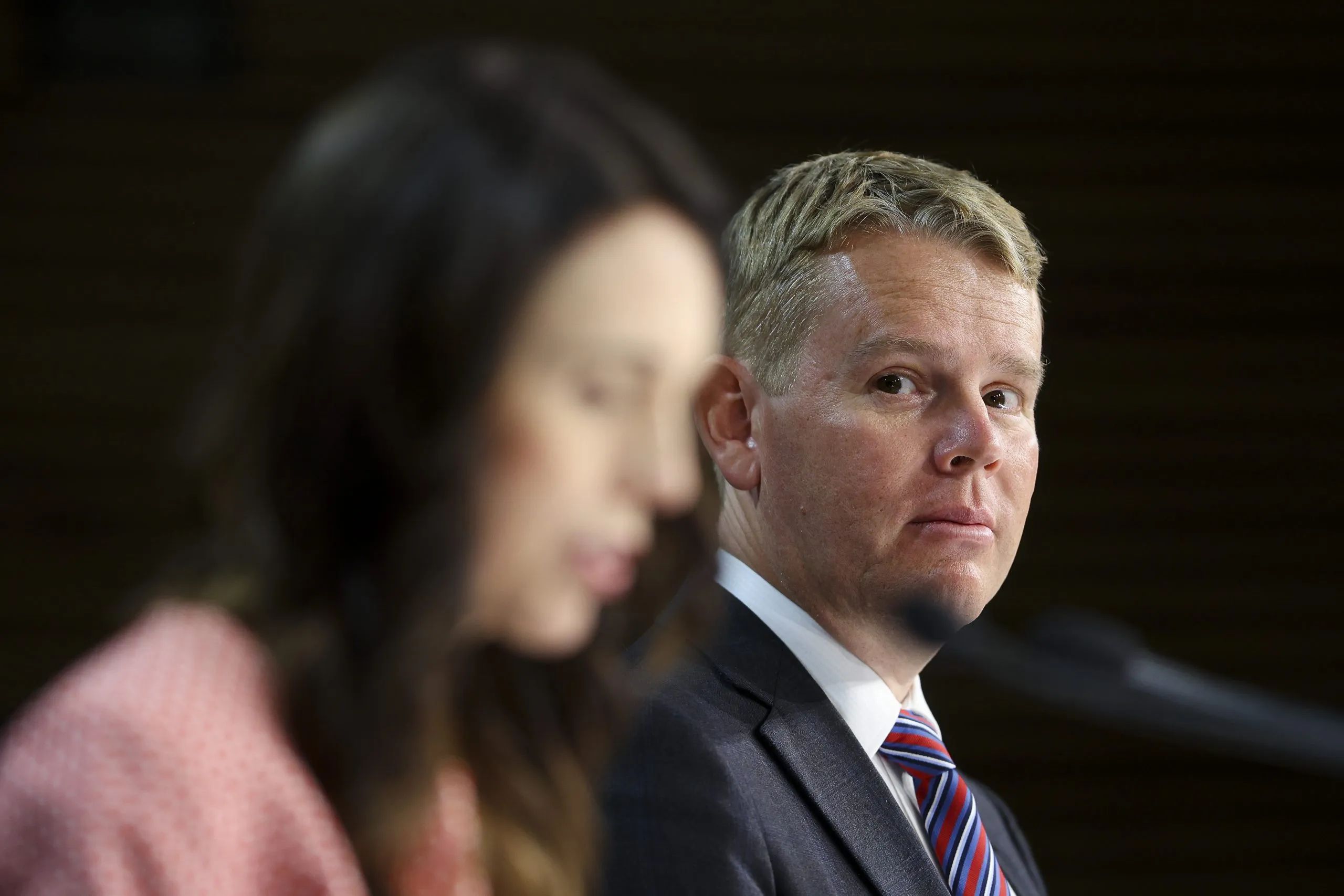
Labour Leader Chris Hipkins
Labour Leader Chris Hipkins cknowledged the findings of the second COVID-19 Royal Commission of Inquiry.
“Like the first report, this inquiry finds New Zealand’s response to COVID-19 was robust, with decisions that were considered, appropriate, and guided by the best evidence available at the time,” Hipkins. said.
“Ministers and officials were making decisions in an unprecedented global crisis, using the best evidence available at the time. These decisions helped protect New Zealanders.
“What now matters most is how we use the lessons learned. It is vital that when New Zealand faces its next major challenge, our institutions are resilient, our processes sound, and public trust strengthened.
“The focus now must be on what has happened since the pandemic. Over the past two years, the Government has cut public health capability while commissioning multiple reviews that repeat the same conclusions.
“National now needs to answer a simple question: Are we better prepared for the next pandemic today than we were in 2020?” Chris Hipkins said.