Escaped youth tracked by Eagle helicopter, found hiding in New Brighton
The young person who escaped from a youth justice facility in Rolleston has been located...


The young person who escaped from a youth justice facility in Rolleston has been located...

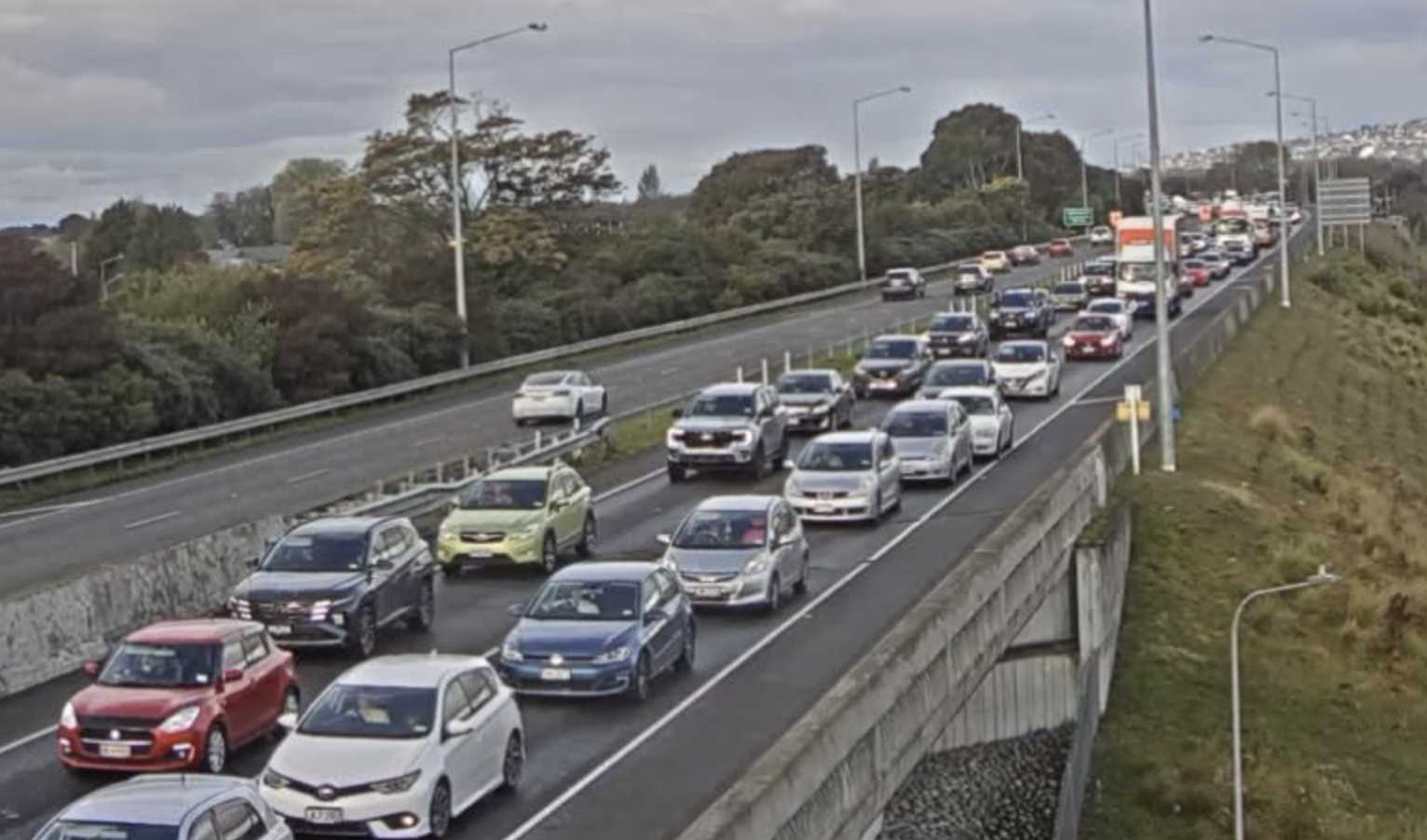
A person has been seriously injured on State Highway 75, Christchurch Akaroa Road. A police...

BodyFix Gym Christchurch in Phillipstown has taken out two major honours at the Exercise New...

Local MPs have found areas of agreement on major Resource Management Act reforms, during a...

A series of public events have been organised across Christchurch and Lyttelton over the coming...

A woman was taken to hospital after a ‘water incident’ at Parakiore Recreation and Sport...
The pity party has begun, with familiar voices in the arts sector demanding more money from the taxpayer.
The arts are incredibly important. They deserve attention, encouragement and nourishment, particularly in Christchurch, a city thriving culturally and producing extraordinary creative talent.
But make no mistake, some within the sector have had it very good from public funding for a very long time.
Take filmmaker Gerard Smyth, who complained that the South Island was not receiving a fair share of Creative New Zealand funding. He said Christchurch had no chance of becoming a cultural capital without a greater share of public money, and claimed funding was directed towards places where the funders lived.
That criticism deserves context.
Creative New Zealand is not the only channel through which public money reaches the arts. Smyth’s own company, Frank Film, has been a consistent beneficiary of another taxpayer funded agency, NZ On Air.
The public record tells the story. NZ On Air allocated up to $451,420 for Frank 5 in its July 2022 funding round. Frank: Changing South 4 received up to $392,361, and Frank: Stories from the South 3 was allocated up to $407,006. In November 2025, NZ On Air confirmed up to $422,845 more for Frank: Stories From The South 4.
That is more than $1.6 million of taxpayer support across four series.
There is nothing inherently wrong with receiving public funding. NZ On Air exists to support New Zealand content that might otherwise struggle to be commercially produced, and Frank Film has told important South Island stories.
But it is a little rich for someone whose projects have repeatedly benefited from taxpayer support to lecture the public about the need for even more of it.
Smyth has been able to travel around Canterbury producing stories that interest him, often through a particular political or ideological lens, while being insulated from the commercial pressures faced by independent producers.
The claim that funders only look after their own backyards also struggles to survive scrutiny. The same 2022 round that backed Frank 5 allocated up to $695,000 to Allied Press to deliver local video news across the South Island. Creative New Zealand, meanwhile, is preparing to hand funding decisions to regional partners across 16 delivery areas, with all regionally based activity expected to sit with local decision makers by 2028. The system is moving closer to Christchurch, not further away.
Meanwhile, countless creative people across the city are building businesses, making films, producing music, writing, designing and attracting audiences without receiving a cent from the Government.
They are entrepreneurs as much as artists. They risk their own money. They secure sponsors. They sell tickets. They build audiences. They accept that not every idea will be commercially successful and that the taxpayer is not responsible for rescuing every project.
That is the reality many of us operating independently face every day.
Money does not grow on trees. Treasury is forecasting an operating deficit of $11.4 billion this financial year, and the latest Budget trimmed funding for NZ On Air and RNZ. Every dollar allocated to an arts project is a dollar collected from somebody who worked for it, or borrowed by a Government already deep in the red.
Public funding should support exceptional work that delivers cultural and public value. It should not become a permanent income stream or an entitlement passed from one familiar recipient to another.
A compelling story will attract viewers. A valuable production can attract sponsors, subscribers, investors, ticket buyers or philanthropic support. Public money can help important projects reach an audience, but it should not shield artists from the basic test faced by every other producer: does anybody actually want what you are making?
The Government does not owe filmmakers, theatre companies or arts organisations an endless cheque. Nor should criticism of funding decisions be treated as evidence the sector is being neglected.
Sometimes an application receives less because funds are limited. Sometimes another project is stronger. Sometimes an organisation must adapt, become more commercially focused or find support elsewhere.
That is not hostility towards the arts. It is financial reality. The arts are not under attack. Christchurch has one of the most vibrant creative communities in the country, and much of it succeeds without government assistance. I have spent years supporting artists, theatre groups and cultural events across the city. My objection is not to the arts themselves, but to the increasingly common view that taxpayer funding should be permanent, unquestioned and ever increasing.
The arts deserve respect, but respect does not mean unquestioned funding. And public support should never be confused with a permanent entitlement.