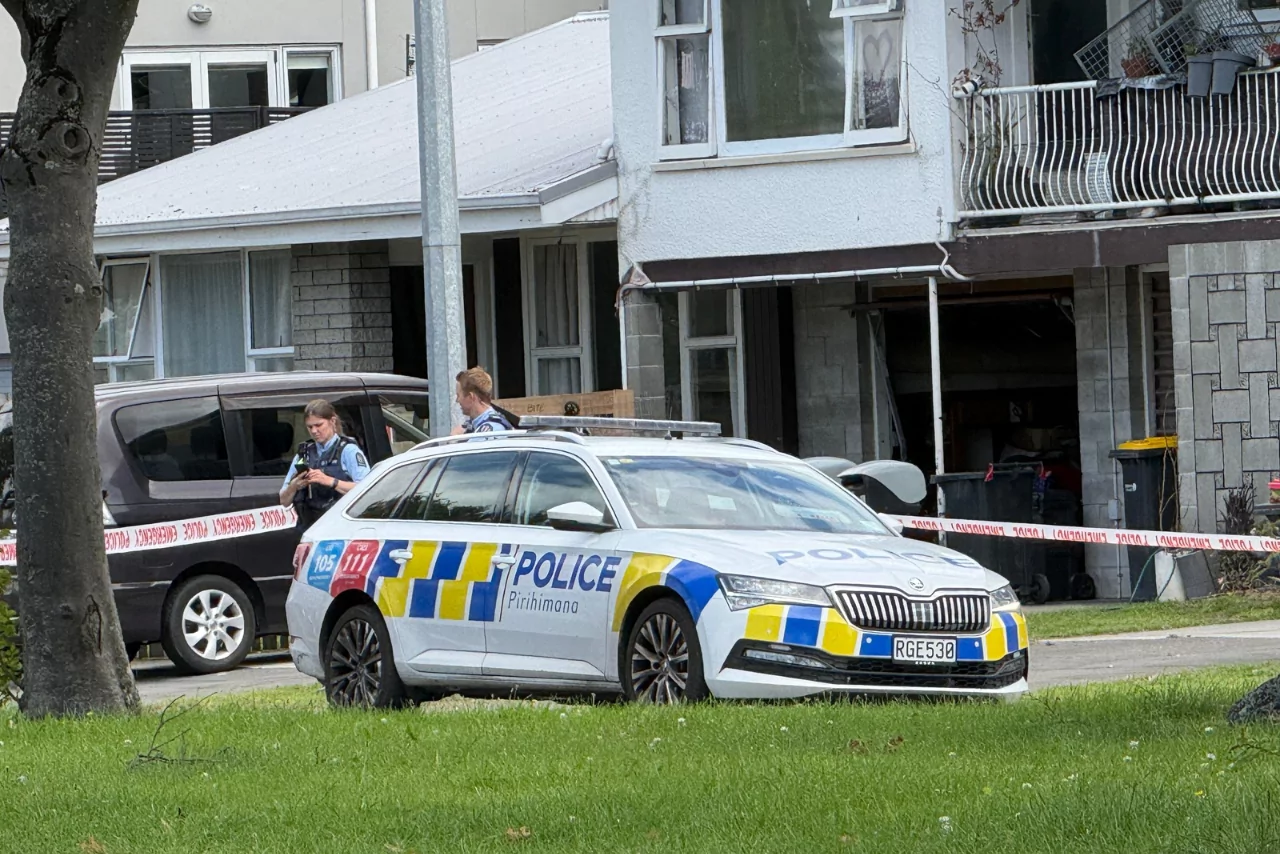
Escaped youth tracked by Eagle helicopter, found hiding in New Brighton
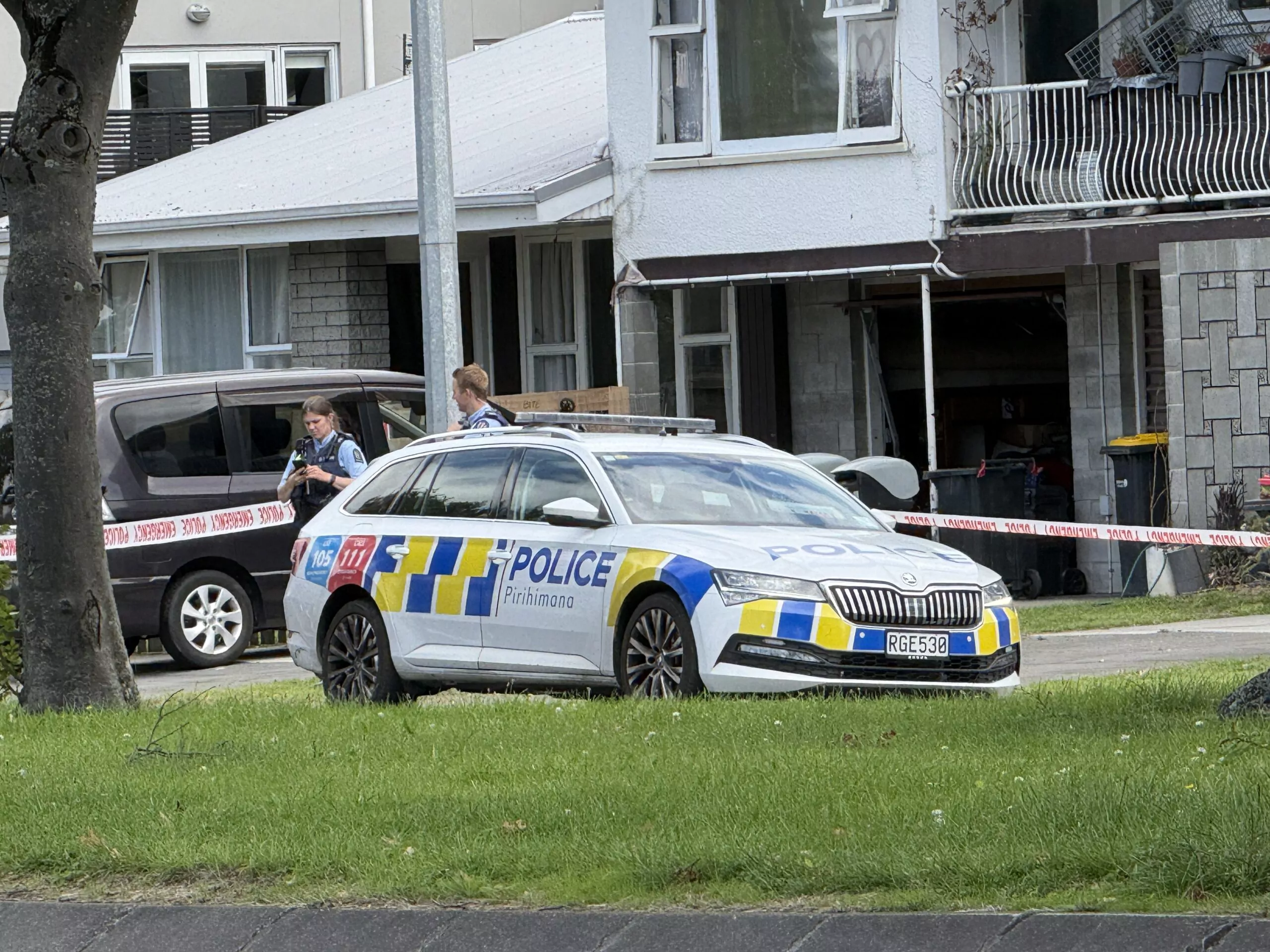
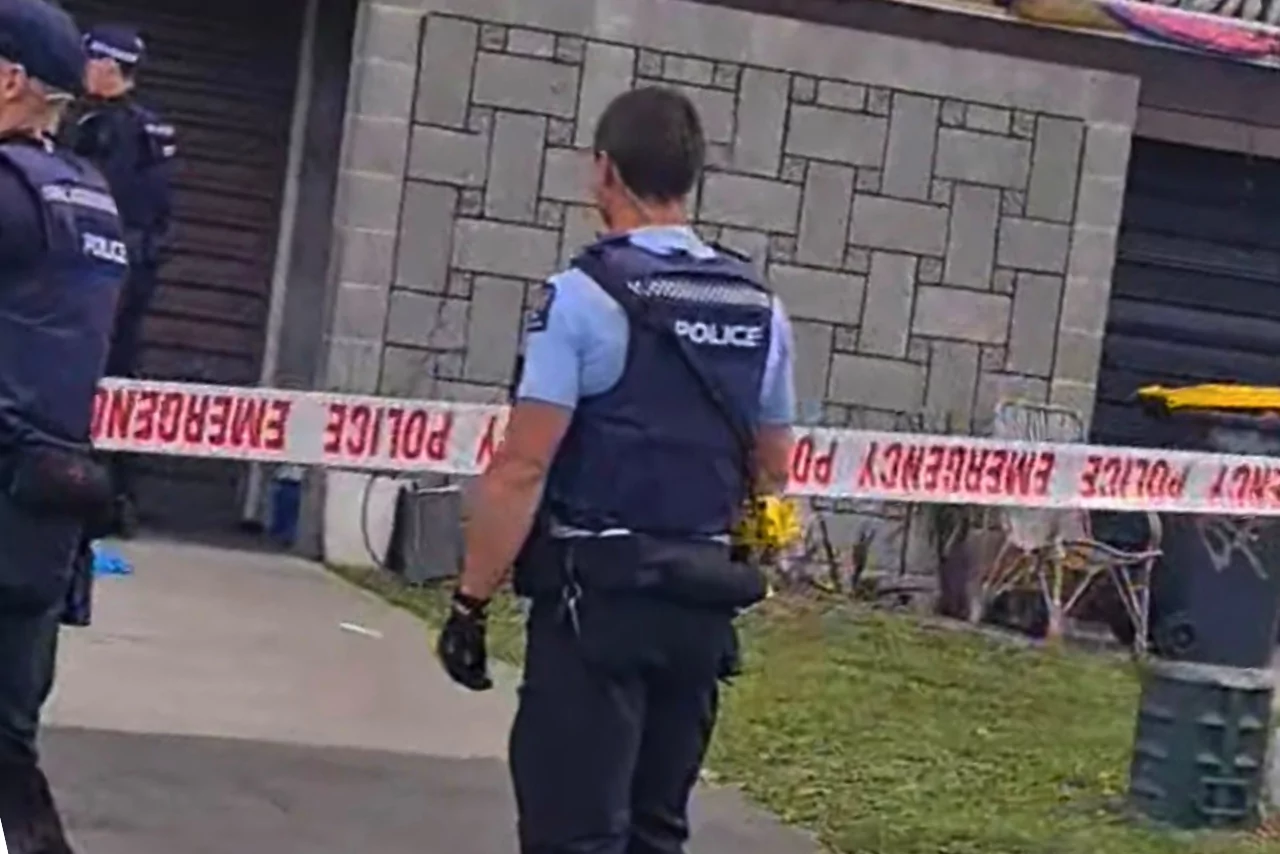
The young person who escaped from a youth justice facility in Rolleston has been located...

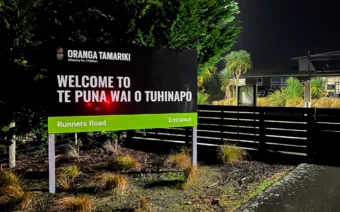
The young person who escaped from a youth justice facility in Rolleston has been located...

A person has been seriously injured on State Highway 75, Christchurch Akaroa Road. A police...

BodyFix Gym Christchurch in Phillipstown has taken out two major honours at the Exercise New...
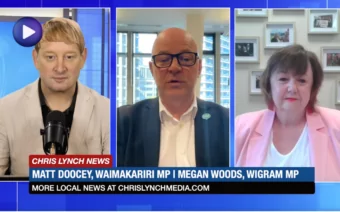
Local MPs have found areas of agreement on major Resource Management Act reforms, during a...
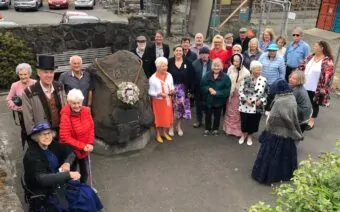
A series of public events have been organised across Christchurch and Lyttelton over the coming...

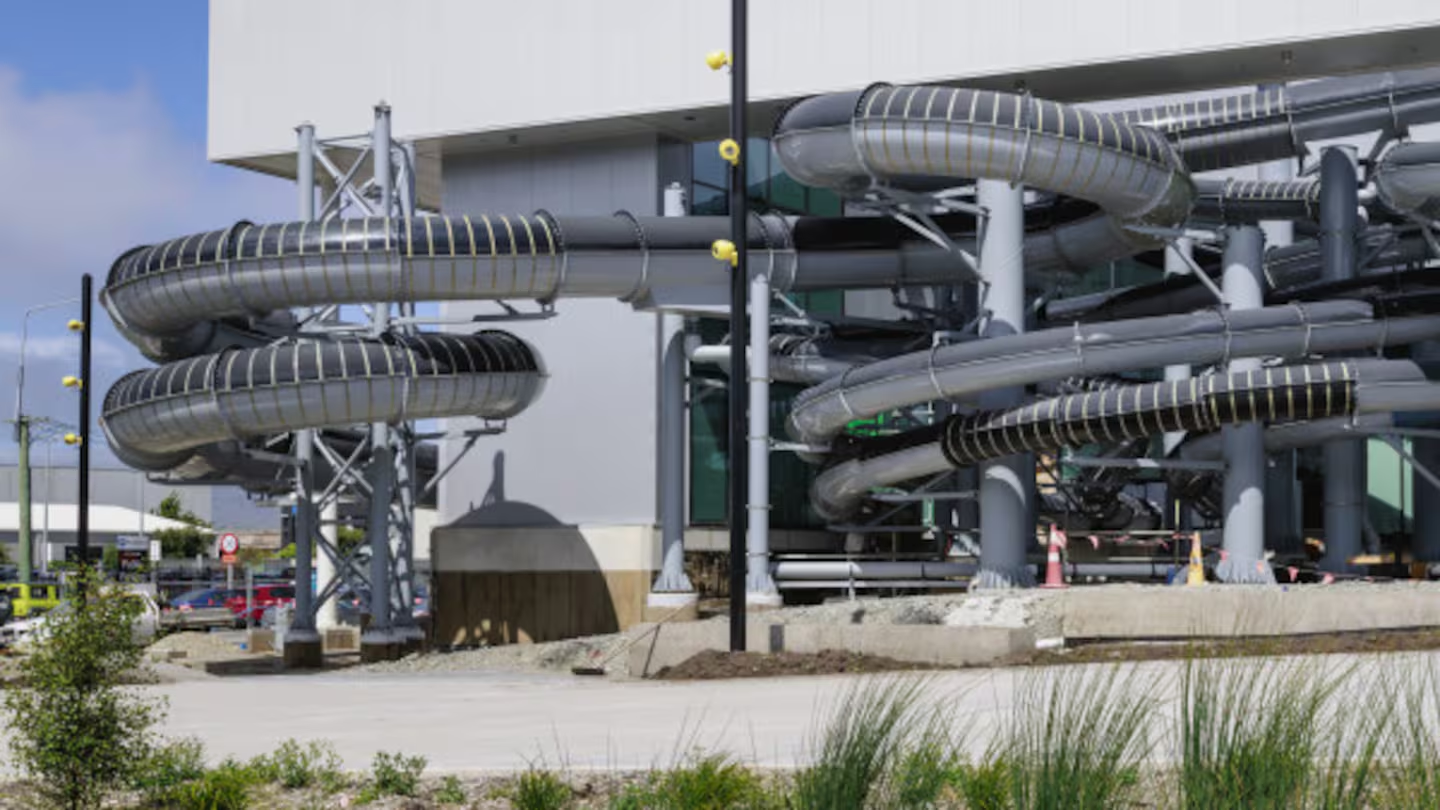
A woman was taken to hospital after a ‘water incident’ at Parakiore Recreation and Sport...


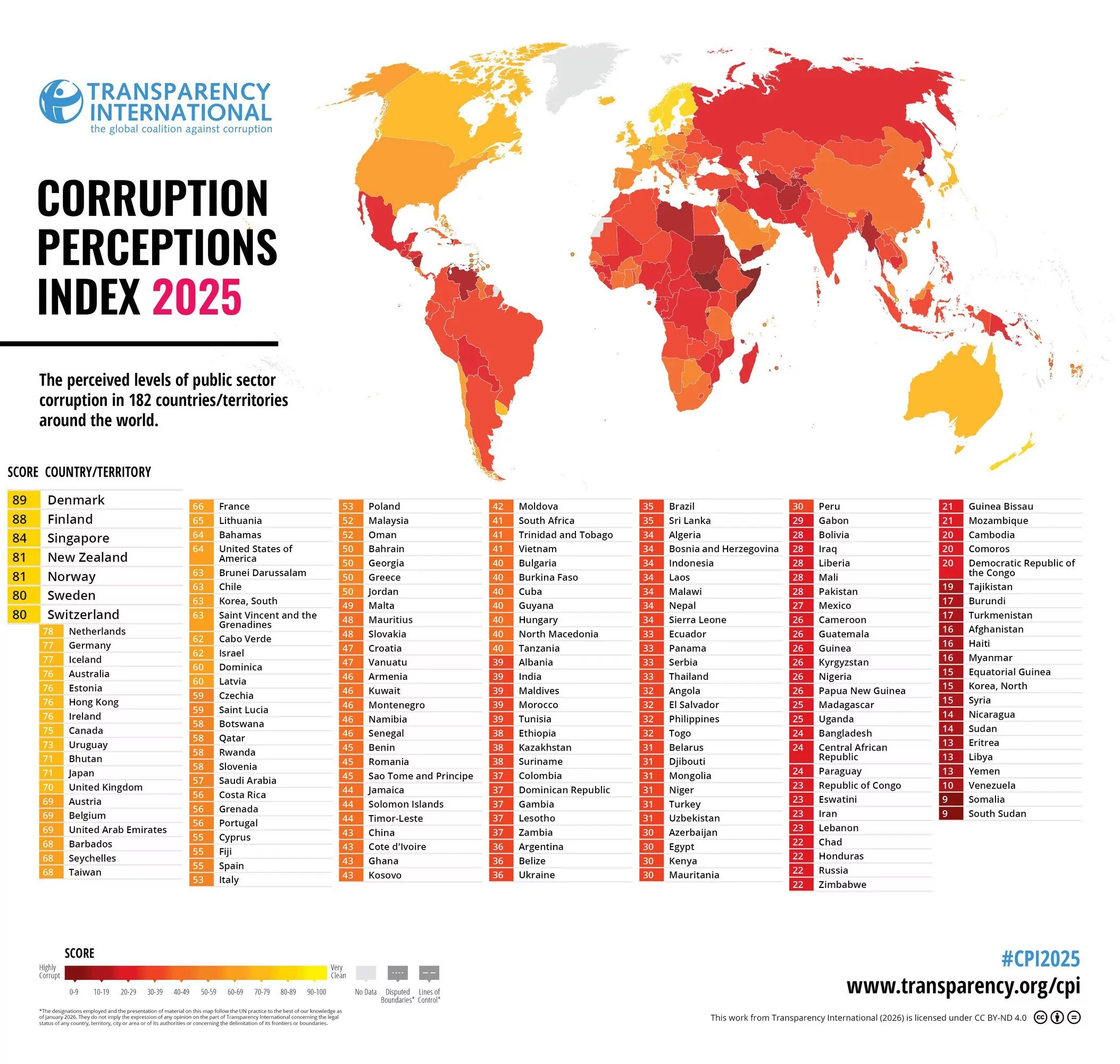
New Zealand’s standing as one of the least corrupt countries in the world has continued to slip, with a further decline in its Corruption Perceptions Index score raising concerns about growing risks to democratic integrity and international reputation.
The latest index shows New Zealand’s score has fallen by 2 points for the fourth year in a row, representing an overall drop of about 10 percent. While New Zealand still ranks equal fourth globally alongside Norway, the continued decline reflects weakening confidence among business experts and international assessors in the integrity of the public sector.
Chair of Transparency International New Zealand Anne Tolley said “Transparency, integrity and accountability are cornerstones of our democracy. We are seeing these values being chipped away.”
Over the past year, a number of prosecutions involving bribery, deception, and the misuse of public funds and power have drawn attention to systemic weaknesses. These have included cases involving bid rigging, cartel behaviour, driver licensing fraud, and Covid related offences.
A recently released pilot report from the Anti Corruption Taskforce has reinforced those concerns, finding internal fraud and corruption are almost certainly being under reported.
“The true scale of the issue remains unclear, but what is reported in this pilot is alarming,” Tolley said.
Transparency International New Zealand has also raised concerns about allegations affecting the integrity of voting processes at both local and national elections.
“These are issues that strike at the very core of democratic trust,” Tolley said.
She said a lack of transparency around lobbying activity and political donations remained a major concern.
“Voters have little visibility of who is influencing political decision making,” Tolley said.
“At the same time, some businesses continue to operate in the shadows, enabling money laundering and tax evasion, while investigative agencies remain hampered by reduced resources and inadequate legislative tools.”
The Corruption Perceptions Index draws on multiple international surveys that assess risks of bribery and corruption in areas such as public contracting, licensing, judicial decision making, and the diversion of public funds for private gain.
While some government agencies have strengthened accountability measures and improved cooperation, Transparency International New Zealand said corruption required a coordinated response across central and local government, business, and civil society.
In 2025, expert advisers warned the Police Minister New Zealand remains the only Five Eyes country without a whole of government national anti corruption strategy.
“This absence has created a significant gap in our ability to prevent, detect, and respond effectively to corruption risks in both the public and private sectors,” Tolley said.
Transparency International New Zealand is calling for a comprehensive national anti corruption strategy, stronger lobbying regulation, timely disclosure of political donations, and enhanced oversight to protect voting and electoral processes.
“We understand economic growth is a priority for the current Government,” Tolley said.
“But a sound economy is inseparable from a robust democracy.”
“In an election year, people need to know who is driving policy change and have fair opportunities to participate in decision making. We need real consequences for those who abuse our financial and political systems, and agencies with the leadership and capacity to reverse the troubling trends of bribery, fraud, kickbacks, and secret deals,” she said.