Escaped youth tracked by Eagle helicopter, found hiding in New Brighton
The young person who escaped from a youth justice facility in Rolleston has been located...


The young person who escaped from a youth justice facility in Rolleston has been located...

A person has been seriously injured on State Highway 75, Christchurch Akaroa Road. A police...

BodyFix Gym Christchurch in Phillipstown has taken out two major honours at the Exercise New...

Local MPs have found areas of agreement on major Resource Management Act reforms, during a...

A series of public events have been organised across Christchurch and Lyttelton over the coming...

A woman was taken to hospital after a ‘water incident’ at Parakiore Recreation and Sport...


Meridian Energy has invested US$30 million for an 11.27 per cent stake in a proposed AI data centre at Makarewa in Southland.
The investment follows Mercury’s purchase of a stake in Datagrid in July.
Meridian has also signed an option for a 140 megawatt electricity supply agreement. If exercised, the agreement would run for 15 years from a date between July 2028 and January 2029. It is subject to Electricity Authority clearance.
Datagrid describes the planned 300 megawatt facility as a “clean” AI computing platform.
It points to Meridian and Mercury’s renewable generation, Southland’s climate and a design intended to limit electricity and water use for cooling.
The facility has resource consent, but remains subject to a final investment decision. Its efficiency figures are design targets, rather than operating results.
Meridian chief executive Mike Roan said the investment would support employment and economic development in Southland. He said the centre’s potential electricity demand also supported Meridian’s plans for new renewable generation.
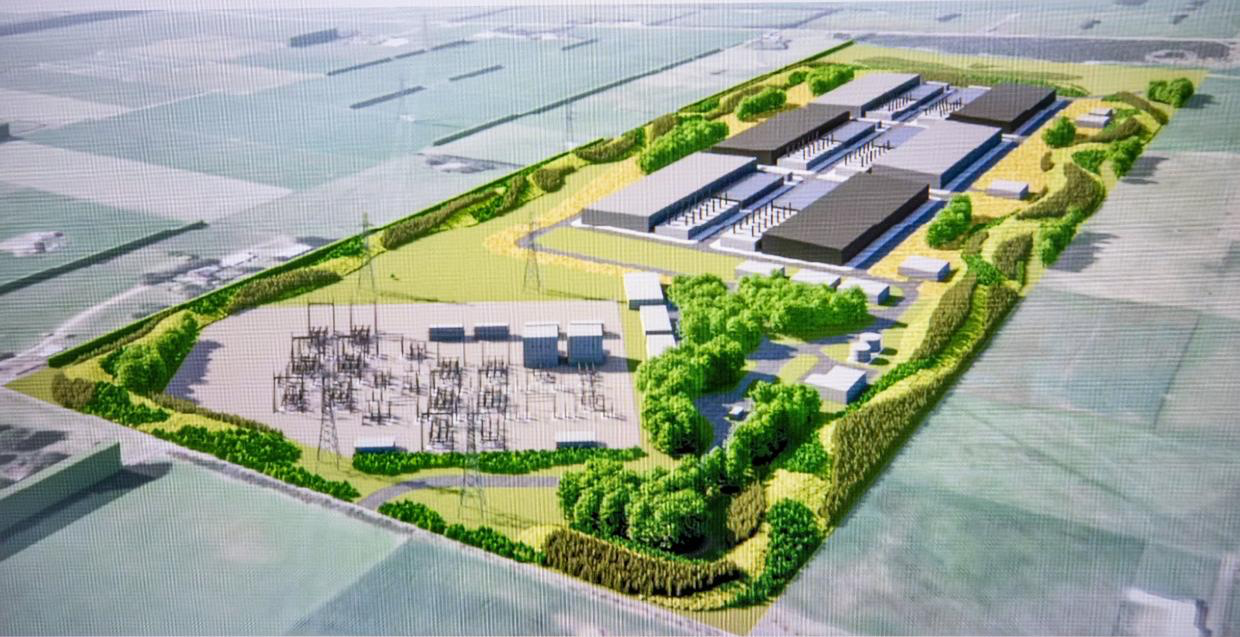
Datagrid’s data centre to be developed at a 49ha Makarewa site near Invercargill.
“Our focus is on supporting growth alongside the needs of existing consumers, energy affordability and security of supply,” Roan said. He has been appointed to Datagrid’s board.
The source and effect of the centre’s electricity use will depend on the supply agreements and the wider grid when it begins operating. Meridian’s agreement is an option, and Mercury has a separate 140 megawatt option. New Zealand generated 92 per cent of its electricity from renewable sources in the June 2026 quarter, according to the Ministry of Business, Innovation and Employment.
Southland District Council says the consented plans include six data halls, cooling infrastructure, groundwater use and 84 emergency backup generators. The council says the application was not publicly notified because its assessed environmental effects were no more than minor and the identified affected parties gave written approval.