Escaped youth tracked by Eagle helicopter, found hiding in New Brighton
The young person who escaped from a youth justice facility in Rolleston has been located...


The young person who escaped from a youth justice facility in Rolleston has been located...

A person has been seriously injured on State Highway 75, Christchurch Akaroa Road. A police...

BodyFix Gym Christchurch in Phillipstown has taken out two major honours at the Exercise New...

Local MPs have found areas of agreement on major Resource Management Act reforms, during a...

A series of public events have been organised across Christchurch and Lyttelton over the coming...

A woman was taken to hospital after a ‘water incident’ at Parakiore Recreation and Sport...

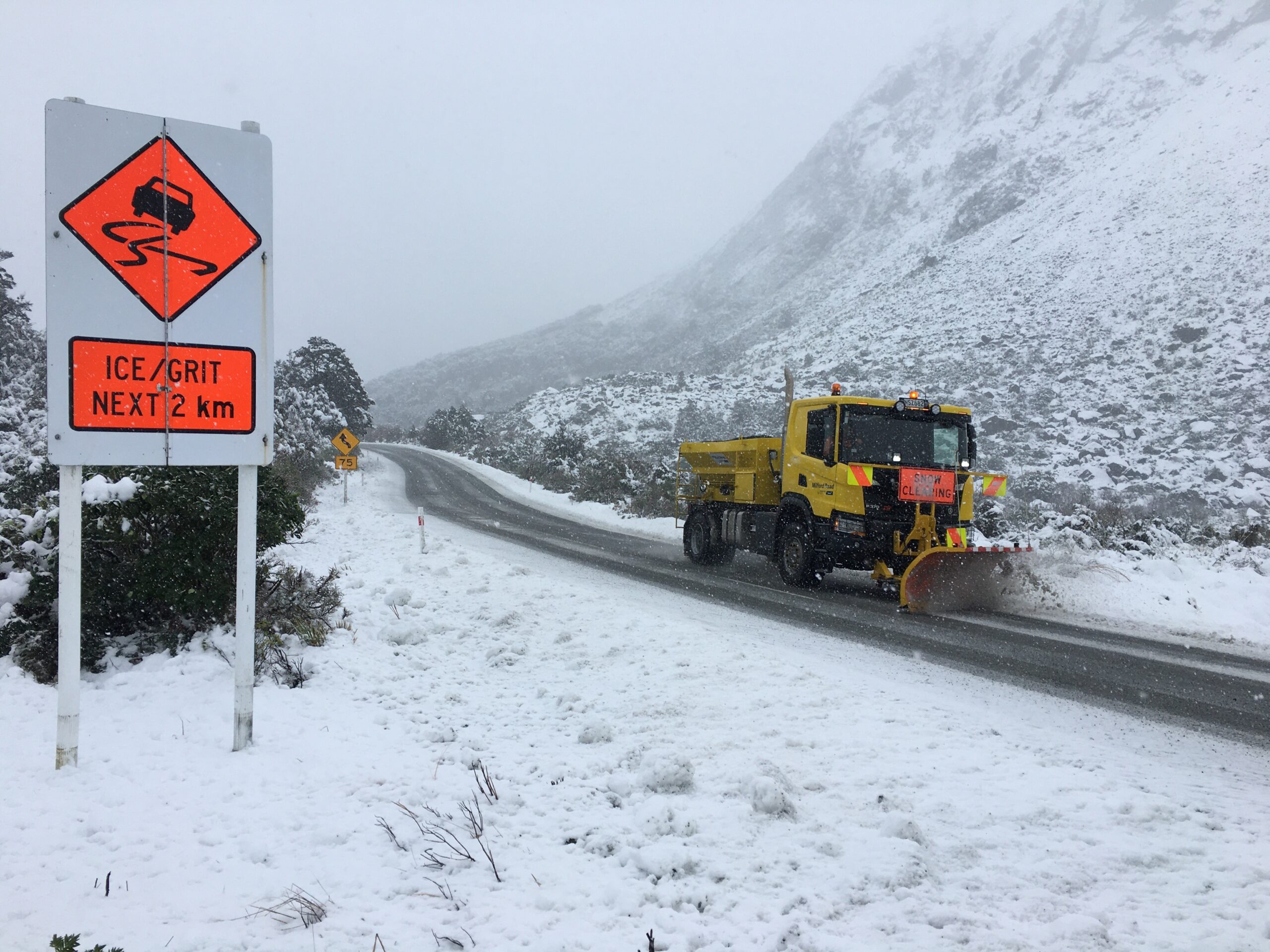
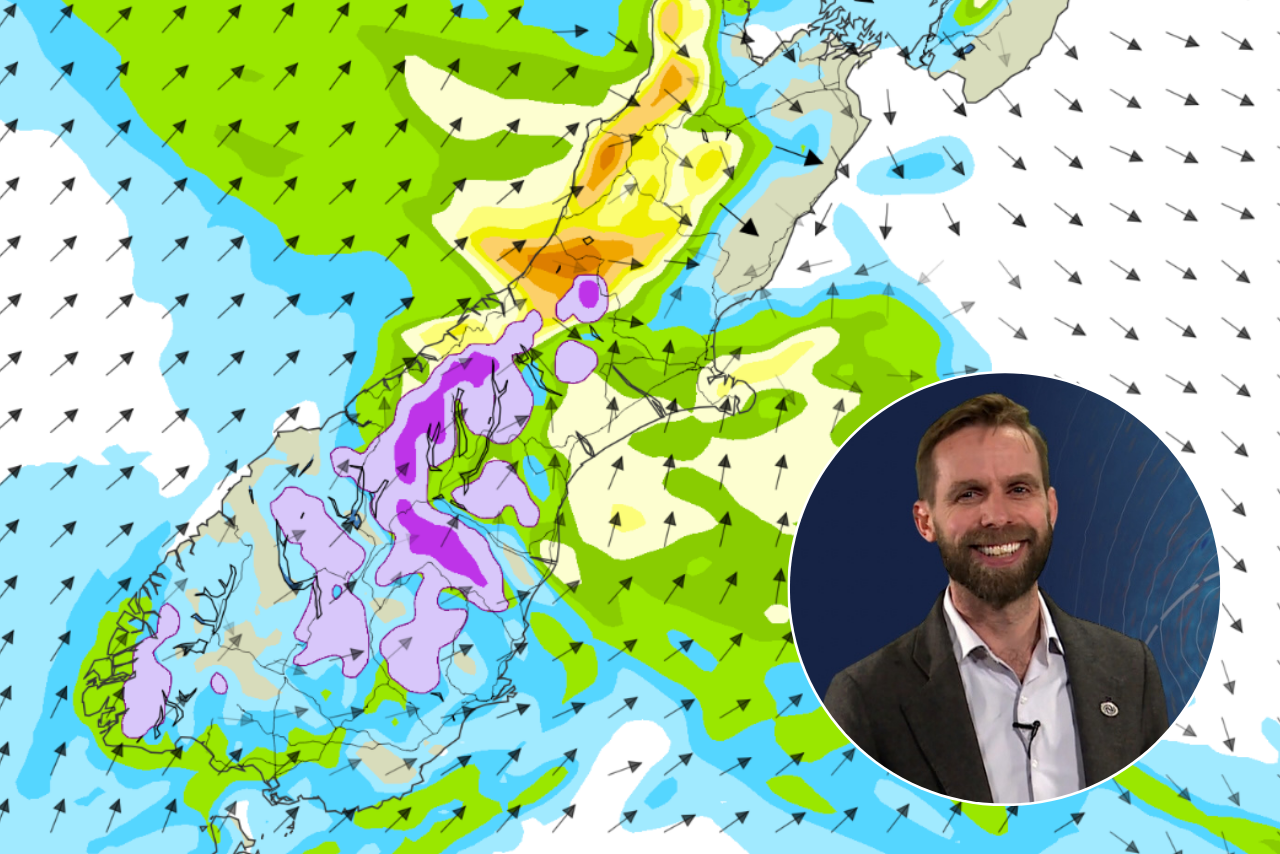
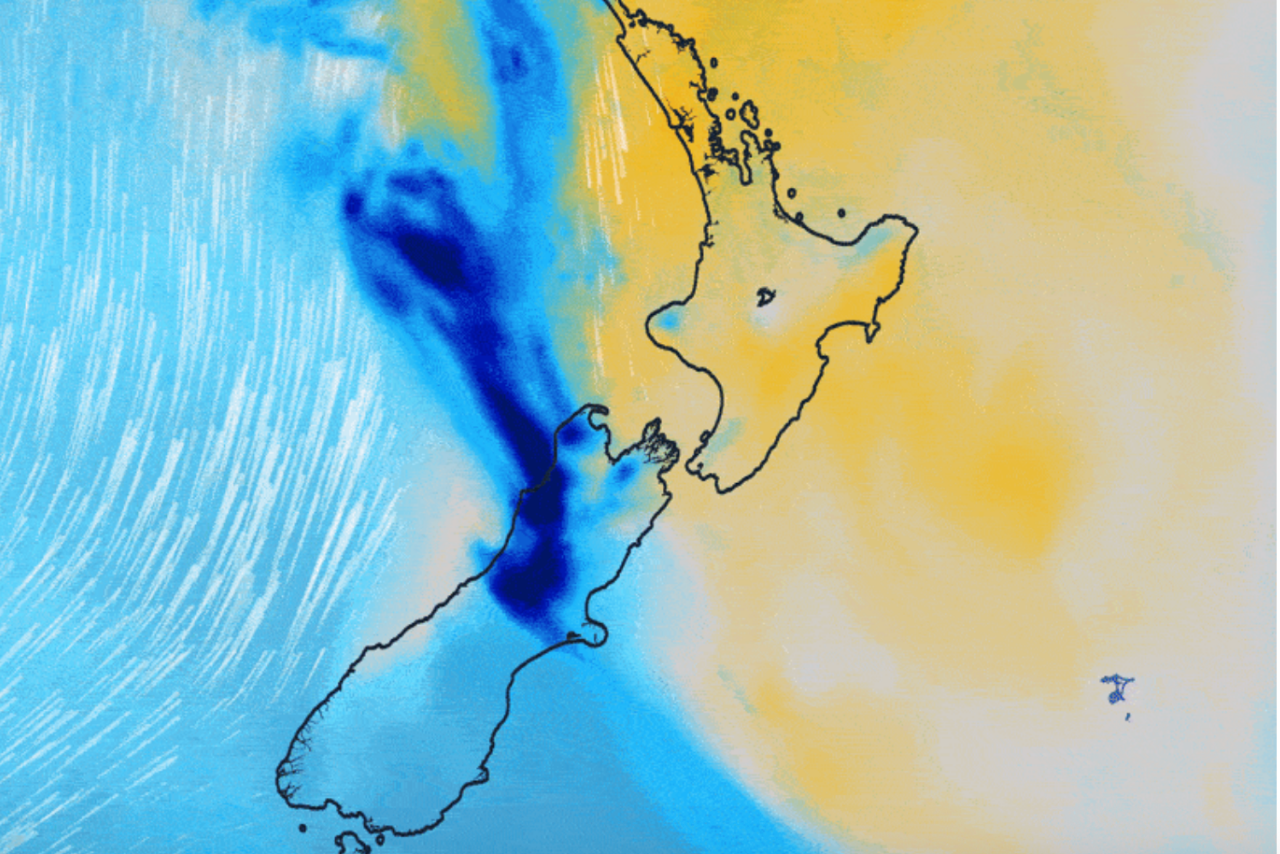
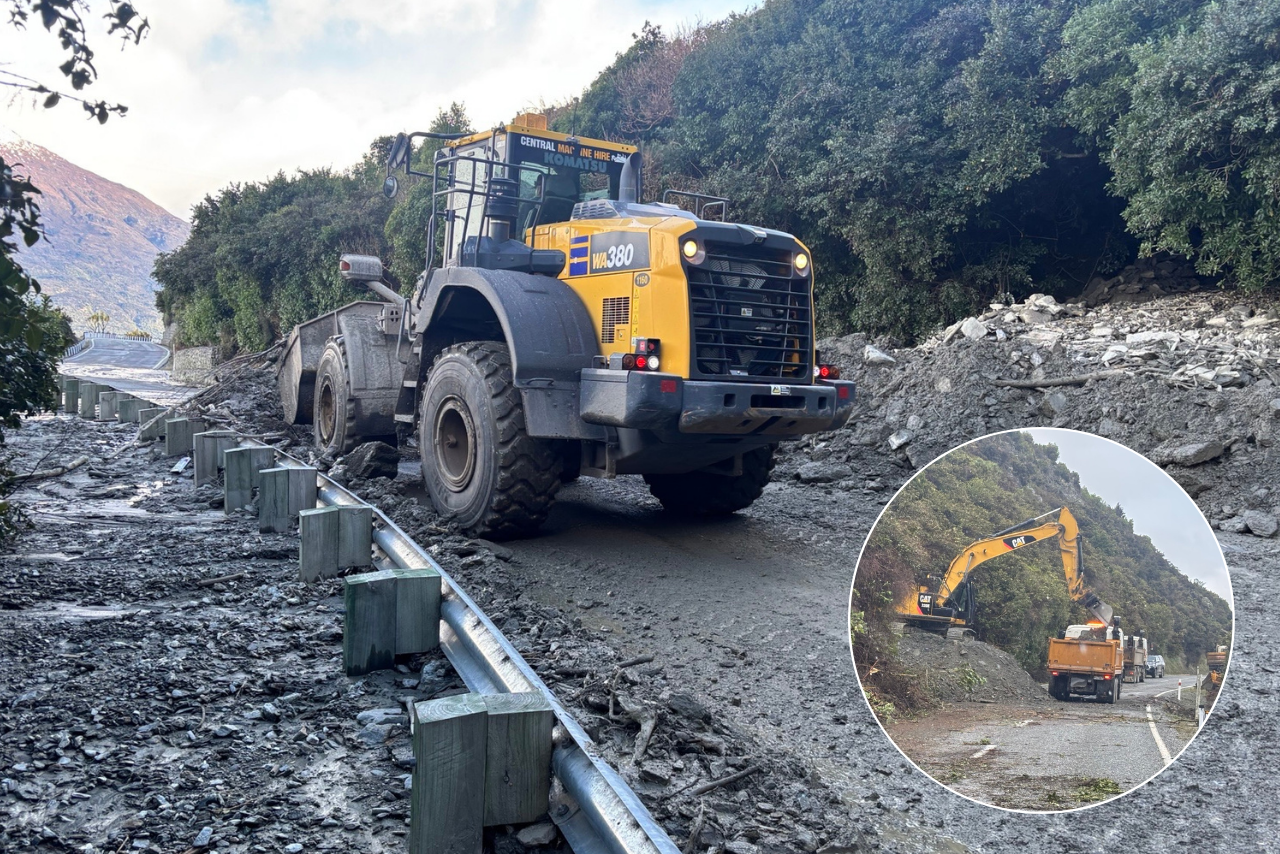
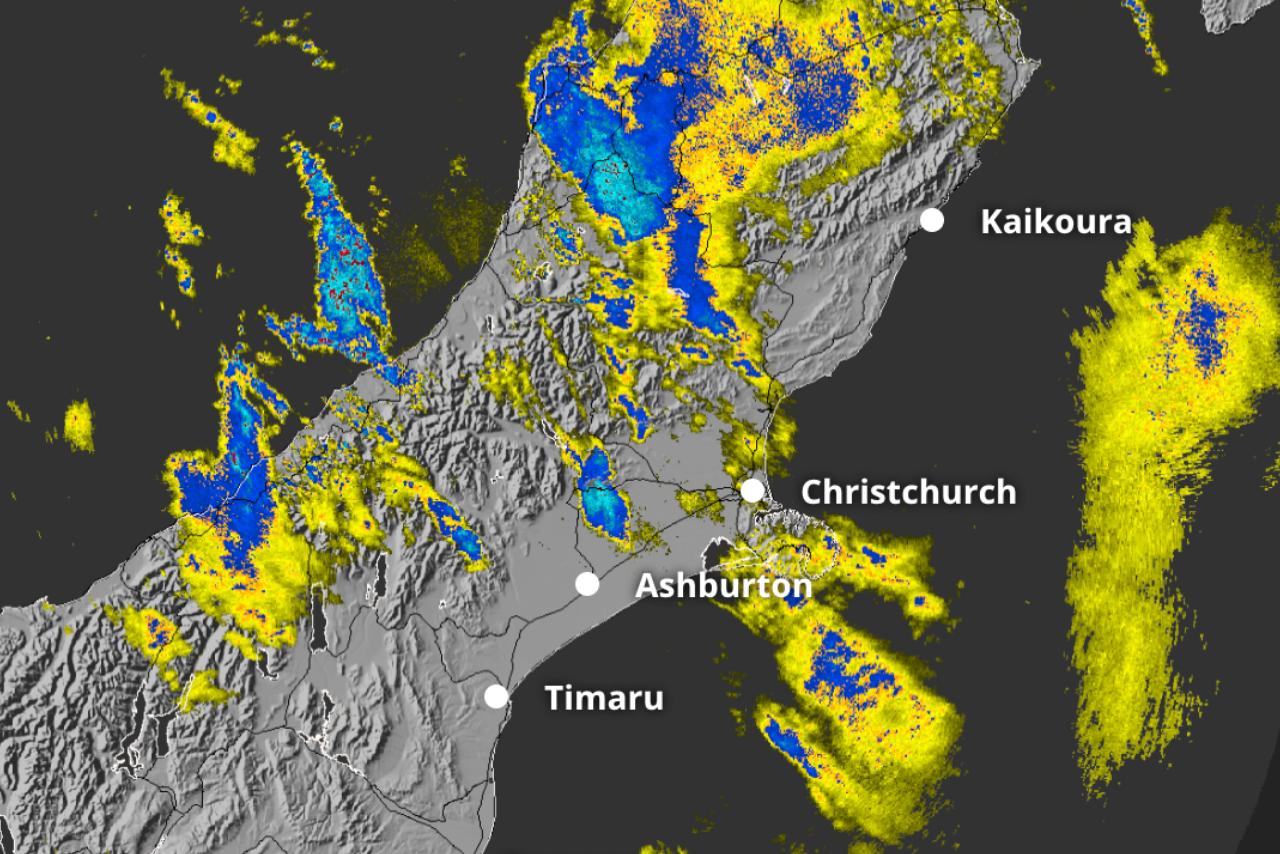
Motorists are being urged to reconsider travel across parts of the South Island as a significant winter storm brings flooding, heavy rain and the risk of substantial snowfall.
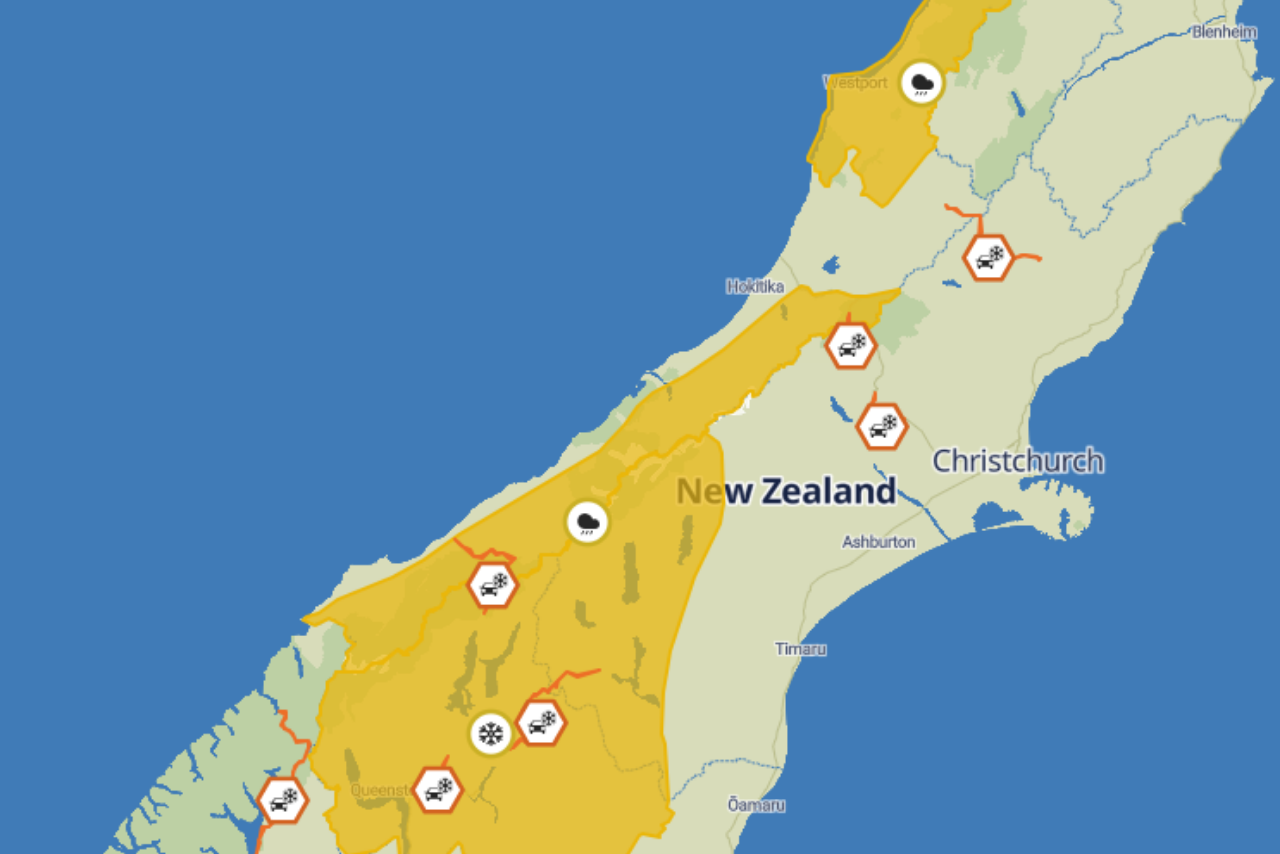
NZ Transport Agency said the effects of the storm were already being felt, with surface flooding affecting State Highway 6 between Makarora and Fox Glacier and State Highway 1 in south Dunedin.
State Highway 94 from Te Anau to Milford Sound has also been closed between the Lower Hollyford Road intersection and Donne River because of the avalanche risk.
An escorted convoy out of Milford Sound was planned for 3pm on Wednesday for anyone wanting to leave the tourist destination.
The road was otherwise expected to remain closed throughout Thursday, with a possible reopening on Friday, depending on conditions.
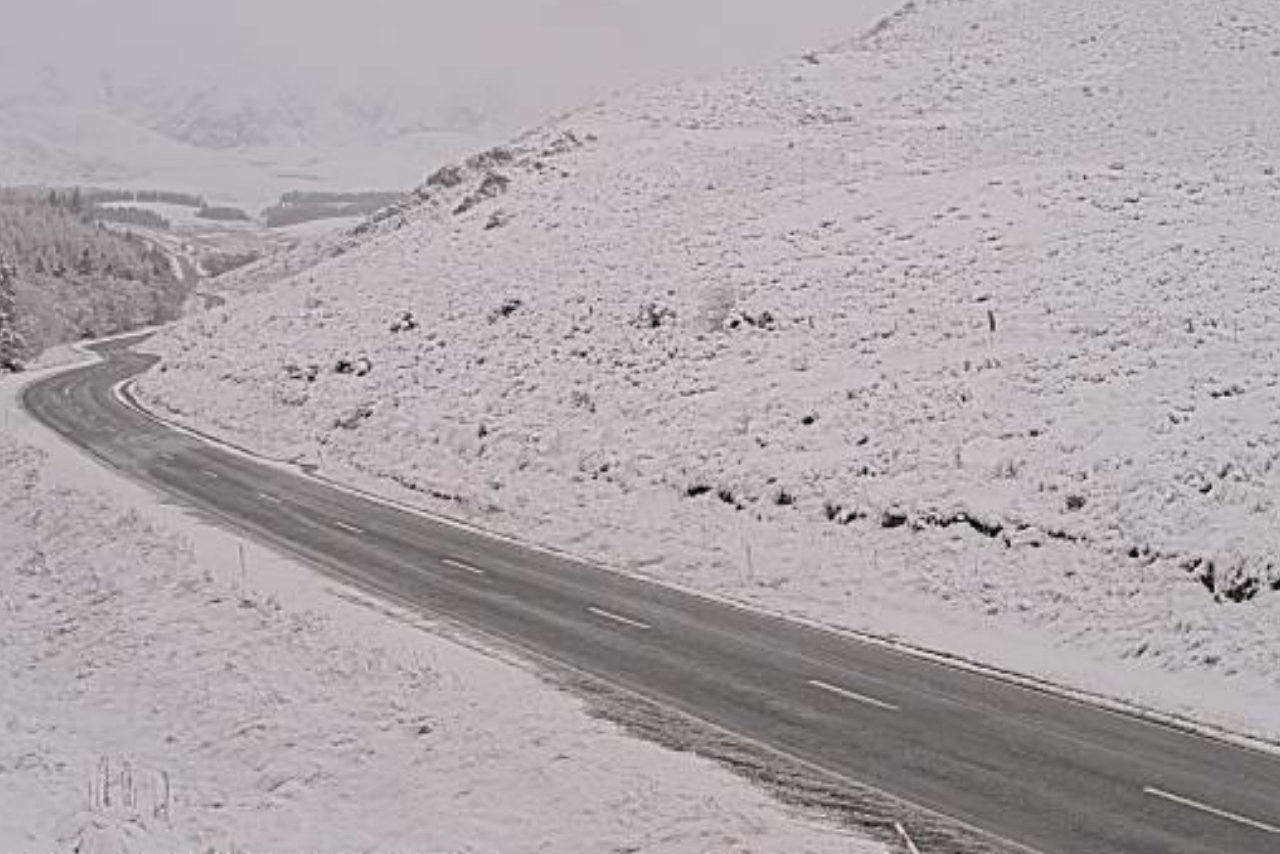
While heavy rain continues to affect the West Coast, significant snowfalls are forecast across inland parts of the South Island from Wednesday night.
MetService has issued a Heavy Snow Watch for the Canterbury high country south of the Rangitata River and for Otago from north of Arrowtown to Ranfurly.
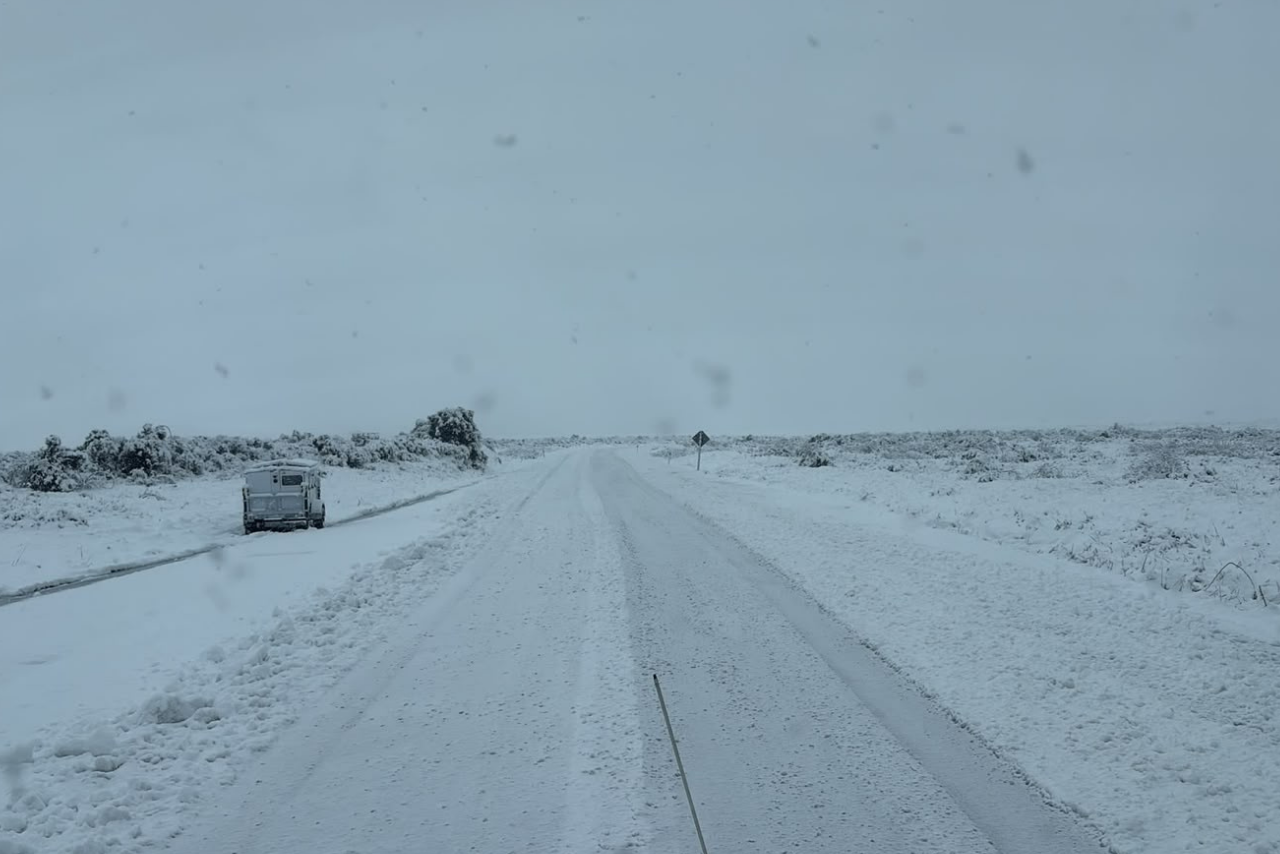
Up to 20 centimetres of snow is forecast on State Highway 73, while up to 15cm could accumulate around the Lindis Pass summit on State Highway 8.
NZTA warned State Highways 8 and 80 through the Mackenzie Basin could be particularly badly affected when the snowfall arrived overnight.
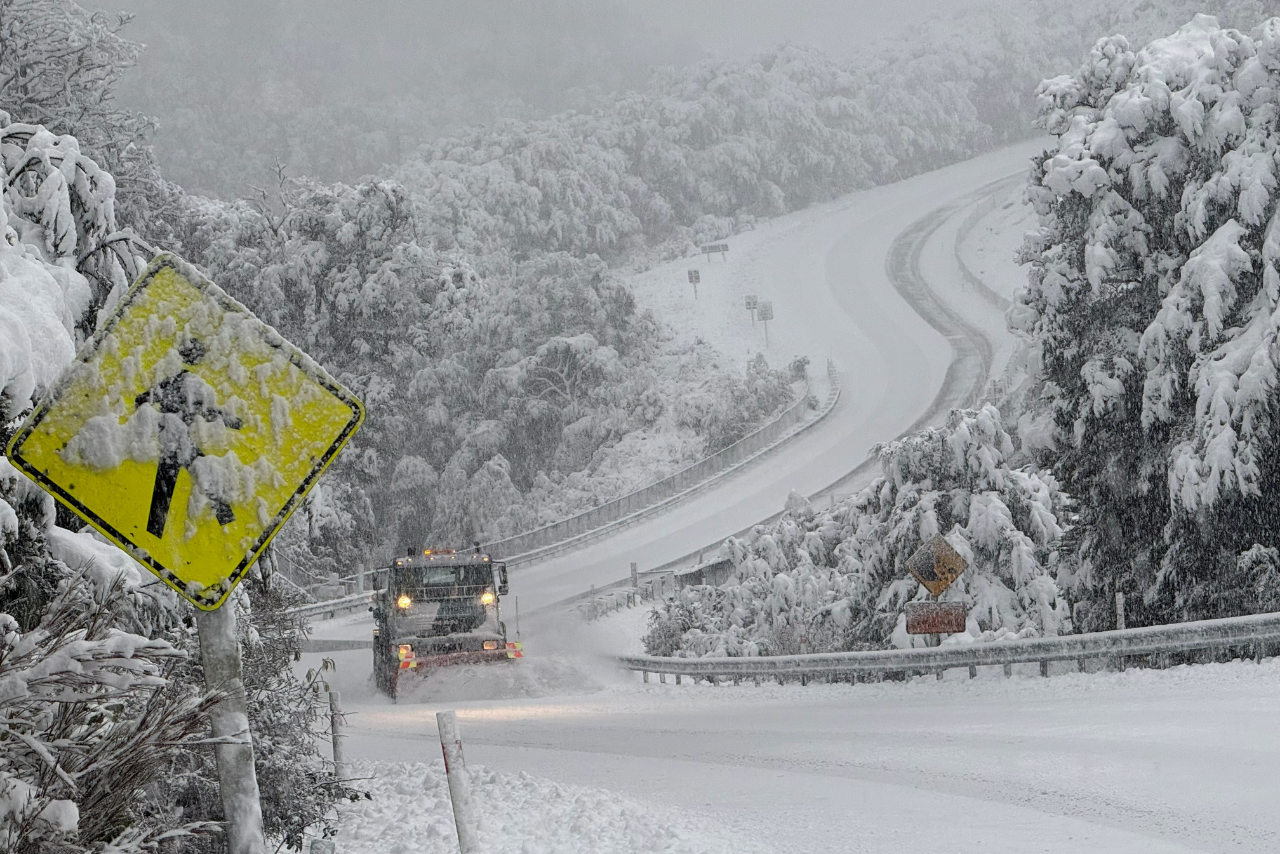
Contractors would work around the clock to keep roads open, but sections of highway could be closed or restrictions imposed if conditions became unsafe.
NZTA said closures may be needed to prevent vehicles and their occupants from becoming trapped.
Road users were being urged to carefully consider the risks of travelling, particularly through inland areas and across alpine passes, while the storm was under way.
Motorists should check weather forecasts and the latest highway conditions through the NZTA Journey Planner before leaving.
People travelling in snow, ice or heavy rain should reduce their speed, increase following distances and avoid sudden braking or turning.
Motorists were also advised to carry warm clothing, food and water in case they encountered closures, delays or lengthy detours.