Escaped youth tracked by Eagle helicopter, found hiding in New Brighton
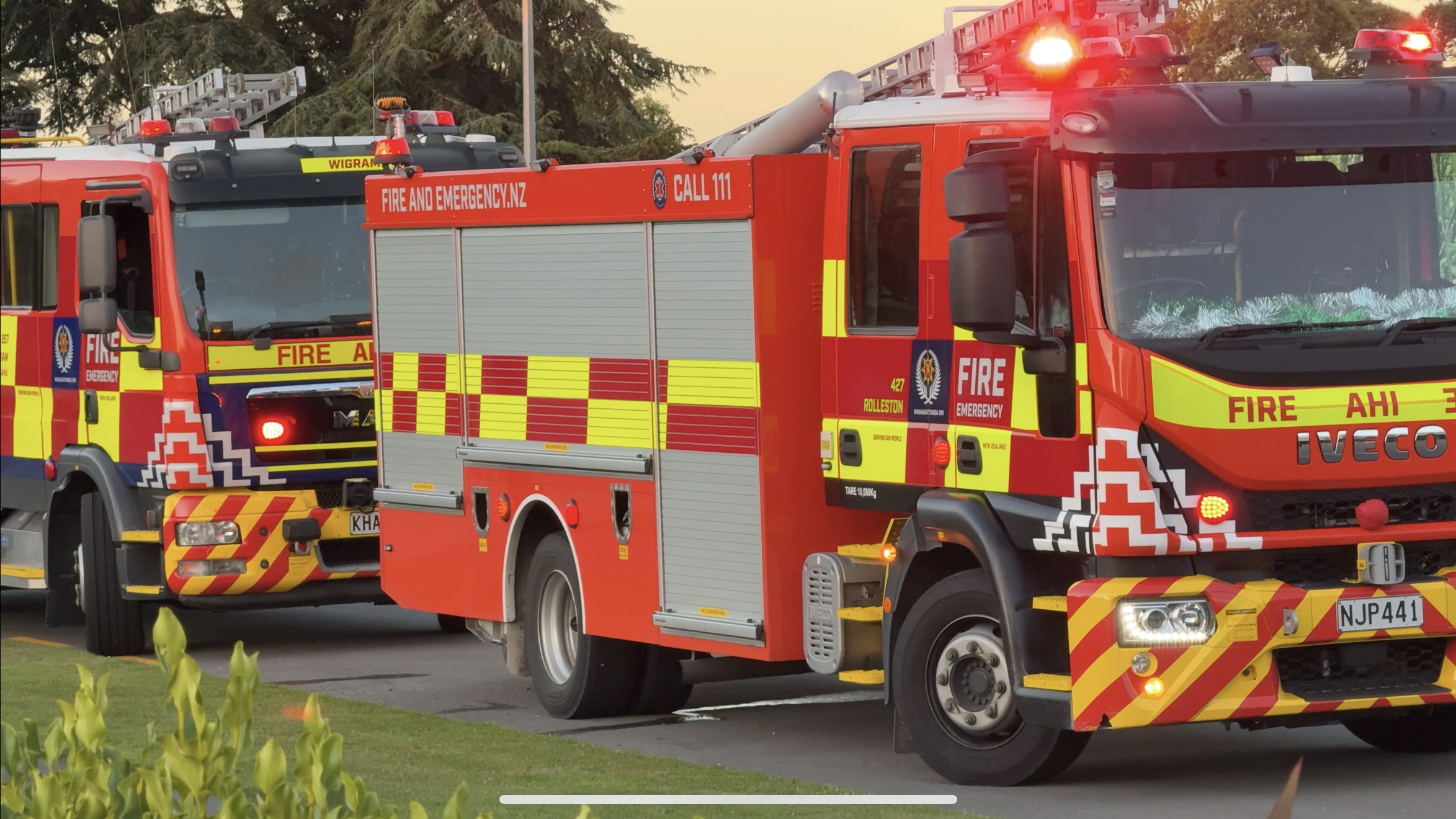
The young person who escaped from a youth justice facility in Rolleston has been located...


The young person who escaped from a youth justice facility in Rolleston has been located...

A person has been seriously injured on State Highway 75, Christchurch Akaroa Road. A police...

BodyFix Gym Christchurch in Phillipstown has taken out two major honours at the Exercise New...

Local MPs have found areas of agreement on major Resource Management Act reforms, during a...

A series of public events have been organised across Christchurch and Lyttelton over the coming...

A woman was taken to hospital after a ‘water incident’ at Parakiore Recreation and Sport...

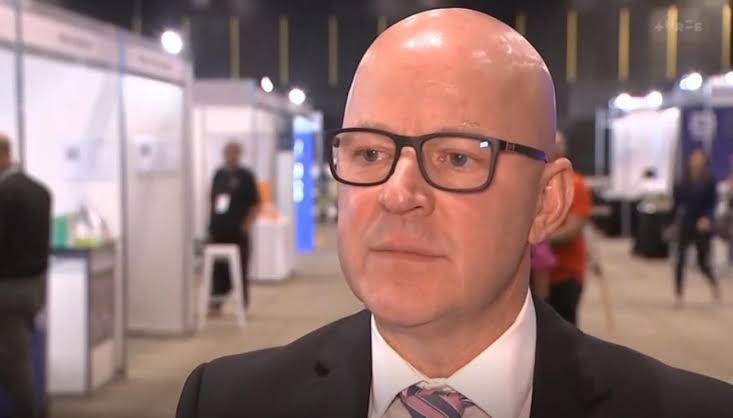
The Government is expanding mental health telehealth services after an independent review found too many people were waiting too long for support.
Mental Health Minister Matt Doocey has announced extended peer support hours through 1737, a new follow up call pilot for people experiencing acute distress, and plans for a dedicated national suicide prevention crisis line function operating around the clock.
The Government has accepted all recommendations from the independent review into mental health and addiction telehealth services.
Doocey said the review found core safety systems were in place, including triage, risk assessment, escalation processes and clinical governance.
“But it also makes clear there is more work to do. Too many people are not getting through quickly enough, and we do not always have enough visibility of what happens after someone is referred or escalated to another service.”
Peer support through 1737 will be expanded from its current 2pm to 10pm hours to 9am until midnight, seven days a week.
Five additional full time equivalent peer support workers will be added, with the expanded service expected to handle another 15,000 to 20,000 contacts each year.
Health New Zealand will also commission Whakarongorau to run a follow up call pilot involving up to 1,000 people experiencing acute distress after their initial telehealth contact.
The pilot will examine whether an additional contact can improve continuity of care and support for people after they first seek help.
The review also found there was no clearly designated national suicide prevention crisis line function available around the clock within the commissioned telehealth system.
Health New Zealand will establish that function through its upcoming procurement of national mental health and addiction telehealth services.
Doocey has also asked officials for advice on introducing a mental health and addiction telehealth target aimed at reducing waiting times.
“We are clear, and there are no exceptions to the rule; when someone reaches out for help, they should be able to access the support they need without waiting too long.”
The measures follow the Government’s recent announcement of more than $10 million in telehealth investment, expected to provide about 20,000 additional mental health and addiction contacts across phone, text and digital services.
Lifeline, Youthline and Whakarongorau are receiving funding through that investment.
Doocey said increasing call volumes, more complex needs and periods of high demand were contributing to delays and preventing some people from connecting with services.
“Telehealth services are often the first place people turn when they need support. When someone reaches out, they deserve to know they will be heard, supported and connected to the right help.”
He urged people needing mental health or addiction support to continue seeking assistance while changes were made to improve the system.
“My message to New Zealanders is simple: if you need mental health or addiction support, please keep reaching out. These services are there to help, and we are working to make sure they respond faster.”