Escaped youth tracked by Eagle helicopter, found hiding in New Brighton
The young person who escaped from a youth justice facility in Rolleston has been located...


The young person who escaped from a youth justice facility in Rolleston has been located...

A person has been seriously injured on State Highway 75, Christchurch Akaroa Road. A police...

BodyFix Gym Christchurch in Phillipstown has taken out two major honours at the Exercise New...

Local MPs have found areas of agreement on major Resource Management Act reforms, during a...

A series of public events have been organised across Christchurch and Lyttelton over the coming...

A woman was taken to hospital after a ‘water incident’ at Parakiore Recreation and Sport...
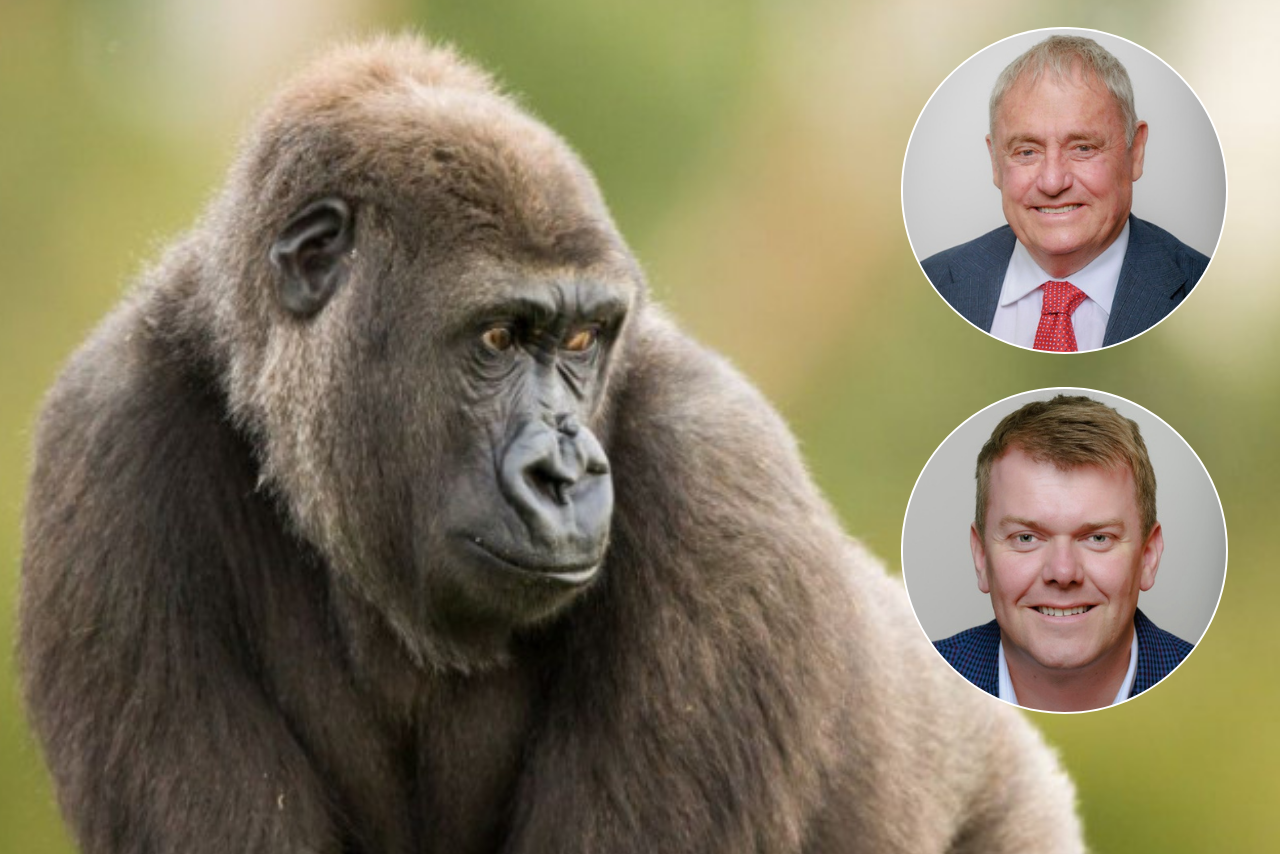
Ilam MP Hamish Campbell says New Zealanders should not panic about bird flu, describing it as a well established virus that remains poorly adapted to humans despite growing media attention.
Campbell, who holds a PhD from the University of Otago in virus and cancer research and spent more than 15 years working in science and academia before entering Parliament, said the disease had circulated among bird populations around the world for about 30 years.
“It is actually a form of influenza virus,” Campbell said.
He said the subtype labels attached to bird flu referred to proteins encoded by the virus.
Two cases have now been detected in New Zealand, with the possibility of further cases. Campbell said the virus arriving here was not surprising because migratory birds could carry it across international borders.
“Birds we can’t control,” he said. “Migratory birds are going to be able to come and go into New Zealand, and they potentially are carriers.”
Campbell said New Zealand was unlikely to eliminate the virus, but praised the Department of Conservation and the Ministry for Primary Industries for vaccinating some endangered native birds.
“It does mean that we might be able to protect some of our birds from this quite lethal flu that’s going through the bird population,” he said.
He said the greatest biosecurity risk was to commercial poultry, warning an outbreak on chicken farms could have devastating consequences for flocks. The industry had been preparing for the threat for several years, he said.
Campbell was also keen to dispel what he regarded as common myths.
While many people feared another pandemic, he said sustained transmission between people remained rare and the virus appeared far better adapted to birds than humans.
Campbell dismissed concerns about food safety, including suggestions people should separate frozen chicken from other food.
“Our chickens and eggs are safe to eat,” he said. “I don’t think there’s a necessary need for panic.”
Campbell urged people to rely on official information from agencies including the Ministry for Primary Industries.
“Viruses, they’re everywhere,” he said. “There’s been studies that suggest a teaspoon of seawater will have about 10 million virus particles in it. But they do tend to be quite specific to different species.”
He compared the way a virus infects a cell to a lock and key, saying the current strain did not fit human cells particularly well.
“When we have seen transmission to humans, it has been people that have had close contact with birds,” he said.
His advice was simple. Anyone who saw a sick bird or several dead birds should contact the Ministry for Primary Industries and avoid handling the carcasses.