Escaped youth tracked by Eagle helicopter, found hiding in New Brighton
The young person who escaped from a youth justice facility in Rolleston has been located...


The young person who escaped from a youth justice facility in Rolleston has been located...

A person has been seriously injured on State Highway 75, Christchurch Akaroa Road. A police...

BodyFix Gym Christchurch in Phillipstown has taken out two major honours at the Exercise New...

Local MPs have found areas of agreement on major Resource Management Act reforms, during a...

A series of public events have been organised across Christchurch and Lyttelton over the coming...

A woman was taken to hospital after a ‘water incident’ at Parakiore Recreation and Sport...

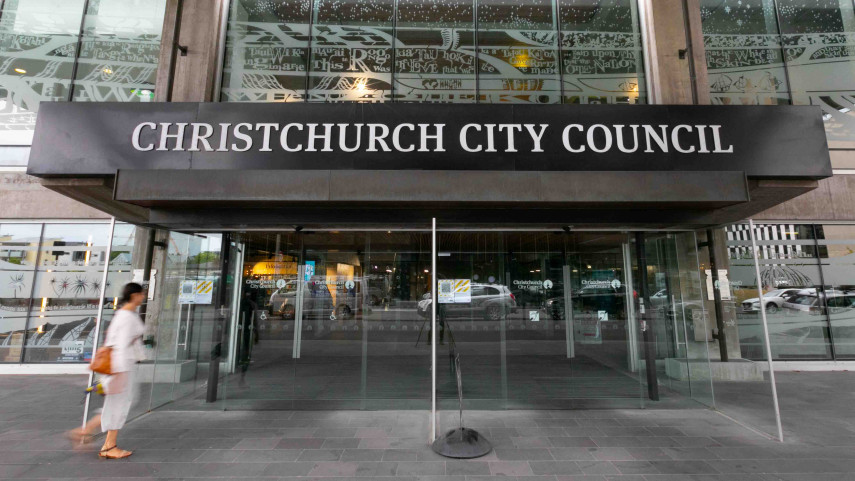
Christchurch city councillors will today help decide what local government in Canterbury could look like for a generation.
They will consider four options, ranging from a modest restructuring centred on Christchurch to a single council governing the entire region.
Option A would keep Christchurch, including Banks Peninsula, within its existing boundaries while transferring the regional council’s responsibilities to the city. It would be the simplest change, but staff say it would also deliver “the least simplification of regional governance.”
Option B would expand the city to include the urban areas of Selwyn and Waimakariri.
Option C would bring Christchurch, Selwyn, Waimakariri and Hurunui together, with Kaikōura potentially included. Staff describe this as the balanced option.
Option D is the most sweeping proposal, creating one council for all of Canterbury.
Council staff recommend Christchurch participates in the reform process, but they have stopped short of endorsing any of the four options.
“Staff have not identified a preferred structural option,” the report says. “Those are ultimately matters for elected members.”
Option A is the only proposal identified as potentially reducing costs for ratepayers, largely because Christchurch already contributes a significant share of regional council funding.
However, staff warn that the estimate is “indicative only, as no detailed financial analysis has been undertaken.” Whatever option is chosen, the transition is expected to come with a substantial price tag.
The report says costs are “likely to be significant,” with the financial risk compounded by the Government’s plans to cap rates increases. Councillors are being advised to ask the Government to contribute to those costs.
Choosing not to participate would bring its own risks. Councils that sit out the process would enter a Government led system known as the backstop. That process has not yet been designed, with ministers due to report to Cabinet by May 2027.
The report is clear about the potential consequences. The backstop “is expected to provide councils with less opportunity to influence the design of future arrangements.”
It also makes clear that some form of change is inevitable. “The Head Start process creates unitary authorities. There will be no further elections for regional councillors.”
The new councils are expected to be operating in time for the 2028 local election. Public input into the decision has been limited. More than 7,300 residents responded to an initial survey and 5,628 completed a follow up, but neither survey asked people to choose between the four options now before councillors.
No public consultation is required before today’s decision. The report notes there is “no general obligation to consult,” despite assessing the decision as highly significant under the Council’s own policy.
Four of the eight councillor workshops held since May were closed to the public. Te Rūnanga o Ngāi Tahu wrote to Mayor Phil Mauger three times in July, arguing that “incremental change will not be enough.”
According to the report, Option A has “the weakest overall alignment with Ngāi Tahu principles.”
Councillors have little time to settle on their position. Their decision must reach Wellington by Sunday.
Cabinet will decide in September which proposals move forward.