Escaped youth tracked by Eagle helicopter, found hiding in New Brighton
The young person who escaped from a youth justice facility in Rolleston has been located...
Proudly powered by VAST – NZ’s leading digital advertising billboard company. FIND OUT MORE

The young person who escaped from a youth justice facility in Rolleston has been located...

A person has been seriously injured on State Highway 75, Christchurch Akaroa Road. A police...

BodyFix Gym Christchurch in Phillipstown has taken out two major honours at the Exercise New...
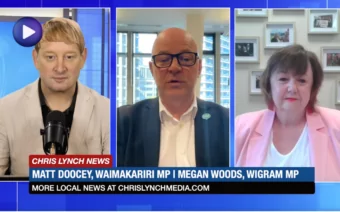
Local MPs have found areas of agreement on major Resource Management Act reforms, during a...

A series of public events have been organised across Christchurch and Lyttelton over the coming...

A woman was taken to hospital after a ‘water incident’ at Parakiore Recreation and Sport...

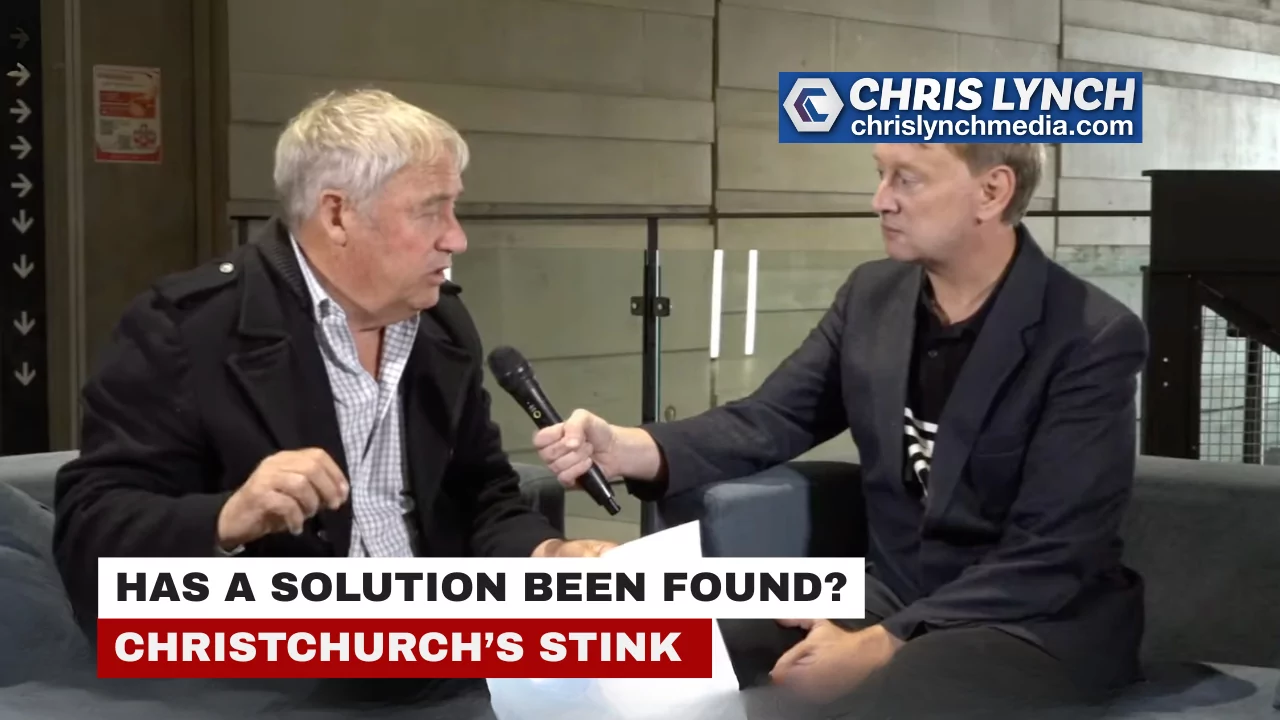
Christchurch Mayor Phil Mauger said the city council had submitted its response to Environment Canterbury as the deadline arrived for a plan to address the ongoing smell from the wastewater treatment plant.
Speaking to chrislynchmedia.com, Mauger said council staff had been working to present a proposal to the regional regulator, which would now review the plan and respond with its feedback.
“As far as I know I haven’t seen what has actually been presented to them,” Mauger said.
“The guys are working on it at the moment and it will be presented to them today and then they’ll come back with their thoughts.”
The mayor said the proposal largely followed the approach he had spoken about publicly in recent weeks, including work on a temporary bypass pipe.
“The bypass pipe that I was talking about is now getting into our staff are working really hard on that and making sure that there’s nothing bad going to happen,” Mauger said.
He also sought to reassure businesses concerned about the potential environmental impact of any discharge.
“I’ve taken on board what you hear from the aquaculture guy and be fear not nothing will be going out to sea which is above what the government levels are that say we can do that because we can’t do that.”
Mauger said the proposal was not intended as a permanent solution, describing it as a temporary step until the plant’s activated sludge system was fully operational again.
“It’s not a long term solution it’s just a temporary solution until the activated sludge comes up on stream.”
If regulators approve the plan, Mauger said the council wanted to move quickly.
“If it gets the green light it’s do it as soon as we possibly can,” he said.
“At the moment it seems to be under control but that could change in a week it could change in a fortnight and then the person that’s in the gun is me.”
He estimated the work could be completed within about two months if approval was granted.
“If it gets the green light to do it I would say it would be two months max.”
Alongside the wastewater issue, Mauger said the council had also asked staff to identify significant savings as residents face growing cost of living pressures.
In a letter to council chief executive Mary Richardson, councillors requested budget reductions of six percent in the first year, followed by five percent and four percent in the following years.
Mauger said the approach marked a shift in how council budgets were set.
“Normally staff will come along and say if all the things that we think we need this is going to cost eighteen percent,” he said.
“We’re not doing it that way round we’re doing it the right way round.”
Staff had been instructed to work out what services or projects might be affected in order to meet those savings targets.
“They’ll come back and say if council you want five percent four percent six percent whatever this is what you will dip out on.”
Mauger warned the process could lead to difficult decisions.
“There was going to be a hell of a row when that happens.”
He said rising fuel prices and broader inflation pressures were likely to increase costs across the board, making it more important to match council spending with what could realistically be delivered.
“What we’ve done over the last few years we’ve always rated for more than we can deliver,” Mauger said.
“Now it’s changing round to we will rate for what we can deliver not what we say we’ll deliver and that will save tens of millions of dollars going forward.”
The mayor also acknowledged not all councillors supported the approach.
Councillor Melanie Coker did not back the letter setting out the proposed savings targets.
“That’s democracy,” Mauger said.
“She decided not to vote for it and that’s her prerogative she can do that but everyone else did.”
With global instability continuing to affect fuel prices and supply chains, Mauger said the council would need to stay flexible as economic conditions evolve.
“We’re only sort of two weeks into the Iranian problem,” he said.
“God knows how long that’s going to last and how much everything from your shoes to your hairbrush to your toothpaste everything’s going to go up in cost.”