Escaped youth tracked by Eagle helicopter, found hiding in New Brighton
The young person who escaped from a youth justice facility in Rolleston has been located...


The young person who escaped from a youth justice facility in Rolleston has been located...

A person has been seriously injured on State Highway 75, Christchurch Akaroa Road. A police...

BodyFix Gym Christchurch in Phillipstown has taken out two major honours at the Exercise New...

Local MPs have found areas of agreement on major Resource Management Act reforms, during a...

A series of public events have been organised across Christchurch and Lyttelton over the coming...

A woman was taken to hospital after a ‘water incident’ at Parakiore Recreation and Sport...

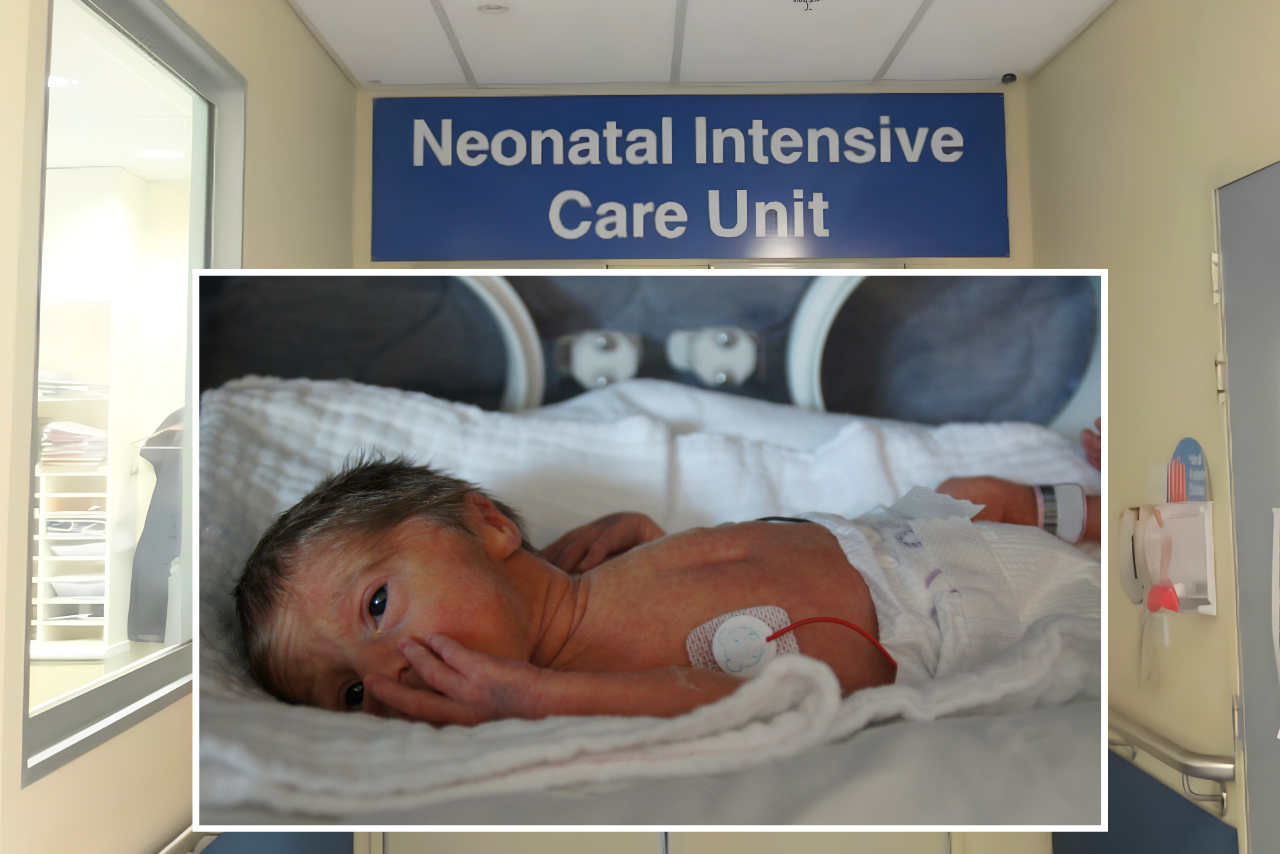
The Canterbury Human Milk Bank at Christchurch Hospital is urgently seeking breast milk donors, with the shortage expected to continue until December.
Clinical nurse specialist Scholastica O’Bery told Chris Lynch Media demand for pasteurised donor milk often surged during winter.
“I don’t know whether it’s just this time of the year, but it always seems to be around winter, between now and December, that the demand for pasteurised donor milk just absolutely surges within the neonatal intensive care unit.”
The milk is provided to premature, sick and low birthweight babies in the hospital’s neonatal intensive care unit and maternity ward.
One litre of donated milk can feed up to seven babies for a day. All donated milk is screened, tested, stored and pasteurised before being given to a baby.
“Babies are born too early, mummy’s body is not quite ready to make the breast milk that the baby requires for nourishment, and these babies do need to be fed to promote their growth, to promote their development,” O’Bery said.
“That’s where the human milk bank comes alongside the parent and provides donor milk, which we pasteurise as a treatment to make that safe for other babies to consume.”
Prematurity is not the only reason a mother’s milk supply may be slow to develop.
“It gives the mum a little bit of time to build her milk production. There may be many reasons that there’s a delay in that initial milk production. It could be she’s on medication,” O’Bery said.
“The neonatal intensive care unit in Christchurch is extremely busy, and with the high admission rate, the use of donor milk escalates.”
The need for support often continues after families leave hospital.
“In the community, there’s a lot of mummies that are being discharged from the neonatal unit, or discharged from the maternity ward where their babies were, and their milk production is just not quite there, and so that’s where they need the support,” she said.
“From hospital to the community, there needs to be that ongoing support of these parents who are pretty desperate to breastfeed their babies.”
O’Bery said the response from the public whenever an appeal was made was extraordinary.
“Once the call goes out, the aroha is, oh my goodness, I can’t even describe how amazing that aroha actually is. The responses come flooding in.”
“There are lots of mummies out there that are expressing, and if they have any surplus or anything that’s more than they need, we encourage them to please consider milk donation.”
The milk bank provides equipment and collection services to make donating as easy as possible.
Mothers in Christchurch and surrounding areas, including Leeston and North Canterbury, can use a regular home collection service.
Donors living farther away may be offered complimentary transportation through the New Zealand Couriers network.
“We provide mummies with any necessary supplies, expressing supplies, milk containers or milk bags, so we try to limit that expense,” O’Bery said.
Signing up involves completing a general health check form, providing consent and having a blood test.
“Based on that health survey, that mum will either be able to donate, or we may need to defer,” she said.
O’Bery said donating milk was about more than meeting a practical need.
“Breastfeeding is sustainable, and milk donations are way more than milk, it’s aroha at its best,” she said.
The Christchurch milk bank opened in 2014 as the first service of its kind in New Zealand and remains the country’s largest.
Health New Zealand also operates milk banks in Nelson, Wairau, Wellington and Whangārei.
Anyone interested in donating can call or text 021 190 5008, or email [email protected].