Escaped youth tracked by Eagle helicopter, found hiding in New Brighton
The young person who escaped from a youth justice facility in Rolleston has been located...


The young person who escaped from a youth justice facility in Rolleston has been located...

A person has been seriously injured on State Highway 75, Christchurch Akaroa Road. A police...

BodyFix Gym Christchurch in Phillipstown has taken out two major honours at the Exercise New...

Local MPs have found areas of agreement on major Resource Management Act reforms, during a...

A series of public events have been organised across Christchurch and Lyttelton over the coming...

A woman was taken to hospital after a ‘water incident’ at Parakiore Recreation and Sport...

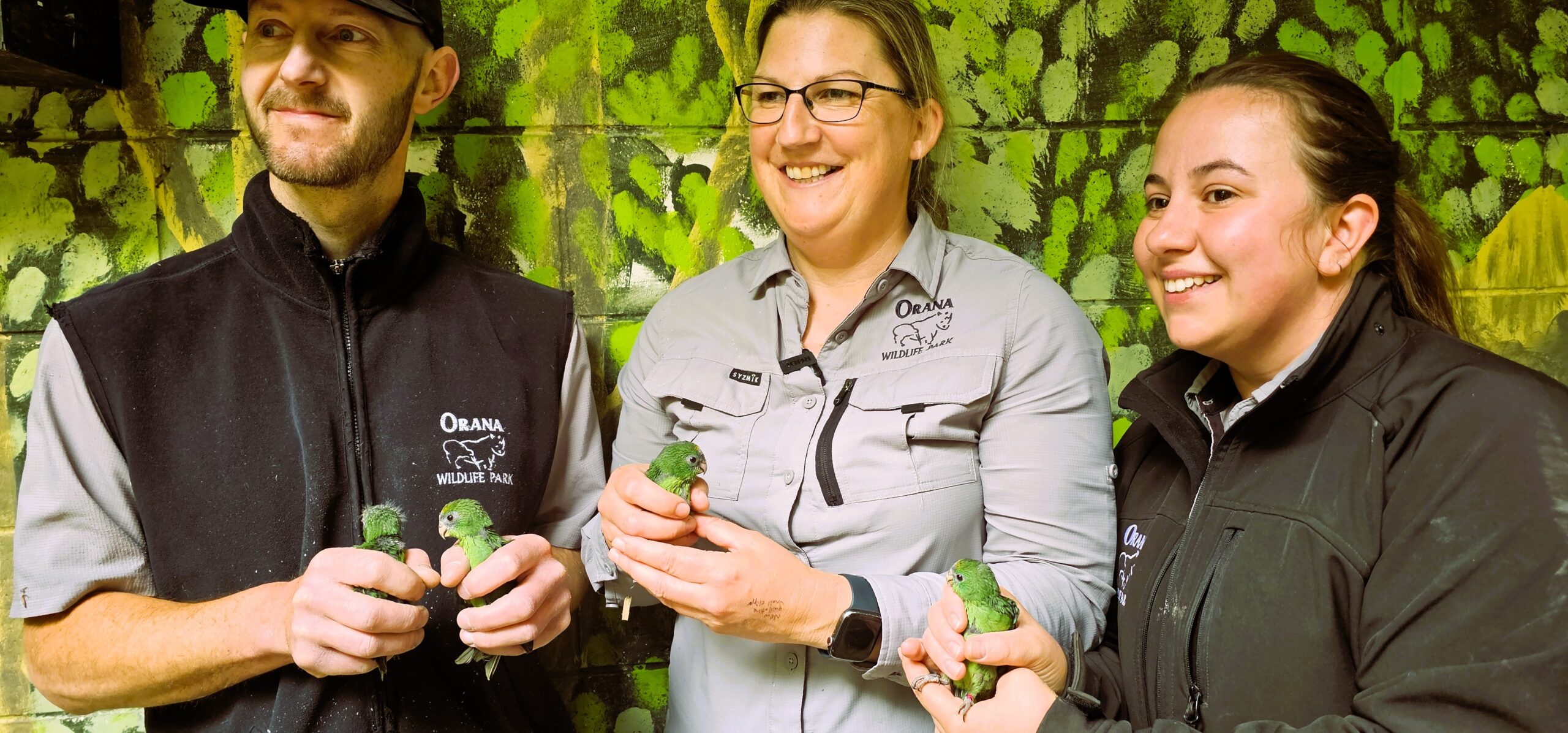
Retirement was supposed to be a quiet affair for two elderly parakeets at Christchurch’s Orana Wildlife Park, but an unexpected romance has left their keepers stunned.
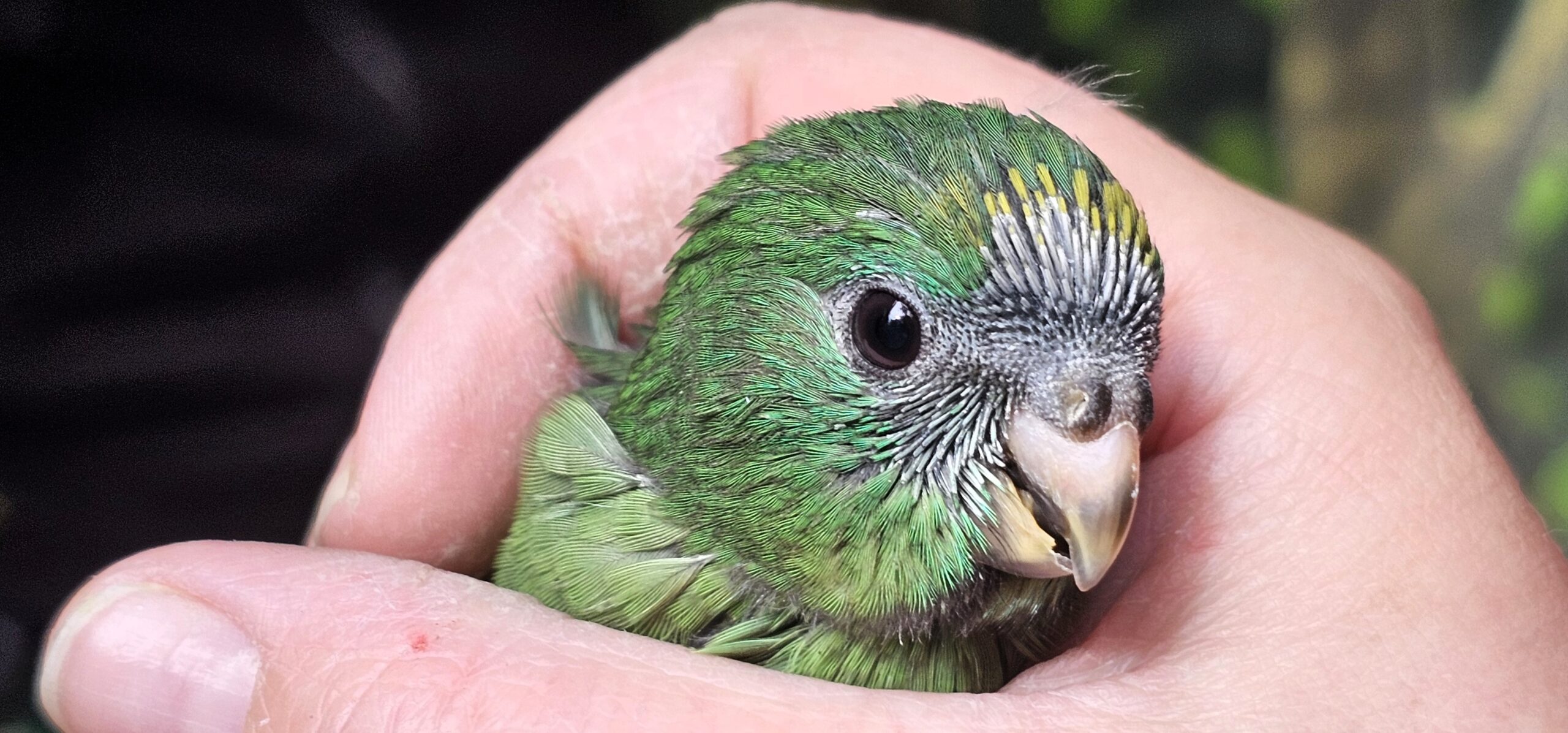
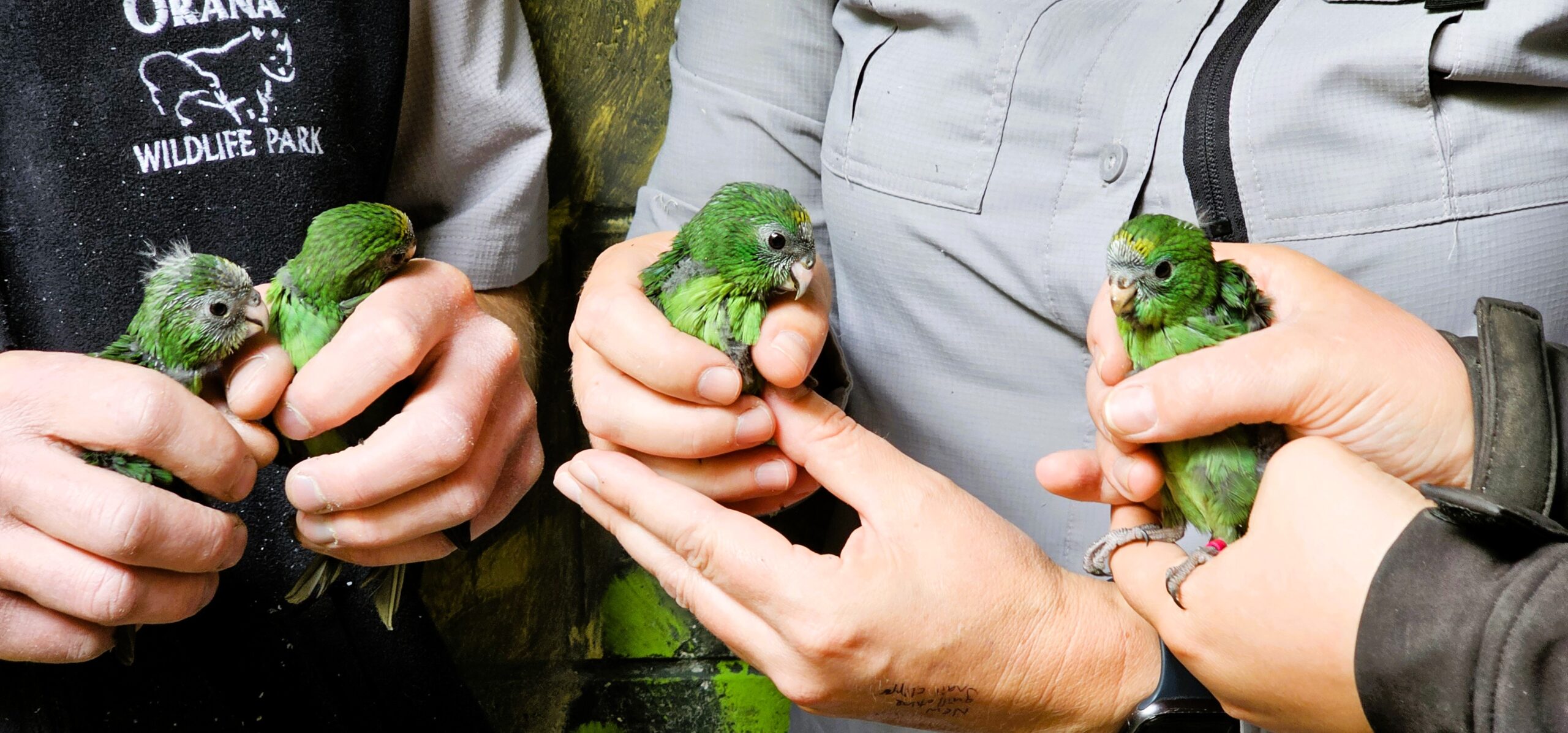
Sophia and Prince Polo, a pair of critically endangered orange fronted parakeets, have become parents despite both having officially retired from breeding.
And in a remarkable twist, Sophia has already laid another clutch of eggs while the couple’s four chicks are barely a month old.
Orana Wildlife Park Native Fauna Manager Catherine Roughton said the surprise began after Sophia lost her previous partner, Poldark.
Both birds had been considered too old for breeding and were living out their retirement on public display.
Supplied / DOC
When Poldark died, keepers introduced another retired male, Prince Polo, to keep Sophia company.
What happened next was completely unexpected.
“Incredibly the magic happened and Sophia laid a clutch of eggs,” Roughton said.
“What’s even more stunning is that four weeks later, while her new babies are just a month old, she’s gone back into her nest box and laid more eggs. Prince Polo has clearly ignited something in her.”
The unexpected romance is particularly significant because the kākāriki karaka is one of New Zealand’s rarest birds.
The species has twice been declared extinct, and its population is estimated at just 450 birds, mostly living on offshore islands and at the Brook Waimārama Sanctuary near Nelson, with a small remaining population in Canterbury.
Orana Wildlife Park is part of a breeding programme alongside the Department of Conservation and The Isaac Conservation and Wildlife Trust, with Te Rūnanga o Ngāi Tahu also a programme partner.
DOC
DOC Kākāriki Karaka Recovery Programme lead Wayne Beggs said the couple’s unexpected return to breeding was particularly valuable.
Both Sophia and Prince Polo were collected as eggs from wild nests in Canterbury’s Poulter Valley about eight years ago, meaning their offspring carry important genetic diversity.
“This has immense value to our captive breeding programme and to the genetic diversity of wild populations where this pairs’ offspring are released into,” Beggs said.
“The fact that this pair is breeding is a huge win for the kākāriki karaka recovery program.”
Orana Wildlife Park has successfully bred more than 150 orange fronted parakeets that have been released into the wild.
In a recent release, another 12 birds were returned to the Hawdon Valley near Arthur’s Pass, including four bred at Orana Wildlife Park.
Beggs said the programme was essential to rebuilding wild populations.
“Boosting these wild populations is vital to their recovery. Ideally, we want to get to the stage where they can be self-sustaining but we’re not there yet.”
For the team at Orana, the surprise arrival of new chicks has been a welcome reward for years of conservation work.
“They’re an iconic Canterbury species and have been brought back from the brink thanks to the captive breeding programme. Saving a species is a real responsibility, and we love the work,” Roughton said.
And while Prince Polo has his work cut out feeding four hungry youngsters, Sophia appears to have rediscovered her enthusiasm for motherhood.
“Prince Polo is a legend,” Roughton said.
“As for Sophia, well she obviously developed a new passion for being a new parent or maybe it’s a passion for Prince Polo.”