Escaped youth tracked by Eagle helicopter, found hiding in New Brighton
The young person who escaped from a youth justice facility in Rolleston has been located...


The young person who escaped from a youth justice facility in Rolleston has been located...

A person has been seriously injured on State Highway 75, Christchurch Akaroa Road. A police...

BodyFix Gym Christchurch in Phillipstown has taken out two major honours at the Exercise New...

Local MPs have found areas of agreement on major Resource Management Act reforms, during a...

A series of public events have been organised across Christchurch and Lyttelton over the coming...

A woman was taken to hospital after a ‘water incident’ at Parakiore Recreation and Sport...

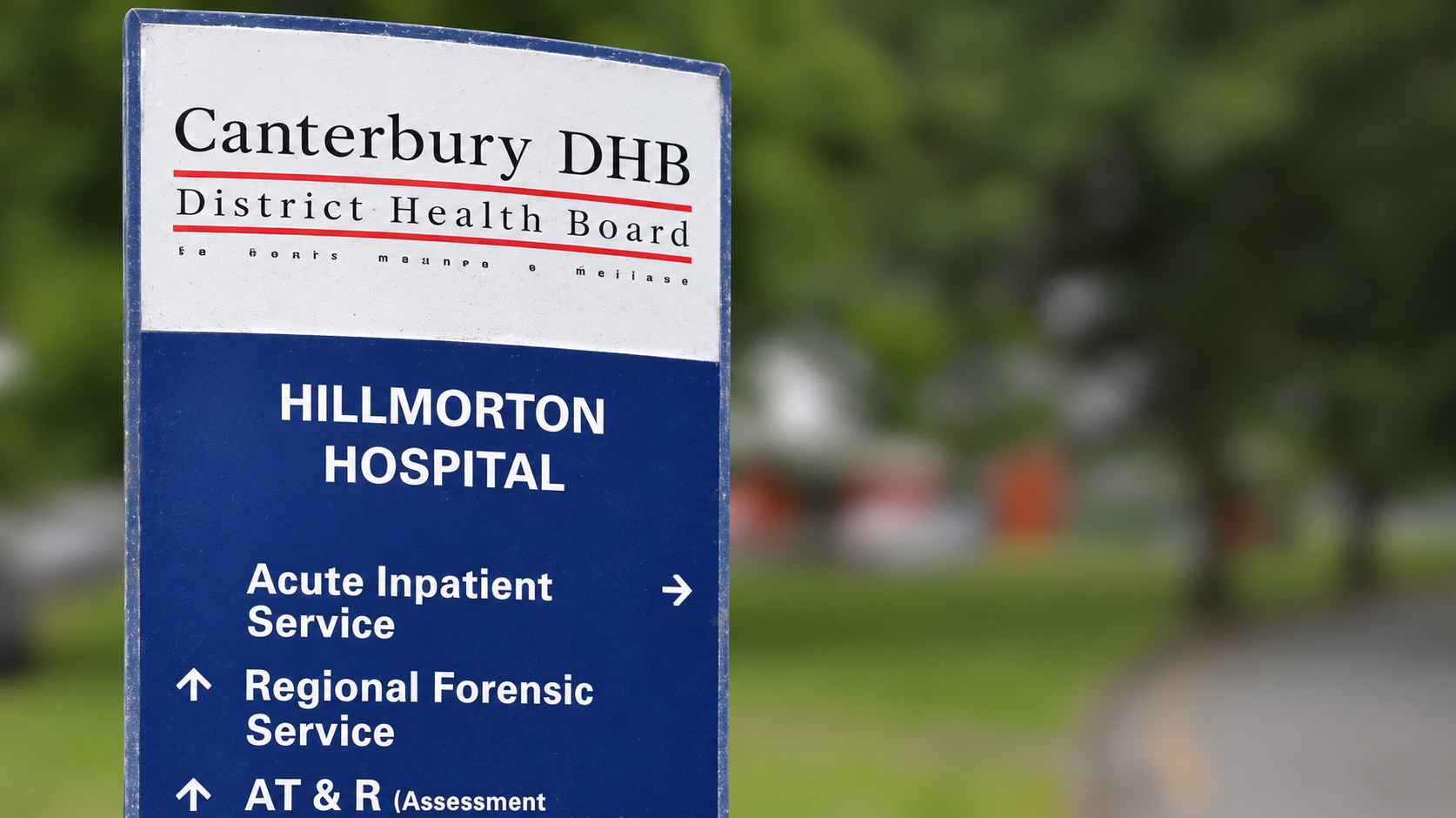
Hillmorton Hospital staff say workers are being locked in with a patient who continues to assault them and they’ve turned to Chris Lynch Media as a final resort, fearing “someone will be seriously injured or worse by this man before action is taken.”
Staff want the patient returned to secure forensic care.
In a letter to chrislynchmedia.com, they said they warned against moving him to an open ward about eight months ago. Since his return, they say, he has assaulted staff and patients and left the ward without permission several times.
The patient is now in a semi-secure area of the open ward, where two staff members are locked in with him at a time. Workers said the intention was to move him back among patients on the wider ward, some of whom he had already assaulted.
“Management are portraying that there is not an imminent risk to anyone and are playing down all incidents,” the letter said. In a statement to Chris Lynch Media, Health New Zealand Canterbury Mental Health and Addictions Programme Director Ian Mckenzie said staff working in secured areas had personal duress alarms and access to wall-mounted alarms to summon help.
“The safety of staff remains a priority, and staff are not expected to remain in situations where their safety has been compromised.”
Mckenzie did not say whether the patient would return to forensic care or whether Health New Zealand intended to move him into the wider ward.
Do you know more email [email protected] in confidience
According to the staff letter, the man had previously been transferred to forensic care after a series of assaults and threats involving staff and members of the public.
Some incidents occurred after he left the ward without permission. Staff described him using his fists and, at times, weapons including knives.
He spent several years in the forensic unit. Staff said senior management and the forensic multidisciplinary team then decided he no longer posed a risk and could return to an open ward, despite concerns from the staff who would be caring for him.
“Not long after returning his assaults started becoming more frequent with increased violence.” Staff said the violence continued for months. They said his behaviour was unpredictable and they could no longer keep staff and other patients safe on the ward.
The patient was temporarily moved to a more secure area on an acute ward, where more staff were available, including security staff with specialist training. The letter said staff on that ward unanimously raised concerns about safety and whether the patient should be there.
Staff on the hospital’s three other acute wards also raised concerns.
Workers said management then sent him back to the standalone open ward, placing him in the semi-secure area with two staff at a time.
A second account received by Chris Lynch Media on Sunday night also described continuing assaults on nurses there and raised concerns for unwell patients who had been assaulted and had no family to speak up for them.
Mckenzie said Christchurch Specialist Mental Health Services leaders continued to work closely with frontline Hillmorton staff over assaults and safety.
“Decisions on where patients are located are based on a range of factors and considerations, including the clinical needs of the patient and the safety of staff, other patients and the community.”
The first staff letter said numerous assaults, ranging from minor to serious, had been reported to police through 105.
The writers said they understood police would not lay charges because judges had dismissed earlier cases on the grounds that the man was a mental health inpatient. Staff said their concern extended beyond the hospital because the patient had repeatedly left the ward without permission.
They recalled an earlier case in which they said an elderly woman died after a different patient from the same ward went into the community.
Mckenzie said when a patient left without authorisation, staff assessed the risk and could notify police and other agencies, depending on the circumstances.
He said inpatient settings could be unpredictable and staff had specialist training in de-escalation.
He said incidents were formally reported and reviewed to establish what had happened and whether further safety measures were needed. Staff involved were offered debriefing, wellbeing services and follow-up from senior staff.
“Our staff have the right to expect to be safe from violence and abuse at work. No assault on staff is acceptable, and we take any such incident seriously.”