Escaped youth tracked by Eagle helicopter, found hiding in New Brighton
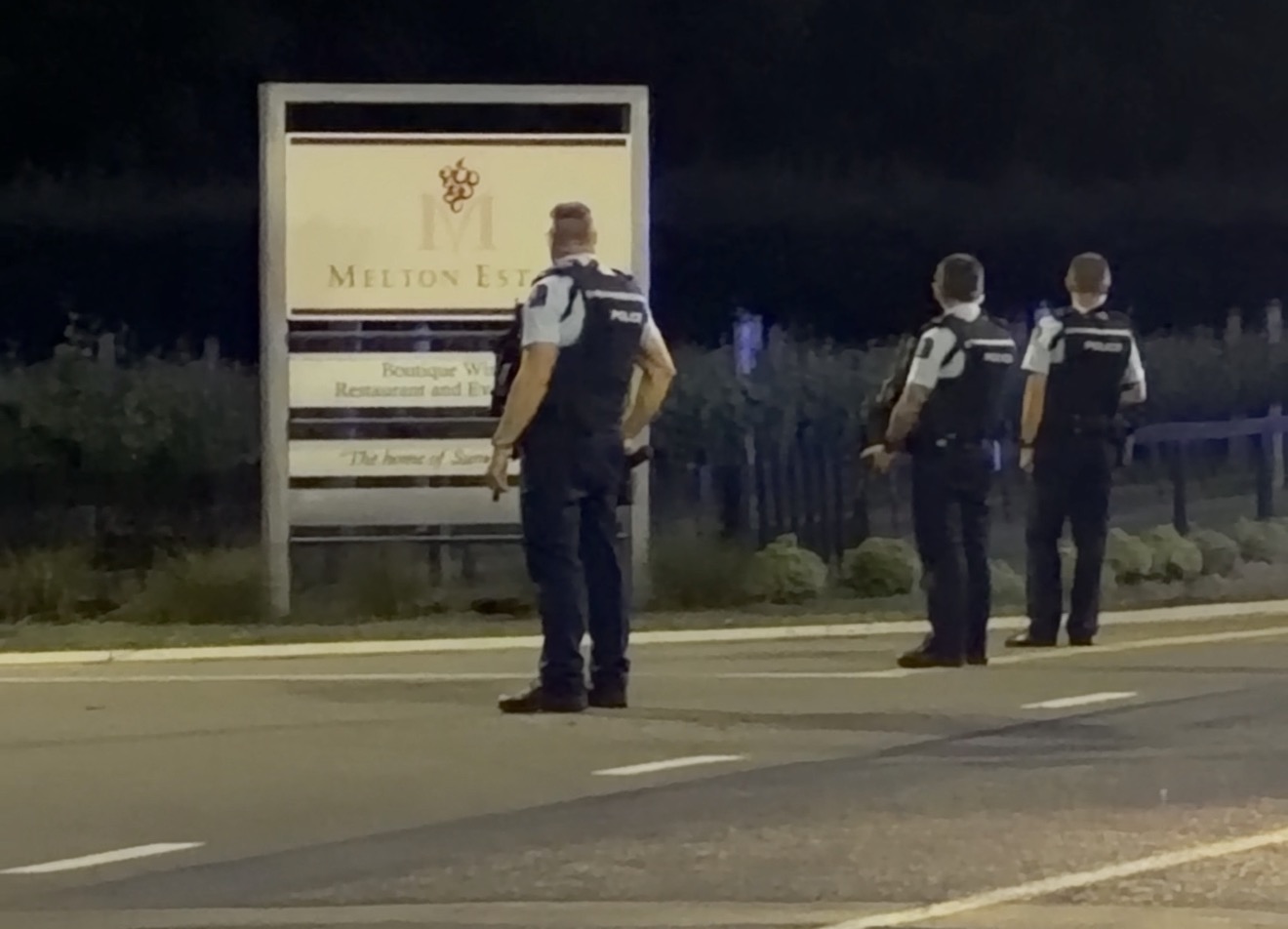
The young person who escaped from a youth justice facility in Rolleston has been located...


The young person who escaped from a youth justice facility in Rolleston has been located...

A person has been seriously injured on State Highway 75, Christchurch Akaroa Road. A police...

BodyFix Gym Christchurch in Phillipstown has taken out two major honours at the Exercise New...

Local MPs have found areas of agreement on major Resource Management Act reforms, during a...

A series of public events have been organised across Christchurch and Lyttelton over the coming...

A woman was taken to hospital after a ‘water incident’ at Parakiore Recreation and Sport...

RNZ has rejected a union request to pause its restructuring, as staff representatives continue to dispute whether the broadcaster is meeting its consultation and public service obligations.
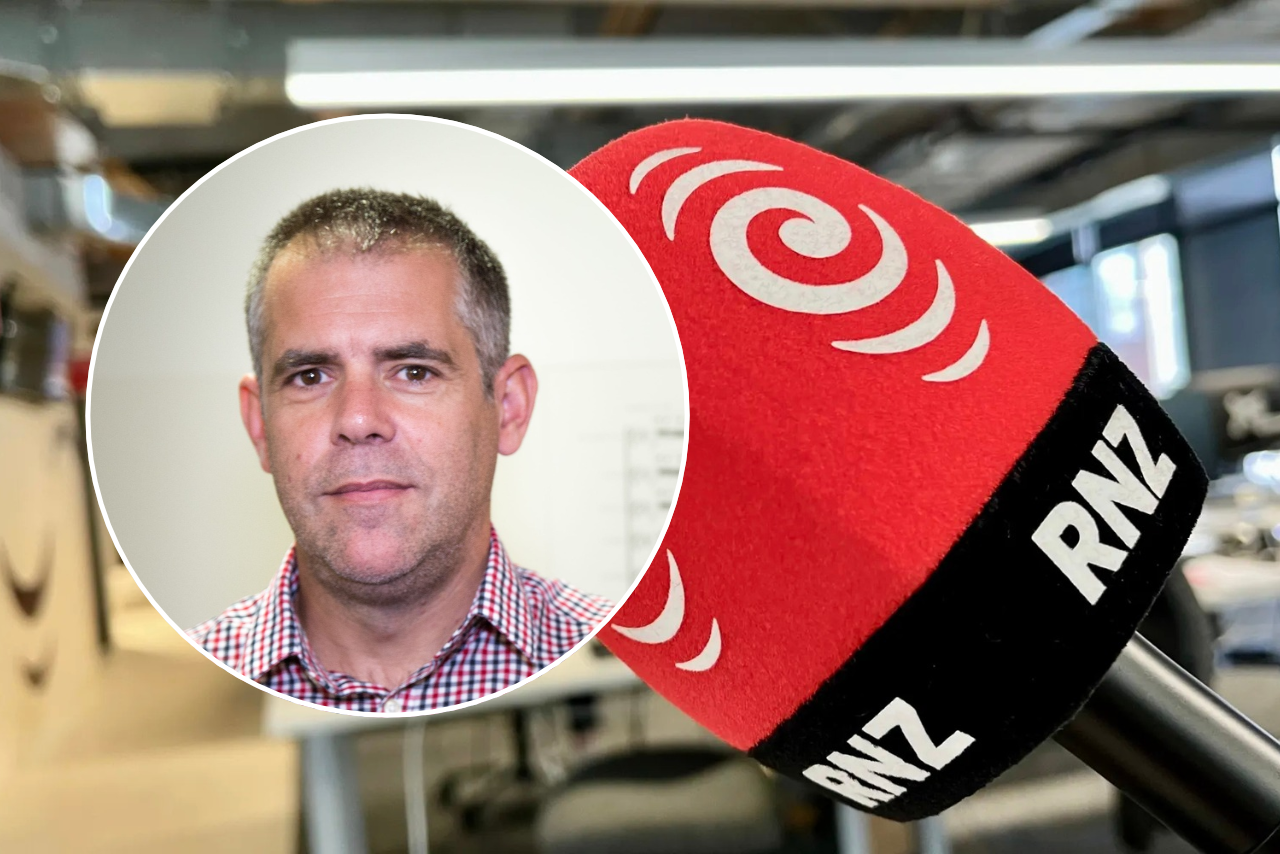
In a letter obtained by chrislynchmedia.com, RNZ interim chief executive and editor in chief Mark Stevens responded to concerns raised by Public Service Association national secretary Fleur Fitzsimons and E tū national secretary Rachel Mackintosh.
“Given the circumstances and urgent financial constraints RNZ is now facing, we are unable to pause the change processes that have commenced, or will be commencing very shortly.”
His November 19 letter was circulated to union members with an update from their delegates on Friday.
The delegates disputed his position that RNZ was fulfilling its obligations under the collective employment agreement and charter. They maintained mediation was an appropriate next step, but said they would pursue Stevens’ offer to meet in the immediate term.
The dispute follows RNZ’s disclosure of an $11.8 million annual deficit and plans to cut the equivalent of 58 full time positions. The unions had sought an immediate halt to the process in their November 18 letter.
Stevens rejected their allegation that earlier comments from RNZ’s chair about reducing 58 roles showed the outcome had already been determined.
“The Chair was not communicating a decision made by RNZ to disestablish specific roles, or to make specific employees redundant. Those decisions have absolutely not been made, and are now subject to consultation with potentially impacted staff and the Unions.”
He said the board had approved a budget forecasting a need to reduce staffing, alongside significant cuts to spending outside personnel costs.
RNZ had been discussing voluntary redundancy with staff to limit potential compulsory redundancies, and would consider alternatives to redundancy under the collective agreement, he said.
“We understand that the current timeframes provided for consultation are tight, but this does accord with those circumstances that RNZ is facing. If a request for an extension of time is made to provide feedback from a potentially impacted staff member, we will consider this.”
Stevens maintained RNZ was complying with its obligations under employment law and the collective agreement. That position remained contested by the unions.
On concerns about the effect of the proposed changes on RNZ’s public service responsibilities, he said protecting audience services and its role as an emergency lifeline were among the principles guiding the proposals.
“Prior to any final decisions being made, we will absolutely ensure that any changes will not prevent RNZ from meeting these obligations.”
He also addressed concerns about the timing of possible job losses.
“We are keenly aware that the possibility of role reductions at this time of year is a difficult one. We will absolutely take this into account when making any final decisions.”
Stevens said affected employees would receive their contractual and statutory entitlements in full, including redundancy compensation where applicable. RNZ would discuss departure dates with staff and try to accommodate individual preferences where possible.
While offering to meet the union leaders, he said mediation was voluntary and raised concerns about potential delays through Mediation Services, which he understood was facing a significant workload.
The union update raised a further concern about notification of meetings with affected staff.
Delegates said they were aware of only one change proposal meeting involving union members that week, and believed RNZ was not informing them about meetings as they would normally expect.
They asked members to alert them to invitations, even if they did not want a representative present, and to document any concerns about whether consultation was genuine or outcomes appeared predetermined.